Sausage and Mushroom Lasagna

11 01 2009
p1020091_2_21

Grey winter days call for classic comfort foods like lasagna


Happy New Year to everyone!  It’s been a while since I’ve posted any new recipes because of the holidays, some traveling and a pesky flu that took me out of commission briefly.  However, I’m full of ideas for 2009 and I will be focusing on interesting uses for local produce, various cooking techniques and a commitment to somewhat healthier and lighter cooking (but there will still be some decadent treats as well!)

Today’s recipe doesn’t exactly fall into the ‘light’ category.  However, it is delicious and despite the numerous steps, quite easy to pull together.  And it can be made in advance so it’s the perfect dish to serve for entertaining – you can assemble it the night before and just pop it into the oven as your guests arrive.  You can serve with a salad and light dessert such as fruit and gelato to cut the richness and create a balanced menu.  It’s the perfect comfort food for a cold winter night!

A note about lasagna noodles:  Using fresh noodles (either store-bought or homemade) makes assembling the dish easy and yields the best result.  However, if you can’t find fresh noodles, you can either use oven-ready dried noodles or regular dried lasagna noodles.  If using regular dried noodles that need to be cooked in advance, boil for only half the recommended time. There is enough moisture in the sauce to finish cooking the noodles and you will avoid overcooked, mushy noodles.

Sausage and Mushroom Lasagna

Makes 6 to 8 servings

Sausage and Mushroom Sauce:

  • 2 Tablespoons extra virgin olive oil
  • 1 medium onion, diced
  • 1 garlic clove, chopped
  • 10 medium button or cremini mushrooms, cut into 1/2″ thick slices (about 2 cups of sliced mushrooms)
  • 4 mild or sweet Italian sausages, casings removed (see Kitchen Tip of the Week for an efficient method)
  • 28 fl.oz / 796 ml can of good quality canned tomatoes
  • 1 Tablespoon fresh chopped  oregano OR 1-1/2 teaspoons dried 
  • 1/2 teaspoon red pepper flakes (or to taste)
  • 3 Tablespoons tomato paste
  • 1 teaspoon sugar, or to taste
  • Salt and pepper, to taste

Béchamel Sauce:

  • 4 Tablespoons unsalted butter
  • 1/4 cup flour
  • 2-1/2 cups milk (2% or whole)
  • 1/4 teaspoon grated nutmeg
  • Salt, to taste

Assembly:

  • 5 or 6 fresh lasagna noodles (store-bought or homemade – see note about noodles above)
  • 5 oz / 140 g grated or thinly sliced mozzarella (about 1-1/2 cups packed shredded cheese)
  • 1/4 cup freshly grated parmesan cheese


Sausage and Mushroom Sauce:

  1. In a large, deep skillet or enameled cast iron pot, heat 1 Tablespoon olive oil on medium-high heat.  Add onion and sauté until transparent, about 3 to 4 minutes.  Add garlic and cook for another 30 seconds.
  2. Add mushroom slices.  Saute for about 8 minutes or until they are beginning to brown.  Remove mushrooms and onion from pan and set aside.
  3. Add the final Tablespoon of olive oil to pan.  Add sausage and turn heat to medium-high.  Break up sausage meat with a spatula and cook until just browned, about 5 minutes.
  4. Return mushroom/onion mix to pan and add oregano and red pepper flakes.  Stir to combine ingredients.  Add canned tomatoes and break up with a spoon.  
  5. Let sauce simmer on medium heat for 20 minutes.  While sauce is simmering, prepare Béchamel Sauce (see below).
  6. After sauce has simmered for 20 minutes, stir tomato paste into sauce until thoroughly incorporated.  Season with sugar, salt and pepper to taste.  Simmer for another 10 minutes.  Note: this sauce is delicious on it’s own with penne or rigatoni!

Béchamel Sauce:

  1. In a large saucepan, heat butter on medium heat until just melted.  Whisk in flour, making sure it is fully incorporated into the butter.  Cook flour/butter mixture for about 2 minutes, whisking constantly.  
  2. Add 1/2 cup milk, whisking briskly as you pour it.  Mix well into the flour and butter, ensuring it makes a smooth sauce with no lumps. Continue to add the rest of the milk slowly, 1/2 cup at a time, whisking constantly.
  3. Cook sauce for about 5 to 7 minutes or until it begins to thicken.  Do not let the milk boil or burn.  Add nutmeg and season with salt to taste.

Assembling the lasagna:

  1. Heat the oven to 425 degrees Fahrenheit.  
  2. In a 9″ X 12″ X 3″ deep (approximately) baking dish, spread a scoopful of sausage sauce so it covers the bottom of pan in a thin layer (about 1 cup of sauce).   Spoon about 1/2 to 3/4 cup béchamel sauce over sausage mix.   Cover sauces with a single layer of fresh noodles, cut to fit as necessary (it may require cutting up a couple of noodles to fit along the edges properly).  
  3. Repeat layering: sausage mix/béchamel/noodles, sausage mix/béchamel/noodles, sausage mix/béchamel. Do not top with a final layer of noodles. 
  4. If baking immediately*, sprinkle top layer with mozzarella and parmesan cheeses, making sure they are evenly distributed.  Bake for about 30 minutes or until the cheese is bubbling and browned.  If lasagna has been refrigerated, it may take a little bit longer to brown so adjust baking time accordingly.
  5. Serve with a green salad and a nice Italian red wine.

*Note for making lasagna in advance: if you are making it to bake at a later time, do not add cheese until just before cooking or it will dry out.  Cover with saran and refrigerate until ready to bake. 

Bon Appétit and Enjoy!
p10201271

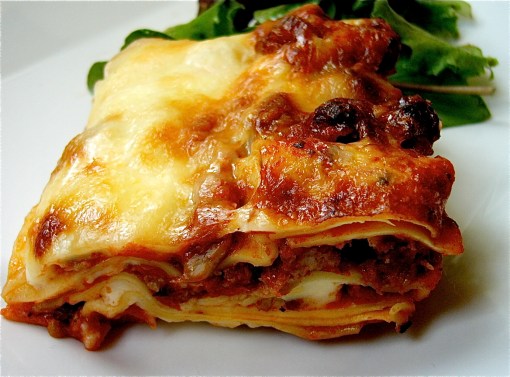
Sausage and Mushroom Lasagna with a green salad


Jamie Kennedy Wine Bar

9 01 2009

istock_000006170852xsmall

I don’t typically do restaurant reviews here at The Seasonal Gourmet, aside from occasionally discussing restaurants I’ve tried in my travels.  Reviewing restaurants isn’t my area of expertise and there are other great websites dedicated to providing reviews. However, I feel that a recent meal I enjoyed should be discussed as a great example of seasonal eating at its best.

As everyone knows, winter seasonal eating in northern climates is not without its challenges.   It’s been a long time since the farmer’s markets of summer and we have a while to go before the first crops of spring.  Jamie Kennedy is a renowned chef who owns a number of restaurants in Toronto and was an early champion of local, seasonal eating in Ontario.  My favourite of his restaurants is the Wine Bar, located on Church Street downtown.  It’s casual and inviting with exposed brick walls, bottles of preserves on display and an open kitchen at which you can sit and watch the chefs in action.  The menu is composed of dishes made from local, seasonal ingredients and served as small portions for sharing.  I like this style of eating (it’s similar to Spanish tapas) because it allows you to try a number of different things.  The menu changes daily and wine pairings are suggested for each course. 

I’ve visited JKWB (Jamie Kennedy Wine Bar) many times and I always come away both satisfied and inspired.  It’s not fancy food – many of the dishes are rustic preparations such as braises and his most famous dish is french fries – but I always find something on the menu that interests me as a cook and recipe developer.  A recent meal was no exception.  


Celery Root

Celery Root


We started with a plate of house made flatbreads with three kinds of dips: Leek with White Bean, Parsnip-Maple and Celery Root.  All were delicious but my favourite was the celery root – it was creamy with a hint of celery flavour.  We then moved on to a bowl of Cabbage and Parsnip Soup.  While this sounds like something eaten by orphans in a Dickens novel, it was actually a rich, creamy, complex soup that was a little different from winter soups offered in most restaurants.  I look forward to trying my own rendition of it.  


Parsnips

Parsnips


After a great start, we continued with more hearty dishes (bear in mind the portions are small and each dish was shared!). Seared Scallops with Braised Leeks and Smoked Pork Shoulder arrived perfectly cooked, followed by a Braised Beef Cheek with Roast Potatoes that was meltingly tender with a hint of rosemary.   The final main dish was Duck Confit with Buttered Turnip.  Again, it sounds boring but the turnip was almost sweet and paired well with the crisp skinned duck.   To finish the meal, we tried the Sticky Toffee Pudding with Chantilly.  The moist cake with toffee sauce and cream may have been the highlight of the meal.

Other tempting items on the menu that we didn’t try included Grilled Albacore Tuna with Beets and Mustard Vinaigrette, Entrecote of Beef with Northern Woods Mushrooms and Local Organic Fries as Braised Beef Poutine.  All of the dishes used seasonal vegetables and local purveyors where possible.  The result was innovative and most importantly, delicious.

And that, my friends, is how you can eat well with the season in the heart of a Canadian winter.

  • Jamie Kennedy Wine Bar
  • 9 Church Street, Toronto, Ontario
  • 416-362-1957
  • Wine Bar Chef: Dan DeMatteis
  • Pastry Chef: Rachelle Cadwell
  • Executive Chef: Jamie Kennedy


Mulled Cranberry Wine (and a Christmas rhyme!)

24 12 2008

istock_000004350942xsmall


Mulled Cranberry Wine

Makes 4 cups / 1 litre

You’ll need:

  • 750-ml bottle red wine (3 cups)
  • 2 Tablespoons sugar
  • 1 spice packet
  • 1 cup cranberry juice
  • Rind from a small orange or tangerine, cut into strips
  • For garnish: orange or tangerine slices and cinnamon sticks

Can be served warm or chilled, like a spiced sangria.  You can add a splash of club soda if serving as a sangria.


‘Tis the night before Christmas at The Seasonal Gourmet

The weather is frightful and the snow’s here to stay


What could be better to chase off the cold

Than a cup of mulled wine, with flavours so bold


In a large stockpot on medium high

Heat up a bottle of your favourite red wine


Pour in the cranberry, only a cup

And heat the whole mixture until it warms up


Toss in the spice pack and spoonfuls of sweet

And continue to simmer on medium heat


Add in the peel, from an orange rind

Or from a tangerine – whatever you find


Garnish your glass with an orange slice

And serve the drinks hot or chilled over ice


Have a wonderful Christmas and Happy New Year

And enjoy lots of good food and holiday cheer!

istock_000007697369xsmall-1


Bon Appétit and Happy Holidays!

Trish


Welcome to Winter!

22 12 2008

p1010896

Today is the first day of winter, which is the shortest day of the year.  There have also been snowstorms across North America this weekend so it really looks like winter in a lot of places.  For seasonal eaters in the north, winter certainly has its challenges but it also has a lot of good points.  Cozy dinners by the fire, hearty and rustic meals, hot chocolate and braises are just a few of the things we can enjoy in the coming months.  So check back often as I explore what we can do with seasonal ingredients this winter.  And before you know it, it will be spring again!

I’d also like to extend seasons greetings to my Jewish friends as you celebrate the first night of Hanukkah.  

p1010882_2

Bon Appétit and Happy Holidays to everyone!

Trish


Braised Short Ribs

11 12 2008

istock_000006104329xsmall

Braising is the perfect cooking method for cold winter days.  It’s a technique that involves searing meat in oil, adding a small amount of liquid and cooking in a covered vessel at a lower temperature for a long period of time.  Tough cuts of meat become tender and juicy and a rich sauce develops.  Although preparing a slow cooked braise requires some planning ahead and prep work, once it’s in the oven you can sit back and relax for a few hours.  This dish is ideal for entertaining because it tastes even better the next day.  Just reheat and serve with your favourite side dishes.

This recipe has been adapted from the short rib recipe at Balthazar restaurant in New York City.  It’s a French brasserie serving up such classics as steak frites and mussels.  The ribs pair well with mashed potatoes and sautéed winter greens such as swiss chard.

The secret to success with this dish is to use the meatiest short ribs you can find.  If you can’t find ones that are large and marbled with fat, increase the number of ribs used and reduce the cooking time slightly.  The recipe makes enough for 4 but it can easily be doubled.  Plus, it’s so delicious, you’ll probably want to have some leftovers to enjoy!

Some great side dishes that pair well with the ribs:

Try to find large meaty short ribs for this dish

Try to find large meaty short ribs for this dish

Braised Short Ribs

Makes 4 servings – can easily be doubled

  • 2-1/2 lbs. (about 1 kg) beef shortribs – about 2 to 3 large meaty ribs
  • Salt and pepper
  • 2 Tablespoons neutral oil such as canola or safflower
  • 1 stalk celery, diced
  • 3 carrots, diced
  • 1 onion, chopped
  • 3 shallots, chopped
  • 3 large garlic cloves, chopped
  • 2 Tablespoons tomato paste
  • 2 Tablespoons flour
  • 1/2 cup port
  • 2 cups red wine
  • 2 sprigs fresh rosemary
  • 8 sprigs fresh thyme
  • 3 cups beef stock
  1. Preheat oven to 325 degrees Fahrenheit.   Cut each long rib in half and season with salt and fresh ground pepper.
  2. In an enameled cast iron pot, heat oil on medium heat.  Add the ribs to the pot and brown on all sides.  Once browned, remove from pot and set aside.
  3. Add carrots, onion, shallot, celery and garlic to the pot and sauté until softened and golden brown, about 7 minutes. Stir often to prevent burning.
  4. Stir tomato paste into vegetable mix.  Add flour and stir to combine.  Cook for another 2 minutes.
  5. Add wine, port and herbs.  Turn heat to medium-high and simmer for about 10 minutes, until mixture begins to reduce.  Stir occasionally to prevent sticking and burning.
  6. Add stock and return ribs to pot.  Cover tightly and put in the oven.  Cook for 3 hours, checking on them each hour to ensure nothing is burning at the bottom of the pot.  The meat should be very tender.
  7. Once the ribs are done, use tongs to remove the ribs from the sauce.  Place meat in a bowl and set aside.  With a mesh strainer or cheesecloth-lined colander, strain sauce into a saucepan, pressing on solids to extract all liquid.  Discard solids.
  8. Bring strained sauce to a boil and reduce for about 10 minutes.  Pour sauce over ribs and serve.
Braised short ribs with mashed potatoes and a rosemary sprig garnish

Braised short ribs with mashed potatoes and a rosemary sprig garnish

Bon Appétit and Enjoy!

Get updates from The Seasonal Gourmet on Facebook and Twitter.  Join the conversation today!


Swiss Chard Tart

7 12 2008

p1010832


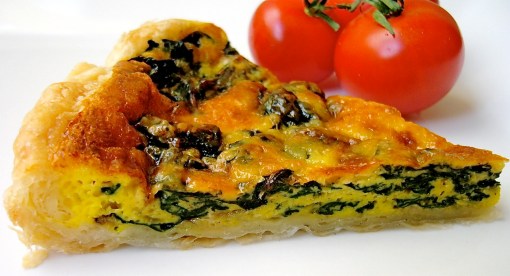
Swiss chard is a hearty, leafy green that grows well in cooler temperatures.  It’s a member of the beet family and the greens taste similar to spinach.  Chard is packed with vitamins and is a great vegetable to use as a side dish for braised meat dishes.  It appears quite frequently on menus in the Provence area of France, where it is known as blette.  I recently prepared a Provençal-inspired menu and developed this tart as the first course.  It could be prepared as small individual servings or as one large tart.   It also makes a great breakfast dish, served with fresh fruit and pastries.


The Provencal countryside

The Provencal countryside

Swiss chard can be found at most supermarkets at this time of year.  If you can’t find regular chard (with white stems), you can use red swiss chard which has bright red stems and veins (see photo above).   I was only able to find red chard recently and was worried that it would turn the tart pink.  However, if you trim the stems and remove the large ribs, it works out fine.  If you can’t find chard, substitute fresh spinach.

For the best presentation, use a tart pan with a removable bottom (which are also available in smaller sizes for individual servings).  However, if you don’t have a tart pan, use a regular pie plate.

Swiss Chard Tart (Tourte de Blettes)

Makes one 9″ tart

(VEGETARIAN)

  • 1/2 packaged frozen puff pastry, thawed
  • 1 bunch swiss chard or red swiss chard, stems trimmed and thick ribs cut out
  • 1 Tablespoon unsalted butter
  • 1 shallot, minced
  • 1 clove garlic, chopped
  • 1/8 teaspoon grated nutmeg
  • 2 eggs
  • 1/2 cup whipping cream
  • 1/2 cup freshly grated parmesan cheese
  • Salt and pepper, to taste
  1. Preheat oven to 425 degrees Fahrenheit.
  2. Roll puff pastry out to fit a 9″ tart pan or pie plate.  Place pastry into pan and crimp edges.  Set aside until ready to use.
  3. In a medium skillet, heat butter until melted.  Add shallot and garlic and sauté on medium heat until tender and translucent, approximately 3 minutes.  Add swiss chard.
  4. Sauté swiss chard until leaves are wilted and tender, approximately 7 minutes.  Add nutmeg and season with salt and pepper.  Remove from heat and let chard cool for a few minutes.
  5. In a measuring cup, add eggs and whipping cream and stir with a fork until well combined.
  6. Spread sautéed swiss chard over the bottom of the uncooked pastry crust, making sure it’s evenly distributed.  Pour egg/cream mixture over chard.  Top with grated parmesan.
  7. Bake for 25 to 35 minutes or until the pastry is puffed and browned along the edges and the top of the tart is golden.  Cut into slices and serve.

Bon Appétit and Enjoy!


p1010852


Seasonal Eating Through the Winter

2 12 2008

p1010773

It’s early December and we’ve already had our first snowfall in Southern Ontario.  The abundant farmer’s markets of last summer seem like a distant memory and spring is a long time away.  So what are those of us in northern climates going to do for the next 6 months if we’re interested in eating a seasonal diet?   Survive on a diet of meat and stored root vegetables?

Not to worry!  There are plenty of options for seasonal eaters in the north that don’t require eating potatoes and turnips at every meal.   Nor do we have to rely solely on imported fruit and vegetables.  It’s possible to strike a balance and eat meals that capture the essence of the season while still eating as local and fresh as we can. Here are some ideas:

Canned and Frozen Products

Previous generations planned for winter well in advance by preserving and freezing fruits and vegetables at their summer peak.  Jars of tomatoes, fruit, pickles and jams were put into cold storage for the winter. In 2008 many people don’t have the time or storage space to undertake such a project but there are a lot of decent options available at grocery stores and markets.  Canned tomatoes are an excellent substitute for fresh in soups, stews and sauces.  I try to find ones that are prepared relatively close by – Ontario Natural Food Co-op, for example, sells certified organic tomatoes grown locally.  I avoid canned peas, green beans and carrots however, as they just don’t have a very appealing taste or texture.  Canned legumes (such as kidney beans, cannelinis and chickpeas) are another good option for quick meals.  White Bean Dip with Fresh Herbs is a great example of a recipe you can make with canned beans.

Canned tomatoes are a decent alternative to fresh for winter sauces

Canned tomatoes are a decent alternative to fresh for winter sauces


Likewise, frozen fruit and vegetables provide a way to enjoy the tastes of summer (and unlike canned, frozen baby peas are usually fairly decent).  Frozen blueberries are great for muffins, pancakes or coffee cake while frozen strawberries and raspberries can be turned into a sauce or quick jam in no time.  I also like the ease of frozen spinach when fresh isn’t available.

Greenhouse Produce

Green, red and yellow peppers, herbs  (if you have an indoor herb pot, that’s even better), tomatoes, celery, mushrooms, arugula and salad greens are just some of the things grown in local greenhouses. As a rule I avoid most types of greenhouse tomatoes because they have no real flavour, however, Sunset Campari brand tomatoes are quite good.  Another option is to roast greenhouse plum tomatoes to bring out their flavour  – see Slow Roasted Tomatoes for a great recipe. 

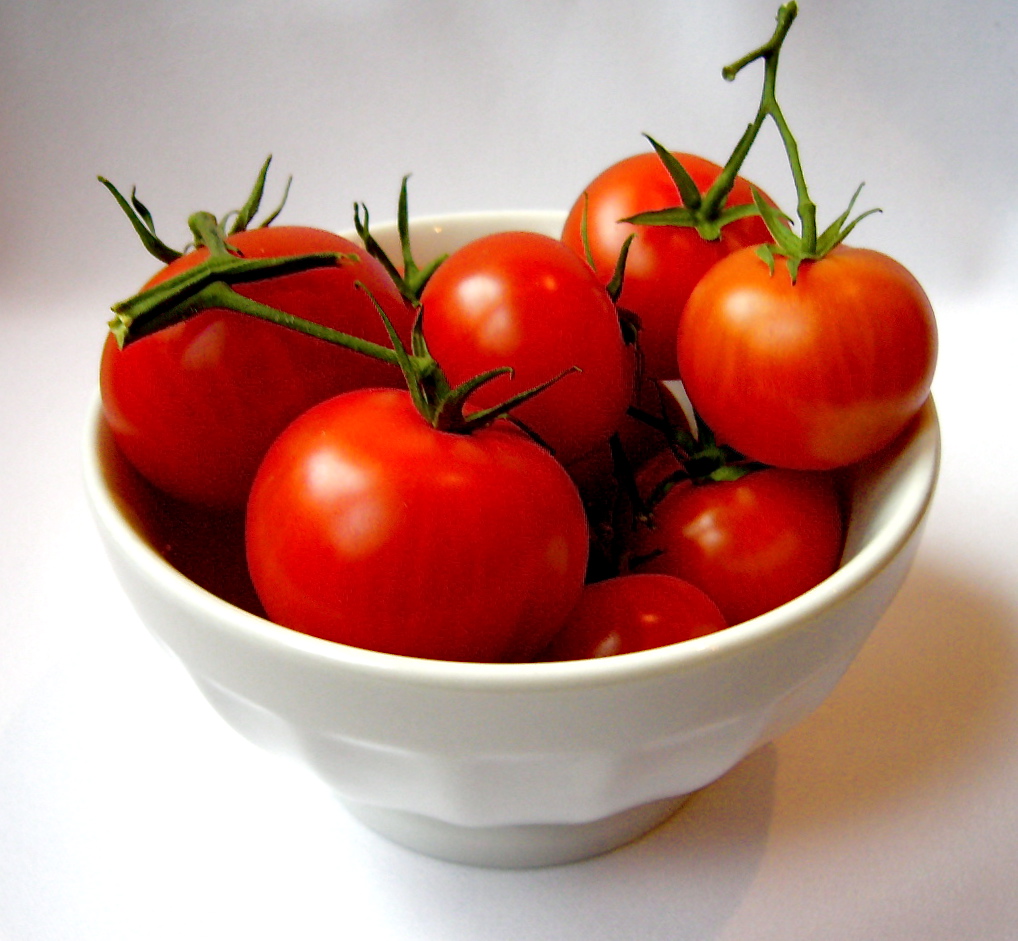
Sunset Campari tomatoes are greenhouse grown but are sweet and juicy

Sunset Campari tomatoes are greenhouse grown but still taste sweet and juicy


Making the Best of Long-Storing Fruits and Vegetables

Vegetables such as pumpkin, squash, turnip, carrots, beets, celery root, parsnips, potatoes, apples and onions are typically available during the winter because they can be stored for long periods of time.  So make the best of them!  With a little creativity, there is a lot you can do with these great vegetables. Check out my recipes for an Apple Caramel Tart, Butternut Squash Gratin and Peppery Potato and Leek Soup.  A quick internet search will yield thousands of other suggestions and recipes. I’ll also be posting more ideas in the weeks to come as I experiment with winter produce.


Potatoes are a winter staple and extremely versatile

Potatoes are an extremely versatile winter staple

Cooking techniques can also help the home cook get the most out of seasonal products.  Techniques such as braising and slow cooking are great for cold nights and can turn a simple ‘meat and potatoes’ dinner into a rustic masterpiece.  You can check out ‘Williams Sonoma Slow Cooking Essentials’ from My Reading List for some great slow cooking tips and recipes and I’ll be posting some braising recipes in the near future.  Stews and soups such as are also ideal for cold weather cooking and make perfect comfort food for long winter evenings.  See my recipe for Chicken Noodle Soup for a quick and easy example.

Dry Pantry

Pantry staples such as dried lentils, beans, polenta, rice, barley, dried pasta, dried fruit and berries, nuts can be turned into great hearty dishes that are also budget-friendly.  Bucatini All’Amatriciana, homemade Gnocchi (serve with tomato sauce instead of fresh pesto), and White Bean Dip with Fresh Herbs are a few examples of recipes that can be made with pantry items.  Over the winter I’ll be working on some recipes for creamy risottos, polenta and some lentil and bean dishes so stay tuned.


An assortment of dried legumes

An assortment of dried legumes


Other Fun Options

Fondue or Raclette with local cheeses, homemade pizzas and chili are fun options for winter cooking, especially if you’re feeding a crowd.  You can usually buy pizza dough at pizzerias or bakeries (or make your own, of course) and have everyone top them with their favourite seasonal ingredients such as mushrooms, leeks, rapini, caramelized onions and sausage.  A staple of dinner parties in the 1970s, fondue is making a comeback.  After a day on the slopes or at the rink, gather some friends by the fire and dip bread cubes and blanched vegetables into a mix of your favourite local cheeses.  And don’t forget about chili – a big pot is the perfect meal for après-ski or while watching football.  It can be made in advance and feeds a crowd.  There are also a lot of vegetarian versions so all guests can enjoy the fun.


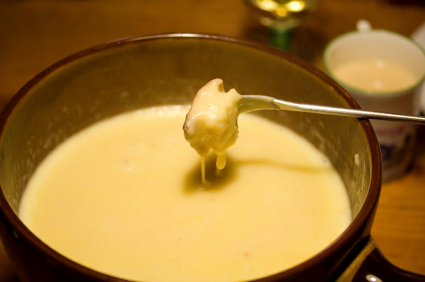
Fondue made with local cheese is a fun option for winter entertaining

Fondue made with local cheese is a fun option for winter entertaining

Relax

Even the most stringent locavores (people who eat only locally grown products) sometimes buy imported items.  However, during the winter I still try to keep my imported purchases seasonally appropriate, opting for vegetables such as swiss chard, beets, leeks, fennel, etc. and saving the asparagus and peaches for summer when I can get them close to home at their very best.

So the best advice is to make the most of the season and enjoy what we do have. Cozy dinners by the fire after a day of skiing, bold red wines, iced wines and ciders, mugs of hot chocolate following an afternoon of skating, hearty soups and stews and roasted vegetables are just a few of the things we can celebrate now. And before you know it, it will be summer again!


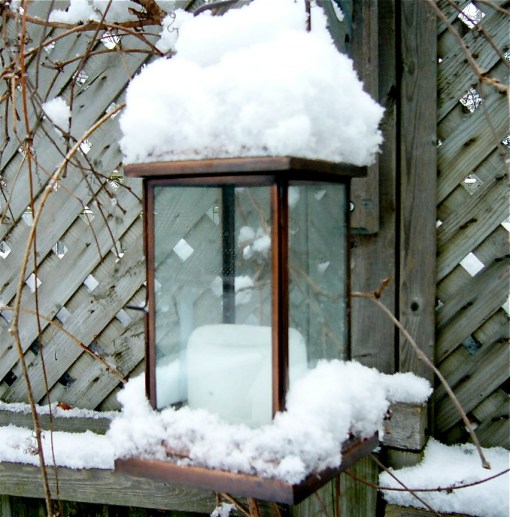
Waiting for summer...

Waiting for summer...

Happy Winter Eating!

Ciao,

Trish