Farmer’s Market Report – July 8th, 2010

8 07 2010

Zucchini blossoms are a rare and delicious summer treat.

Welcome to my first Farmer’s Market Report for Summer 2010!  The markets are at their peak for the next couple of months and this week’s offerings did not disappoint.  In fact, growing conditions in Southern Ontario have been so good this year, there were a few surprises.  Here is a rundown of some of this week’s highlights:

Corn

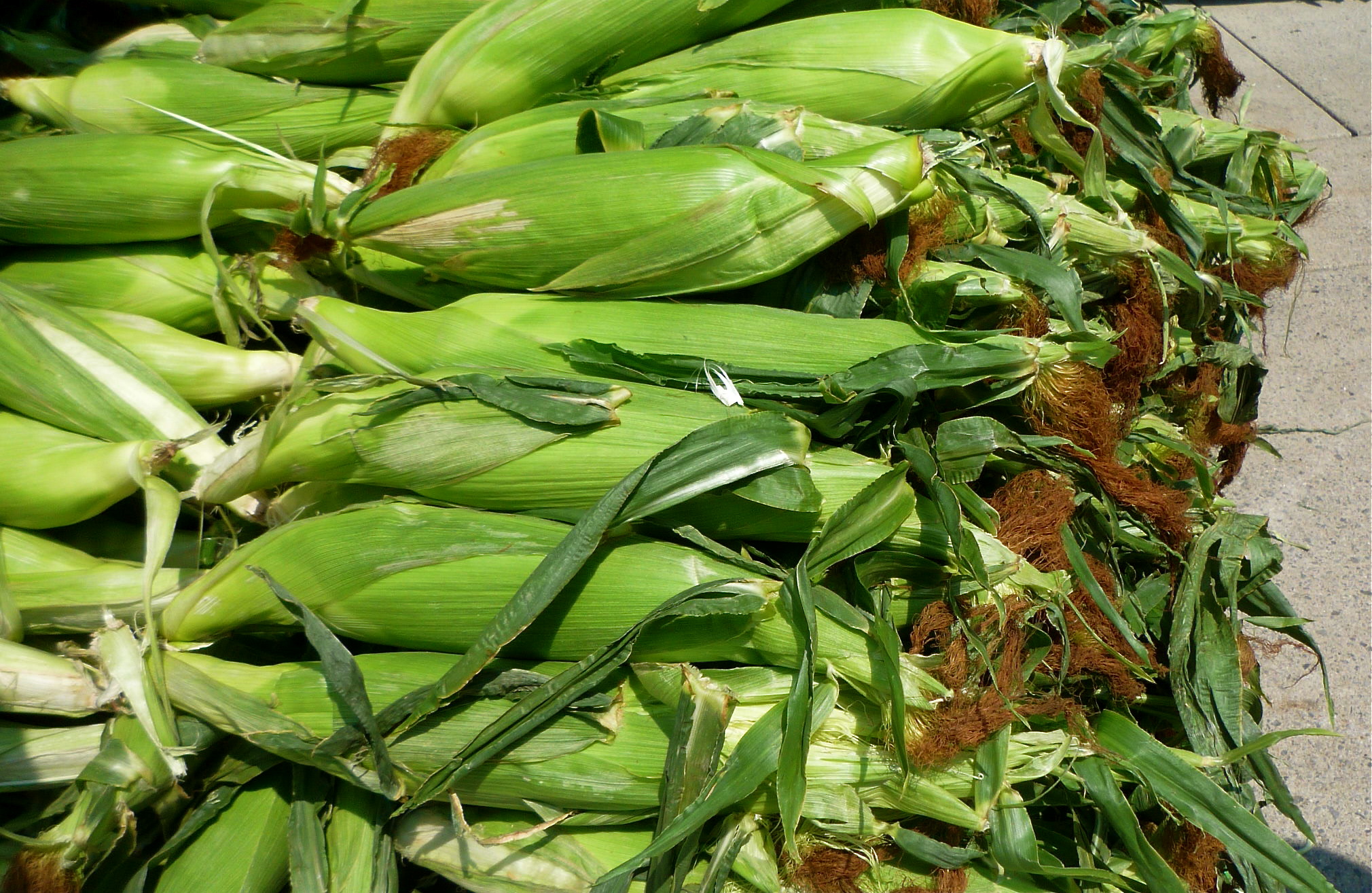
Corn has arrived at Ontario markets earlier than usual this year.

I was a bit stunned to see the first local corn at the markets already.  Speaking with some farmers, I learned that’s about two weeks earlier than normal this year.  I bought six ears to experiment with, crossing my fingers the quality was going to be decent. The ears were on the small side but the kernels were very tender.  It wasn’t as flavourful as I’d hoped but because it’s so early, I’m sure later harvests will be sweeter. My favourite way to eat corn is boiled, rolled in butter and then topped with salt and pepper. However, if you’re looking for something more elegant, try my recipe for Corn with Red Pepper and Herbs.

Peaches

Like corn, peaches are also early this year.  I didn’t buy any this week but we’ve been having a heat wave so hopefully that bodes well for upcoming weeks (peaches love hot, dry weather).  Peach Tiramisu is an elegant, no-bake dessert that showcases fresh peaches beautifully.

Apricots

Apricots were abundant at this week's market.

I often find raw apricots kind of bland with a bit of a mealy texture but the ones I bought today were pretty tasty.  They had a nice sweet-tartness to them so I ate a few out of hand.  I chose ones on the smaller side but the farmers were selling larger ones as well.  Apricots are ideal for both sweet and savoury recipes; why not make some Spicy Apricot Glazed Grilled Shrimp?

Herbs

Fresh herbs were in abundance this week including basil, mint and dill.  I keep an herb pot during the summer for day-to-day herbs but if I decide to do any large batch pickling or pesto, I’ll head to the farmer’s market to buy large amounts at a good price. To make use of summer herbs, check out my recipes for Pesto Sauce and White Bean Dip with Fresh Herbs.

Summer Squash

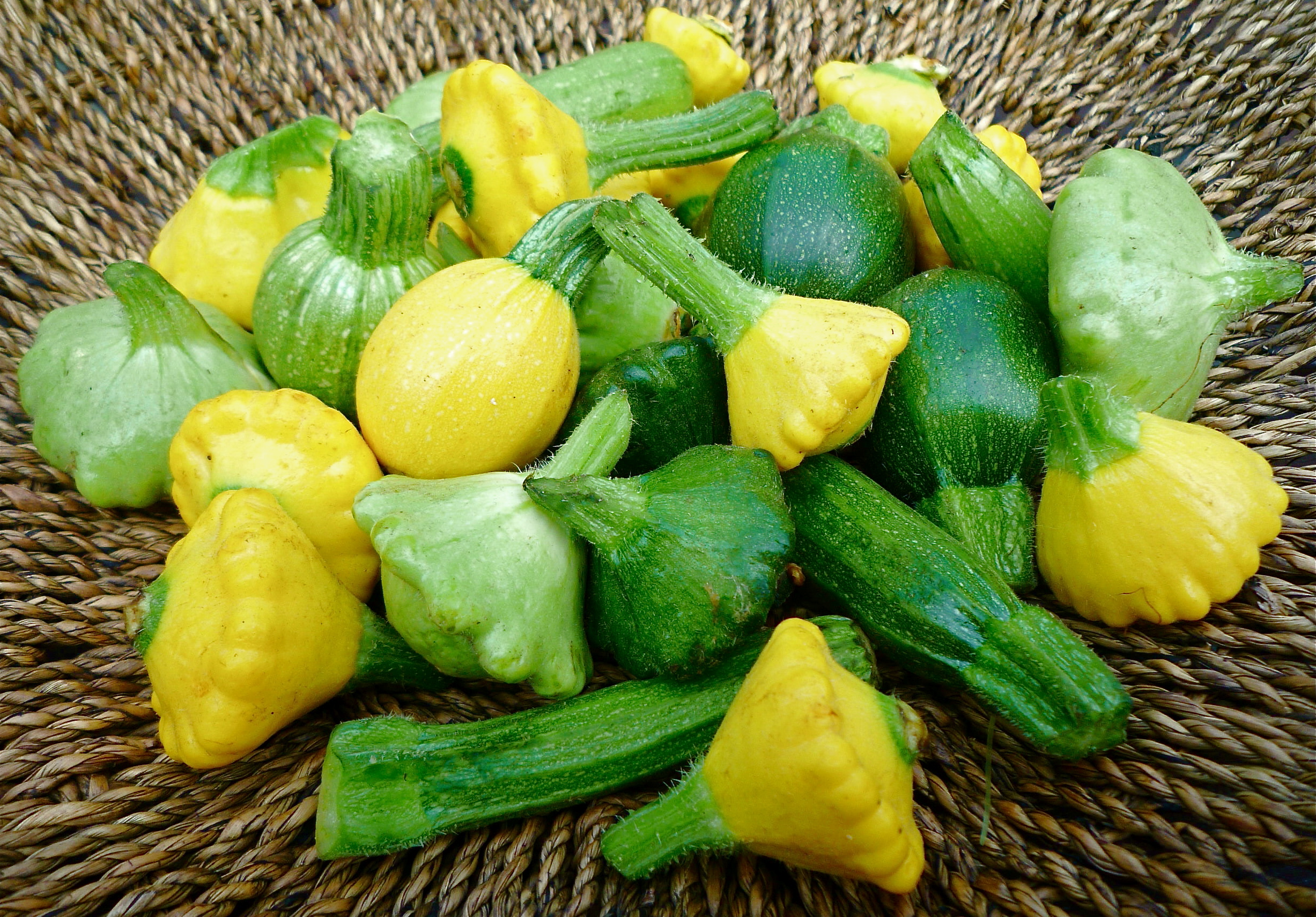
Pattypan squash and baby zucchini.

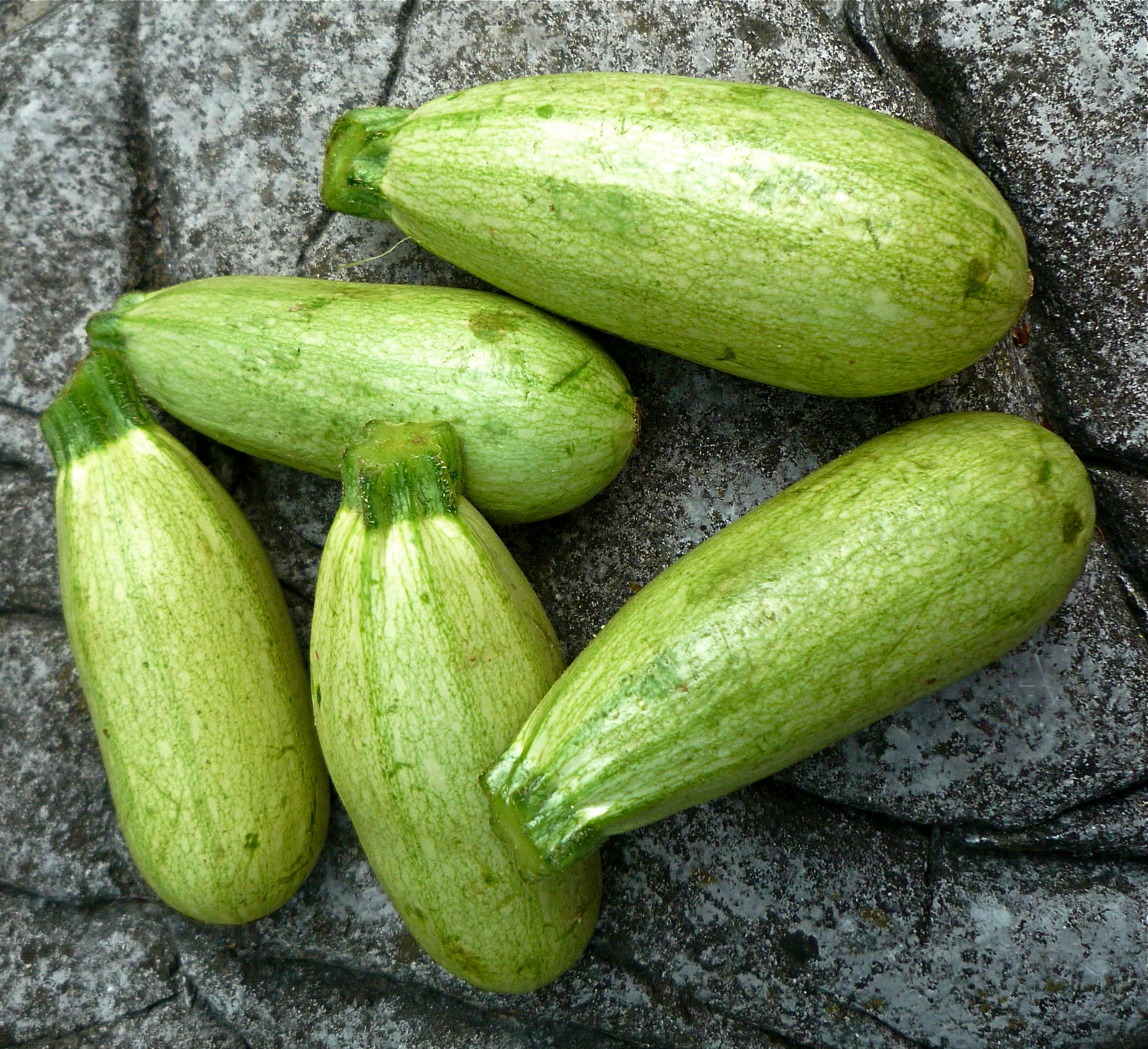
I have a feeling that zucchini are going to take over many gardens this summer, judging by the number and size of them at this week’s market.  Many of the yellow and green zucchini on display were already getting a little big for my taste (smaller ones tend to be less watery and are better for most recipes).  Pattypan squash were also abundant this week. You can make the most of summer squash by making Zucchini Pie with Fresh Basil or a moist Zucchini Bread with Cream Cheese Frosting.  I was also excited to find zucchini blossoms at a local grocer this week.  They are fragile and rare but will occasionally turn up at local markets.  To use them, try my recipes for Stuffed Zucchini Blossoms.

I discovered another summer squash this week that I was not familiar with: vegetable marrow (see photo below).  I asked the farmer about them and learned that they are very similar to zucchini and are often stuffed with a ground meat mixture.  It seems to be a popular vegetable in England.  You can find a recipe for stuffed vegetable marrow here: Recipe for Stuffed Marrow with Sausage Meat.

Vegetable marrow are similar to zucchini and are delicious stuffed.

Cucumbers

My husband loves cucumbers and often eats sliced cukes with a dash of salt and pepper as a snack.  They also add a fresh note to sandwiches and salads.  A crisp Asian Summer Slaw makes a great no-cook dinner.  Some of the stalls were selling dill alongside baby cucumbers – one-stop shopping for pickle makers.  Pick up some smoked salmon to make a Smoked Salmon and Cucumber Salad that is accented with fresh dill.

Cherries

Both sweet and sour Ontario cherries were abundant this week.  While sweet cherries are imported from the U.S. each spring, sour ones are harder to find.  My grandmother had a sour cherry tree in her yard so they were the only kind we ever had when I was growing up.  They’re not very good raw but once cooked and sweetened, they have a tartness that is addictive.  For a classic sour cherry pie recipe, check out this one from Epicurious.com: Classic Sour Cherry Pie with Lattice Crust.  If you have sweet cherries, why not make a Cherry Clafouti with Almonds or a simple Cherry Almond Bread?

Asparagus

I was told that this is probably the last week for asparagus this year.  Usually by the end of the season, asparagus is starting to look tired but not this year.  The stalks were thick, robust and vibrant.  This was an exceptional year for asparagus and I enjoyed it in a variety of dishes.  Check out the Asparagus Archives for some delicious ideas ranging from Sesame Noodles with Asparagus and Mushrooms to a rich and decadent Roasted Asparagus Lasagna.

Until next week,

Bon Appétit and Enjoy!


Caprese Salad

19 08 2008

Caprese Salad (Insalata Caprese in Italian) is a classic summer salad that is very simple to put together.  The key to success with this salad is to use the very best ingredients you possibly can.  When you use tomatoes at their peak, good quality mozzarella and olive oil and fresh picked basil, it’s truly a special dish. However, if you use sub-par ingredients and poor quality tomatoes, it can be pretty mundane.  Save it for summertime – it just won’t be the same with January’s tomatoes!

This is not really even a recipe, just some guidelines on what to use for the best result.  I have shown some suggestions on how to compose your salad: stacked, as a chopped salad, layered on a platter or as stuffed tomatoes.  You could also toss the ingredients with pasta or layer them in a baguette for a refreshing summer sandwich.

Insalata Caprese 101

(VEGETARIAN)

Ingredients:

  • Ripe tomatoes, in the prime of their season.  Any type of tomato that is top quality will do – heirlooms are good, as are plum tomatoes, cherry tomatoes and cocktail tomatoes.
Tomatoes

Tomatoes

  • Fresh mozzarella – Buffalo mozzarella is preferable but cow will also work.  The best kinds can usually be found at a good cheese counter or shop and are kept in liquid.  Ask your cheesemonger for recommendations.  Avoid pre-packaged block mozzarella from the supermarket as it does not have the same flavour or texture.
  • Fresh Mozzarella Balls

  • Extra virgin olive oil – A decent olive oil is essential.  I typically use ones from Tuscany or Spain.


Extra Virgin Olive Oil

Extra Virgin Olive Oil


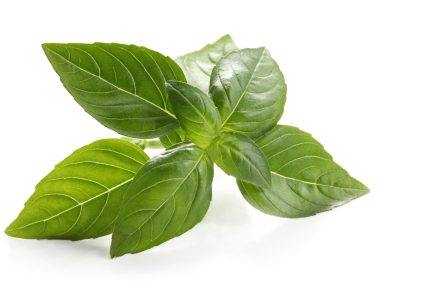
  • Fresh Basil.  The fresher the better, preferably from your own herb garden.  Don’t even think about using dried basil from a jar!
Fresh Basil

Fresh Basil


  • Sea Salt.  This adds the finishing touch and a salty crunch to your salad.
Sea Salt

Sea Salt


Putting it All Together

Now that you’ve assembled your ingredients, you can compose you salad however you choose.   Typically the tomatoes, basil and cheese are layered and then sprinkled with salt and drizzled with olive oil.  How you assemble your salad may depend upon the occasion:

Stacked

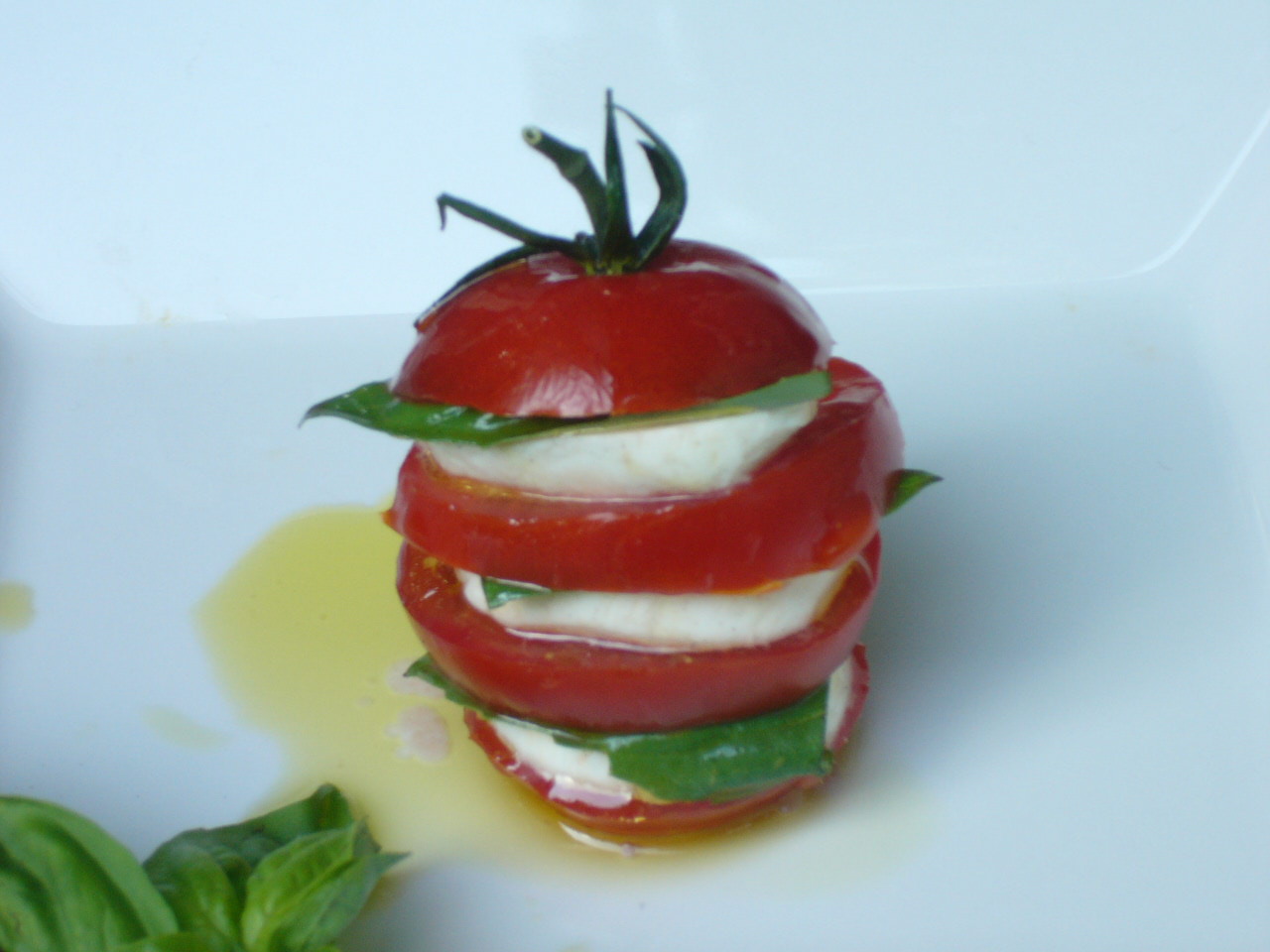
This is an impressive presentation for an elegant first course at a dinner party.  Slice a tomato into rounds, leaving the ‘lid’ in tact.  Slice a very thin sliver off the bottom piece so the tomato will sit upright without rolling over.  Layer a slice of tomato, a slice of mozzarella, a basil leaf and repeat for all tomato slices. Drizzle with olive oil and sprinkle with sea salt.

'Stacked' Caprese Salad

'Stacked' Caprese Salad


Chopped

This is the quickest way to put together a caprese salad and is excellent for family style dinners.  Cut up tomatoes and mozzarella into chunks, chop up some basil leaf (see primer on How to chop herbs ) and drizzle with olive oil.  Sprinkle with sea salt and toss everything together in a large bowl.  Garnish with a basil leaf.

'Chopped' Caprese Salad

'Chopped' Caprese Salad


Layered 

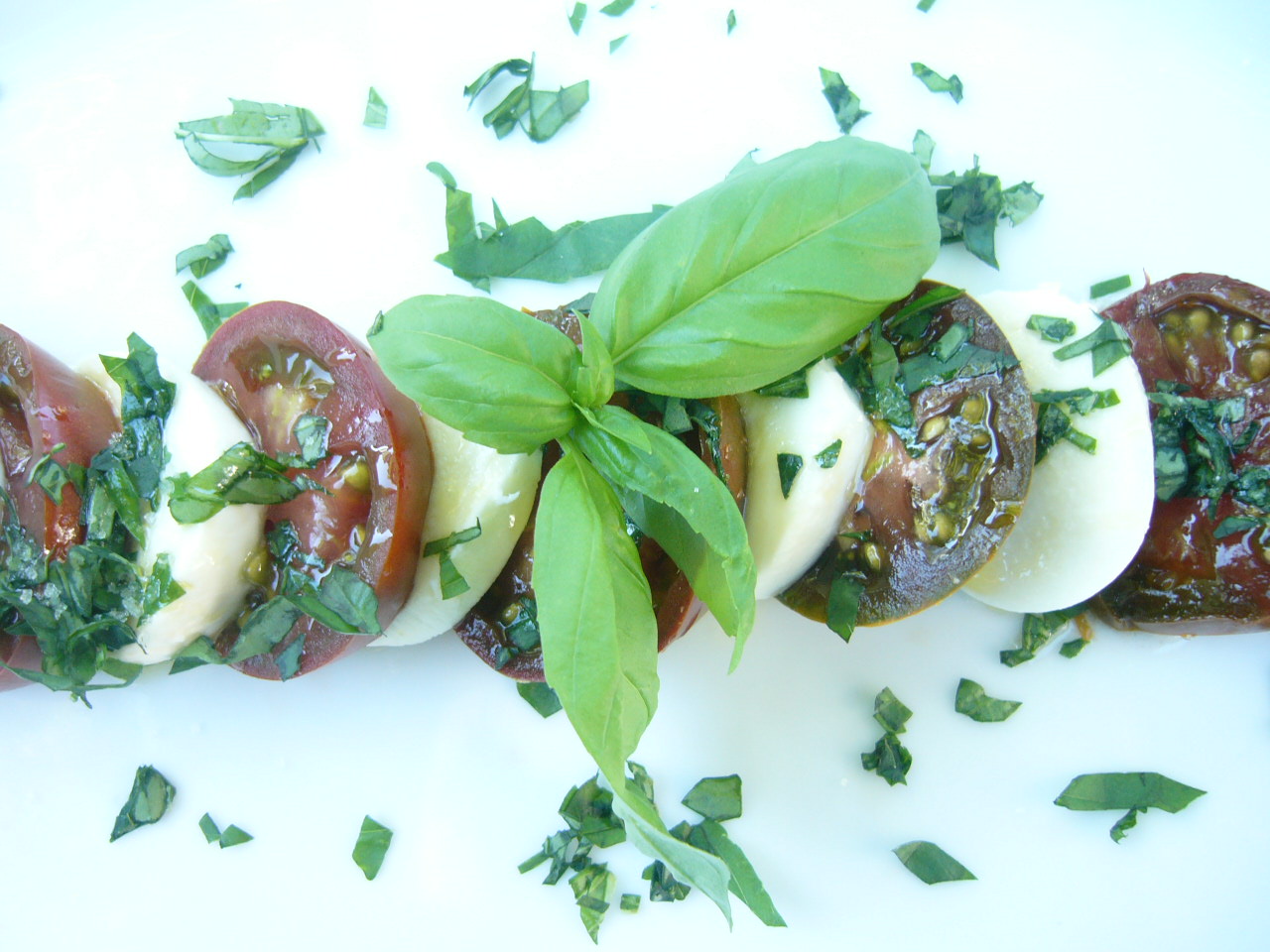
This is another good way to present the salad for buffet or family style dining.  Layer slices of tomato with the cheese and basil slivers.  Drizzle with olive oil and sprinkle with salt.  Garnish with a basil leaf.

"Layered" Caprese Salad (made with heirloom tomatoes - they look green but are actually ripe)

'Layered' Caprese Salad (made with heirloom tomatoes - they look green but are actually ripe)


Stuffed

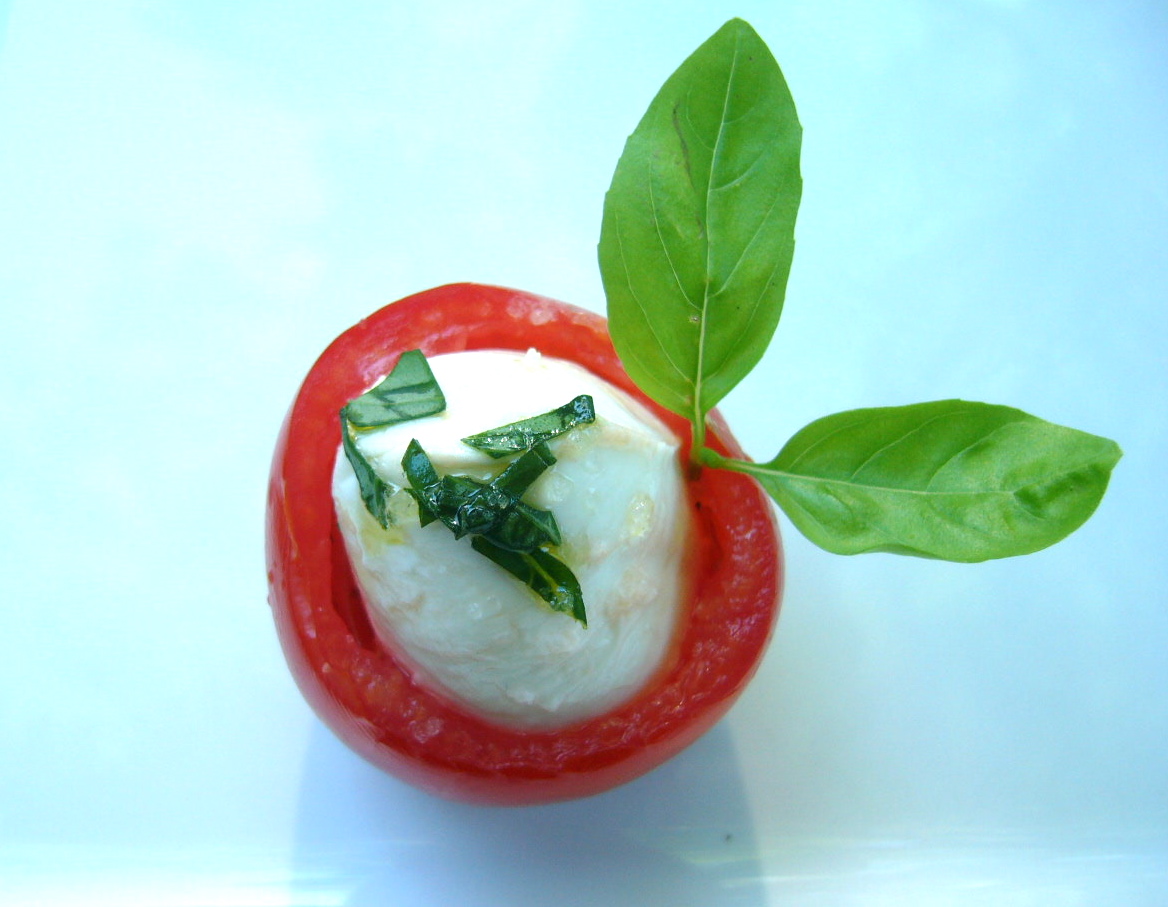
For cocktail parties, stuffing the tomato with the cheese and basil makes the perfect one-bite finger food.  Cut the top 1/4 off the top of a small cocktail or grape tomato.  Scoop the seeds and pulp out from inside and discard. Cut the mozzarella into small chunks and wrap each piece in basil leaf.  Stuff the mozzarella into the hollowed out tomato.  Drizzle stuffed tomatoes with oil and sprinkle with salt.

"Stuffed" Caprese Salad

'Stuffed' Caprese Salad


Bon Appetit and Enjoy!


Corn and Tomato Salad with Basil Vinaigrette

7 08 2008


Corn is one of my favourite vegetables.  The season for fresh corn is very brief in Canada so during the few weeks it’s available, I eat it as often as I can.  Simply roasted or boiled corn on the cob with butter, salt and pepper is a classic but it’s also wonderfully versatile as an ingredient in salads, pasta sauces or soups.  I developed this recipe as a way to showcase a few summer ingredients that we can only get for a short time so enjoy it while you can!   It’s also an excellent way to use up any leftover cooked corn (if there ever is such a thing – which is not too often in my house!)

Corn and Tomato Salad with Basil Vinaigrette

Makes approximately 4 servings as a side dish

(Can be adapted to be VEGETARIAN)

Salad:

  • 2-1/2 cups cooked corn, cut off the cobs (approximately 4 cobs)
  • 4 rashers bacon (optional – omit for vegetarians)
  • 10 to 12 mini tomatoes (such as cocktail, cherry, grape, etc.), cut in half
  • 3 Tablespoons red onion, cut into a fine dice
  • 1/4 cup red pepper, cut into a fine dice
  • Salt and pepper, to taste
  • Fresh basil leaf, for garnish
  1. Cook bacon until crisp.  Crumble into pieces and place in a large bowl.
  2. Add tomatoes, corn, onion and red pepper to bowl.  Drizzle with basil vinaigrette (see recipe below) and toss to coat.
  3. Season with salt and pepper and garnish with a basil leaf.

Basil Vinaigrette:

  • 4 Tablespoons neutral oil (such as canola or safflower)
  • 2 teaspoons white wine vinegar
  • 1 teaspoon red wine vinegar
  • 1 Tablespoon finely chopped fresh basil (*see tip on how to chop basil)
  • 1/2 teaspoon dijon mustard
  • pinch of salt

*Tip for cutting basil leaf: Take a few large basil leaves and roll them up together very tightly, as though rolling a cigar.  With a sharp knife, cut through roll in thin strips.   Chop up strips into smaller pieces.

  1. Combine all vinaigrette ingredients in a small bowl and whisk together.  Use on corn salad or other summer salads.

Bon Appetit and Enjoy!

corn-tomato-salad


Ricotta Gnocchi with Basil Pesto

29 06 2008

Gnocchi w pesto

For years I could not figure out the appeal of gnocchi.  The small Italian dumplings can easily be found on restaurant menus and at the supermarket but the few times I dared try it, I found it heavy and gummy so I typically avoided ordering it.  Then one day I ordered a small bowl as a primi at an Italian resto and realized how good it can be.  The light, airy dumplings were bathed in a fresh tomato sauce – it was a revelation.  I did some research and discovered that gnocchi are actually very easy to make.   They are most often made with potato, however, I make a version with ricotta cheese that is very quick and simple to prepare.  It makes an impressive starter or main dish for a summer meal.  You can serve it with the fresh basil pesto that follows or top with your favourite sauce.

Ricotta Gnocchi

Serves 2 as a main dish or 3 to 4 as a starter (primi) course

(VEGETARIAN)

  • 1 cup ricotta cheese
  • 1 to 2 cups unbleached all-purpose flour, plus additional for flouring countertop (amount of flour needed will depend on how wet your ricotta is)
  • 1 egg
  • 1/2 teaspoon salt
  • 2 Tablespoons olive oil
  1. In a large mixing bowl, combine ricotta, 1 cup flour, salt and egg.  Mix until combined.
  2. Check texture of the dough.  If it is sticky and wet, add additional flour 1/4 cup at a time.  Mix into dough and re-check.  Continue adding flour a little at a time until you reach the desired consistency. Dough should be moist and pliable but not sticky.
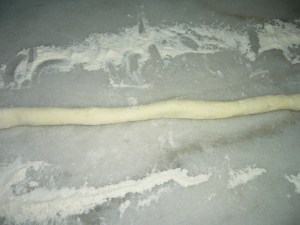
  3. Once the dough is the correct consistency, sprinkle about 1/4 cup flour onto a clean countertop.  Scoop out about 1/4 cup of dough onto counter and roll it into a long ‘snake’, about 1/2″ in diameter.  Like this:
  4. Flatten the dough slightly with a fork, leaving groove marks in the dough.  Cut into pieces approximately 1″ long.  Set gnocchi aside on a plate.  Repeat the process with the remainder of the dough.
  5. Fill a large stock pot with water and add 1 Tablespoon of salt.  Bring to a boil.  Add gnocchi and cook until the dumplings float to the surface, approximately 1 to 2 minutes. 
  6. Drain cooked gnocchi into a colander and run under cold water to stop them from cooking further.  (If you are not serving the gnocchi immediately,  you can toss them with a tablespoon of olive oil and refrigerate until ready to proceed with the next step).
  7. Heat 2 Tablespoons olive oil in a large skillet.  Add gnocchi and saute until browned on one side.  Turn them over and brown the other side.  Remove from pan and toss with your favourite sauce (see suggestion below).

Fresh Basil Pesto

Pesto originated in the city of Genoa, Italy.  Traditionally, it is made with pine nuts, however I tend to prefer it without the nuts.  You can always throw in a tablespoon of toasted pine nuts if you’d prefer. 

(VEGETARIAN)

  • 1 cup (packed) fresh basil leaves, stems removed
  • 4 Tablespoons olive oil
  • 1 clove garlic, roughly chopped
  • salt, to taste
  • 1/4 cup freshly grated parmesan cheese, plus additional for grating on top
  1. In a food processor*, add all ingredients and pulse until combined and a thick sauce forms.  Toss with your favourite gnocchi or pasta and grate additional parmesan on top. 

*If you do not have a food processor, you can use the traditional method of mashing the ingredients with a mortar and pestle.  I usually use a Cuisinart hand blender with the ‘processor’ cup attachement instead of a full sized food processor. 

Bon Appetit & Enjoy!