Sausage and Mushroom Lasagna

11 01 2009
p1020091_2_21

Grey winter days call for classic comfort foods like lasagna


Happy New Year to everyone!  It’s been a while since I’ve posted any new recipes because of the holidays, some traveling and a pesky flu that took me out of commission briefly.  However, I’m full of ideas for 2009 and I will be focusing on interesting uses for local produce, various cooking techniques and a commitment to somewhat healthier and lighter cooking (but there will still be some decadent treats as well!)

Today’s recipe doesn’t exactly fall into the ‘light’ category.  However, it is delicious and despite the numerous steps, quite easy to pull together.  And it can be made in advance so it’s the perfect dish to serve for entertaining – you can assemble it the night before and just pop it into the oven as your guests arrive.  You can serve with a salad and light dessert such as fruit and gelato to cut the richness and create a balanced menu.  It’s the perfect comfort food for a cold winter night!

A note about lasagna noodles:  Using fresh noodles (either store-bought or homemade) makes assembling the dish easy and yields the best result.  However, if you can’t find fresh noodles, you can either use oven-ready dried noodles or regular dried lasagna noodles.  If using regular dried noodles that need to be cooked in advance, boil for only half the recommended time. There is enough moisture in the sauce to finish cooking the noodles and you will avoid overcooked, mushy noodles.

Sausage and Mushroom Lasagna

Makes 6 to 8 servings

Sausage and Mushroom Sauce:

  • 2 Tablespoons extra virgin olive oil
  • 1 medium onion, diced
  • 1 garlic clove, chopped
  • 10 medium button or cremini mushrooms, cut into 1/2″ thick slices (about 2 cups of sliced mushrooms)
  • 4 mild or sweet Italian sausages, casings removed (see Kitchen Tip of the Week for an efficient method)
  • 28 fl.oz / 796 ml can of good quality canned tomatoes
  • 1 Tablespoon fresh chopped  oregano OR 1-1/2 teaspoons dried 
  • 1/2 teaspoon red pepper flakes (or to taste)
  • 3 Tablespoons tomato paste
  • 1 teaspoon sugar, or to taste
  • Salt and pepper, to taste

Béchamel Sauce:

  • 4 Tablespoons unsalted butter
  • 1/4 cup flour
  • 2-1/2 cups milk (2% or whole)
  • 1/4 teaspoon grated nutmeg
  • Salt, to taste

Assembly:

  • 5 or 6 fresh lasagna noodles (store-bought or homemade – see note about noodles above)
  • 5 oz / 140 g grated or thinly sliced mozzarella (about 1-1/2 cups packed shredded cheese)
  • 1/4 cup freshly grated parmesan cheese


Sausage and Mushroom Sauce:

  1. In a large, deep skillet or enameled cast iron pot, heat 1 Tablespoon olive oil on medium-high heat.  Add onion and sauté until transparent, about 3 to 4 minutes.  Add garlic and cook for another 30 seconds.
  2. Add mushroom slices.  Saute for about 8 minutes or until they are beginning to brown.  Remove mushrooms and onion from pan and set aside.
  3. Add the final Tablespoon of olive oil to pan.  Add sausage and turn heat to medium-high.  Break up sausage meat with a spatula and cook until just browned, about 5 minutes.
  4. Return mushroom/onion mix to pan and add oregano and red pepper flakes.  Stir to combine ingredients.  Add canned tomatoes and break up with a spoon.  
  5. Let sauce simmer on medium heat for 20 minutes.  While sauce is simmering, prepare Béchamel Sauce (see below).
  6. After sauce has simmered for 20 minutes, stir tomato paste into sauce until thoroughly incorporated.  Season with sugar, salt and pepper to taste.  Simmer for another 10 minutes.  Note: this sauce is delicious on it’s own with penne or rigatoni!

Béchamel Sauce:

  1. In a large saucepan, heat butter on medium heat until just melted.  Whisk in flour, making sure it is fully incorporated into the butter.  Cook flour/butter mixture for about 2 minutes, whisking constantly.  
  2. Add 1/2 cup milk, whisking briskly as you pour it.  Mix well into the flour and butter, ensuring it makes a smooth sauce with no lumps. Continue to add the rest of the milk slowly, 1/2 cup at a time, whisking constantly.
  3. Cook sauce for about 5 to 7 minutes or until it begins to thicken.  Do not let the milk boil or burn.  Add nutmeg and season with salt to taste.

Assembling the lasagna:

  1. Heat the oven to 425 degrees Fahrenheit.  
  2. In a 9″ X 12″ X 3″ deep (approximately) baking dish, spread a scoopful of sausage sauce so it covers the bottom of pan in a thin layer (about 1 cup of sauce).   Spoon about 1/2 to 3/4 cup béchamel sauce over sausage mix.   Cover sauces with a single layer of fresh noodles, cut to fit as necessary (it may require cutting up a couple of noodles to fit along the edges properly).  
  3. Repeat layering: sausage mix/béchamel/noodles, sausage mix/béchamel/noodles, sausage mix/béchamel. Do not top with a final layer of noodles. 
  4. If baking immediately*, sprinkle top layer with mozzarella and parmesan cheeses, making sure they are evenly distributed.  Bake for about 30 minutes or until the cheese is bubbling and browned.  If lasagna has been refrigerated, it may take a little bit longer to brown so adjust baking time accordingly.
  5. Serve with a green salad and a nice Italian red wine.

*Note for making lasagna in advance: if you are making it to bake at a later time, do not add cheese until just before cooking or it will dry out.  Cover with saran and refrigerate until ready to bake. 

Bon Appétit and Enjoy!
p10201271

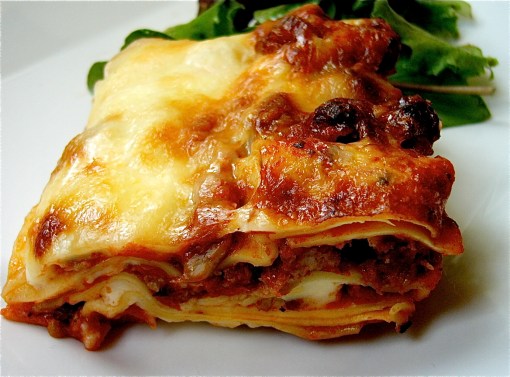
Sausage and Mushroom Lasagna with a green salad


2009 Seasonal Gourmet Day Planners – Now Available!

10 01 2009

Great news!  You can now order a 2009 Seasonal Gourmet 365-day planner and calendar.  Featuring the best of 2008’s kitchen tips, seasonal ingredients, over 150 photos and 20 recipes, you can keep track of appointments in style.  Or use it as a journal, to record your most memorable moments of the year.

Click on the icon below to preview the book.  It’s the perfect gift for food lovers – order your copy today!

Daily Calendar & Pl…
By Trish Coleman


Baked French Toast

26 12 2008

p1020076


When cooking for a crowd around the holidays, it’s helpful to have a few recipes that can be prepared in advance so you can enjoy the festivities with your guests.  This is the perfect dish for Christmas morning or New Year’s Day but it can be made any time you want something fuss-free and delicious for breakfast.  All the prep work is done the night before so all you have to do is bake it and serve in the morning.

This recipe was developed by me and my sister-in-law Jenn this year so we could minimize kitchen time on Christmas morning.  It works best with bread that is slightly stale.  Use a whole loaf (instead of pre-sliced bread) so you can slice it thickly yourself.

Baked French Toast

Makes about 12 thick slices

  • 1 whole loaf unsliced challah or other white bread
  • 1 can (370 ml / 12 fl. oz.) evaporated milk (equals 1-1/2 cups)
  • 3 large eggs
  • 1 Tablespoon maple syrup
  • 1/2 teaspoon vanilla
  • 1/2 teaspoon orange zest (finely grated orange peel)
  • 1/4 teaspoon ground nutmeg
  • pinch of salt
  • Butter, to grease baking pan


  1. Grease a large baking pan (at least 12″ X 16″).  Slice bread into slices about 1″ thick and lay flat in pan. Make sure all pieces are laying flat and not overlapping or they won’t brown properly.
  2. In a mixing bowl, combine evaporated milk, eggs, maple syrup, vanilla, orange zest, nutmeg and salt.  Whisk until smooth and thoroughly mixed.
  3. Pour mixture evenly over bread slices.  Once it has soaked in a bit, turn slices over so they are completely soaked in egg mixture. 
  4. Cover pan and place in the fridge overnight.
  5. To bake: heat oven to 425 degrees Fahrenheit.  Bake french toast for 20 to 25 minutes or until the bread is browned on top and beginning to puff.
  6. Serve with maple syrup or your favourite topping.

Bon Appétit and Enjoy!


Seasonal Eating Through the Winter

2 12 2008

p1010773

It’s early December and we’ve already had our first snowfall in Southern Ontario.  The abundant farmer’s markets of last summer seem like a distant memory and spring is a long time away.  So what are those of us in northern climates going to do for the next 6 months if we’re interested in eating a seasonal diet?   Survive on a diet of meat and stored root vegetables?

Not to worry!  There are plenty of options for seasonal eaters in the north that don’t require eating potatoes and turnips at every meal.   Nor do we have to rely solely on imported fruit and vegetables.  It’s possible to strike a balance and eat meals that capture the essence of the season while still eating as local and fresh as we can. Here are some ideas:

Canned and Frozen Products

Previous generations planned for winter well in advance by preserving and freezing fruits and vegetables at their summer peak.  Jars of tomatoes, fruit, pickles and jams were put into cold storage for the winter. In 2008 many people don’t have the time or storage space to undertake such a project but there are a lot of decent options available at grocery stores and markets.  Canned tomatoes are an excellent substitute for fresh in soups, stews and sauces.  I try to find ones that are prepared relatively close by – Ontario Natural Food Co-op, for example, sells certified organic tomatoes grown locally.  I avoid canned peas, green beans and carrots however, as they just don’t have a very appealing taste or texture.  Canned legumes (such as kidney beans, cannelinis and chickpeas) are another good option for quick meals.  White Bean Dip with Fresh Herbs is a great example of a recipe you can make with canned beans.

Canned tomatoes are a decent alternative to fresh for winter sauces

Canned tomatoes are a decent alternative to fresh for winter sauces


Likewise, frozen fruit and vegetables provide a way to enjoy the tastes of summer (and unlike canned, frozen baby peas are usually fairly decent).  Frozen blueberries are great for muffins, pancakes or coffee cake while frozen strawberries and raspberries can be turned into a sauce or quick jam in no time.  I also like the ease of frozen spinach when fresh isn’t available.

Greenhouse Produce

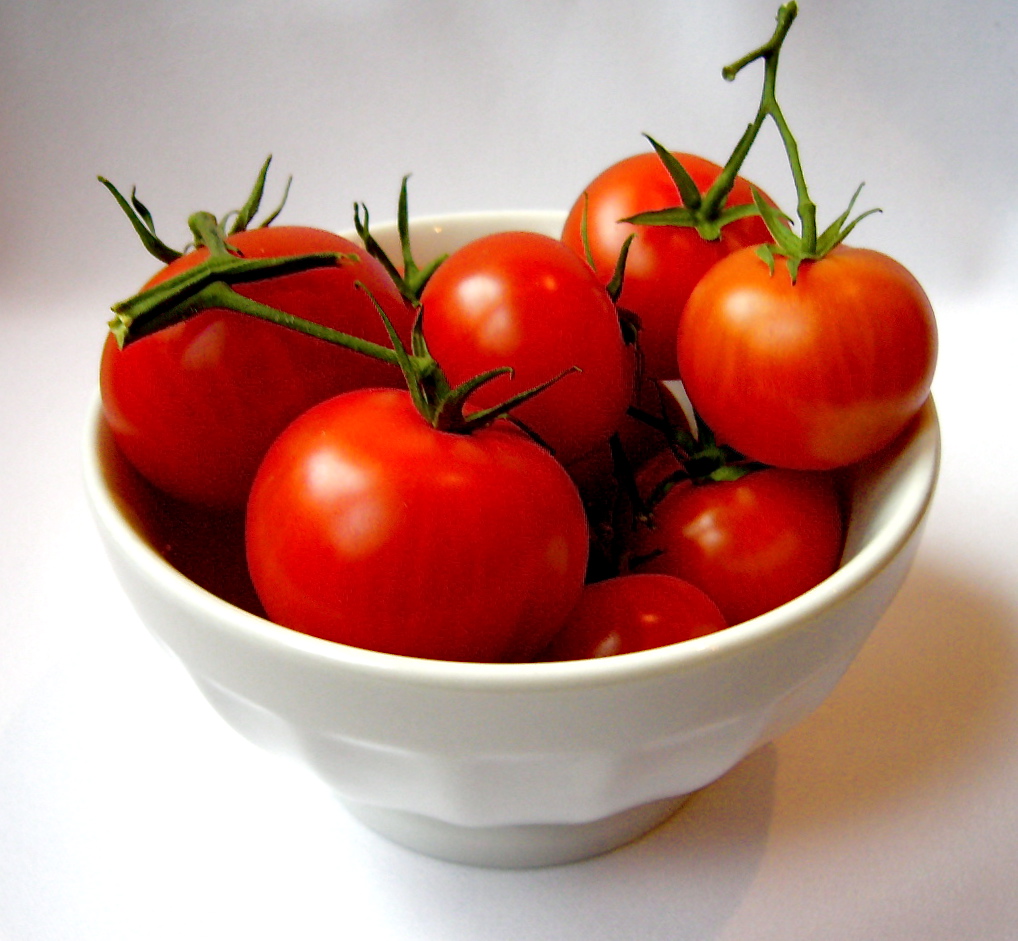
Green, red and yellow peppers, herbs  (if you have an indoor herb pot, that’s even better), tomatoes, celery, mushrooms, arugula and salad greens are just some of the things grown in local greenhouses. As a rule I avoid most types of greenhouse tomatoes because they have no real flavour, however, Sunset Campari brand tomatoes are quite good.  Another option is to roast greenhouse plum tomatoes to bring out their flavour  – see Slow Roasted Tomatoes for a great recipe. 

Sunset Campari tomatoes are greenhouse grown but are sweet and juicy

Sunset Campari tomatoes are greenhouse grown but still taste sweet and juicy


Making the Best of Long-Storing Fruits and Vegetables

Vegetables such as pumpkin, squash, turnip, carrots, beets, celery root, parsnips, potatoes, apples and onions are typically available during the winter because they can be stored for long periods of time.  So make the best of them!  With a little creativity, there is a lot you can do with these great vegetables. Check out my recipes for an Apple Caramel Tart, Butternut Squash Gratin and Peppery Potato and Leek Soup.  A quick internet search will yield thousands of other suggestions and recipes. I’ll also be posting more ideas in the weeks to come as I experiment with winter produce.


Potatoes are a winter staple and extremely versatile

Potatoes are an extremely versatile winter staple

Cooking techniques can also help the home cook get the most out of seasonal products.  Techniques such as braising and slow cooking are great for cold nights and can turn a simple ‘meat and potatoes’ dinner into a rustic masterpiece.  You can check out ‘Williams Sonoma Slow Cooking Essentials’ from My Reading List for some great slow cooking tips and recipes and I’ll be posting some braising recipes in the near future.  Stews and soups such as are also ideal for cold weather cooking and make perfect comfort food for long winter evenings.  See my recipe for Chicken Noodle Soup for a quick and easy example.

Dry Pantry

Pantry staples such as dried lentils, beans, polenta, rice, barley, dried pasta, dried fruit and berries, nuts can be turned into great hearty dishes that are also budget-friendly.  Bucatini All’Amatriciana, homemade Gnocchi (serve with tomato sauce instead of fresh pesto), and White Bean Dip with Fresh Herbs are a few examples of recipes that can be made with pantry items.  Over the winter I’ll be working on some recipes for creamy risottos, polenta and some lentil and bean dishes so stay tuned.


An assortment of dried legumes

An assortment of dried legumes


Other Fun Options

Fondue or Raclette with local cheeses, homemade pizzas and chili are fun options for winter cooking, especially if you’re feeding a crowd.  You can usually buy pizza dough at pizzerias or bakeries (or make your own, of course) and have everyone top them with their favourite seasonal ingredients such as mushrooms, leeks, rapini, caramelized onions and sausage.  A staple of dinner parties in the 1970s, fondue is making a comeback.  After a day on the slopes or at the rink, gather some friends by the fire and dip bread cubes and blanched vegetables into a mix of your favourite local cheeses.  And don’t forget about chili – a big pot is the perfect meal for après-ski or while watching football.  It can be made in advance and feeds a crowd.  There are also a lot of vegetarian versions so all guests can enjoy the fun.


Fondue made with local cheese is a fun option for winter entertaining

Fondue made with local cheese is a fun option for winter entertaining

Relax

Even the most stringent locavores (people who eat only locally grown products) sometimes buy imported items.  However, during the winter I still try to keep my imported purchases seasonally appropriate, opting for vegetables such as swiss chard, beets, leeks, fennel, etc. and saving the asparagus and peaches for summer when I can get them close to home at their very best.

So the best advice is to make the most of the season and enjoy what we do have. Cozy dinners by the fire after a day of skiing, bold red wines, iced wines and ciders, mugs of hot chocolate following an afternoon of skating, hearty soups and stews and roasted vegetables are just a few of the things we can celebrate now. And before you know it, it will be summer again!


Waiting for summer...

Waiting for summer...

Happy Winter Eating!

Ciao,

Trish


Peppery Leek and Potato Soup

1 12 2008

p10104412

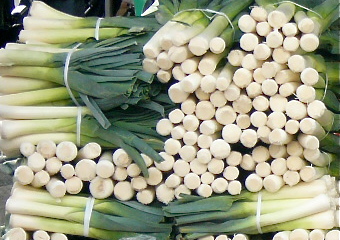
It’s hard to believe it’s already December.  It seems like yesterday that the markets were bursting with an abundance of fresh vegetables.  As fall comes to a close and Christmas draws near, the weather is grey and cool and our fresh vegetable choices are more limited.  Leeks are one of my favourite fall/winter vegetables and a peppery leek and potato soup is the perfect comfort dish for a dreary afternoon. Not only is it delicious, but it’s very easy to prepare AND it’s quite low in fat.   What more could you ask for in a soup?

Potato and leek soup is a pretty standard recipe but what makes my version a little different is the addition of a good amount of freshly ground pepper.  You can adjust it to your own tastes but I think it gives a bit of a kick to a dish that might otherwise be a bit bland.  Use a pepper mill to coarse grind whole peppercorns. If you don’t have a pepper mill, you can crush the peppercorns with a mortar and pestle.

Peppery Leek and Potato Soup

Makes about 7 cups

(VEGETARIAN)

  • 4 leeks
  • 3 russet medium russet potatoes, peeled and cut into a 1″ dice
  • 2 Tablespoons unsalted butter
  • 5 cups low-sodium chicken stock OR vegetable stock
  • 3 teaspoons coarsely ground black pepper (or to taste)
  • Salt, to taste

Optional Garnish:

  • 3″ piece of leek (cut from the white part)
  • 1 Tablespoon unsalted butter
  • Salt, to taste
  • More pepper
  1. Trim roots and green stalks from the leeks.  Slice each leek lengthwise down the middle.  Carefully wash all the layers of the leeks, making sure any sand and grit are removed.  If they are very dirty, soak them briefly in cold water.  Dry well and chop into half-rings.   Remember to reserve a 3″ piece for the garnish.
  2. In a stockpot or enameled cast iron pot, heat butter on medium heat.  Add leeks and sauté until softened and translucent, about 5 minutes.  Watch carefully as they can burn quite easily.  Add 1 teaspoon of the pepper and stir to combine.
  3. Add potato pieces and stir into leeks.  Add chicken stock.  Cover and let simmer for about 25 minutes.
  4. After simmering, check to ensure the potatoes are very tender.  Remove from heat and let the soup cool a bit.  Very carefully puree soup with a hand blender or regular blender until completely smooth.
  5. Return soup to the pot and heat until gently simmering.  Add remaining pepper and stir through.  Season to taste with salt.  Serve with Garnish (see below) and a generous amount of fresh ground pepper.

Garnish:

  1. Cut leek piece into rings.  Heat butter in a small skillet or saucepan.  Add leeks and sauté until crispy, about 7 minutes.  Season with salt and place a spoonful of garnish on each serving.

p1010794

Bon Appétit and Enjoy!


Bucatini All’Amatriciana

28 11 2008


The view from Cortona, Italy

Overlooking the Tuscan countryside from Cortona, Italy

While visiting Cortona, Italy in 2007, I had a memorable lunch on a terrace one day. It was a simple meal of bucatini all’amatriciana, a glass of Chianti and some vanilla gelato for dessert. Simple though it was, it remains one of my favourite dining experiences: stunning views, beautiful weather, good company and food that was simple yet perfect.  When making recipes that rely on few ingredients, it’s important that you use the best quality you can find.  

I was reminded of that lunch recently when I was trying to figure out something to make for dinner that was quick and easy.   Even though this is typically a summer sauce, it works for cooler months when you can use good quality canned tomatoes. It’s the perfect dish when the weather is gloomy and you want to be reminded of warm, lazy summer afternoons.  

Bucatini is a long pasta that looks like thick spaghetti but is hollow in the centre, like a very long piece of macaroni.  I prefer De Cecco brand but any kind will suffice.  If you can’t find bucatini, use penne or spaghetti instead.  Pancetta is made from Italian cured, unsmoked pork belly and is similar to bacon, while guincale is made from the pig’s jowls.  Regular bacon can easily be substituted but it will give the dish a smokier flavour (however, it will still be delicious!).

An interesting note: bucatini all’amatriciana originated in the town of Amatrice in Lazio, about 180 kilometres from Cortona so it is not a traditionally Tuscan dish (Italian cooking is very regional!). However, it is popular throughout Italy and around the world.

Bucatini all’Amatriciana

Makes 6 to 8 servings


  • 8 oz. (230 g) diced pancetta OR guincale OR bacon (about 5 rashers of bacon)
  • 1 medium onion, diced
  • 1 clove garlic, chopped
  • 1/2 to 1 teaspoon red pepper flakes (to taste)
  • 28 oz. (796 ml) can good quality whole tomatoes
  • 5.5 fl. oz. (156 ml) can tomato paste
  • 1/2 to 1 Tablespoon sugar, to taste
  • Salt to taste
  • Optional: 2 Tablespoon fresh basil
  • Grated pecorino romano OR parmesan cheese to finish
  • 500 g (about 1 lb.) bucatini OR penne


  1. Heat an enameled cast iron pot or large skillet on medium-high heat and add pancetta/bacon cubes. Cook until they’re beginning to crisp, about 7 minutes.  Remove from the pan and set aside.
  2. Drain off all but 1 Tablespoon of the rendered fat from the bacon (if there is very little fat left in the pan, add 1 Tbsp. olive oil).  Add onions and sauté until they’re beginning to soften, about 3 to 4 minutes.  Add garlic and red pepper flakes.  Sauté for another minute.
  3. Add tomatoes and break up with a spoon.  Reduce heat to medium low and let sauce simmer for about 20 minutes.  Return pancetta/bacon to sauce, add tomato paste and season with sugar, salt and pepper.  Add basil, if using.  Let sauce simmer for another 10 minutes while the pasta is cooking. (See ‘How to Cook Perfect Pasta‘ for tips).
  4. Drain bucatini and add to sauce.  Toss until pasta is evenly coated with sauce.  Serve with grated pecorino romano or parmesan cheese.


Bucatini all'Amatriciana with basil leaf garnish

Buono Appetit and Enjoy!


Thanksgiving

26 11 2008

Tomorrow is American Thanksgiving so to get into the spirit, here are a number of side dish and dessert suggestions that you can add to your turkey to create a delicious menu.  All dishes are vegetarian and can be made in advance so you’ll have time to focus on the important aspects of the day!

p10106742

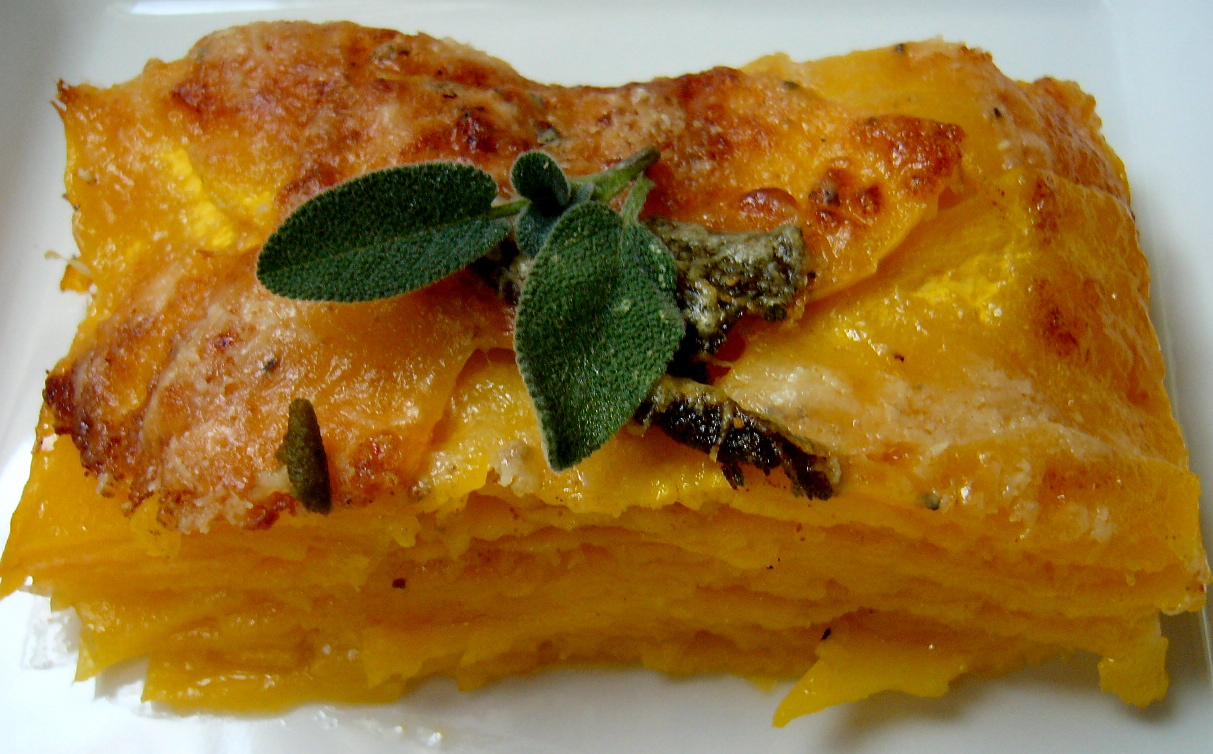
Butternut Squash Gratin

Rich and cheesy with a hint of sweetness, this makes a great vegetable dish with fall’s essential flavours.

p1010788

Potato-Sage Dressing

One of the most important dishes for Thanksgiving, this vegetarian version is moist and flavourful even though it’s cooked outside of the turkey.

p1010437

Corn Scallop

Although I originally made this recipe with roasted fresh corn, you can easily substitute canned or frozen corn.

p1010432

Cranberry Sauce

A must-have on many Thanksgiving tables, this version uses fresh cranberries and doesn’t take much more effort than opening a can (really!)

p1010414

Apple Caramel Tart

An impressive dessert that’s easier to make than it looks.

p10104121

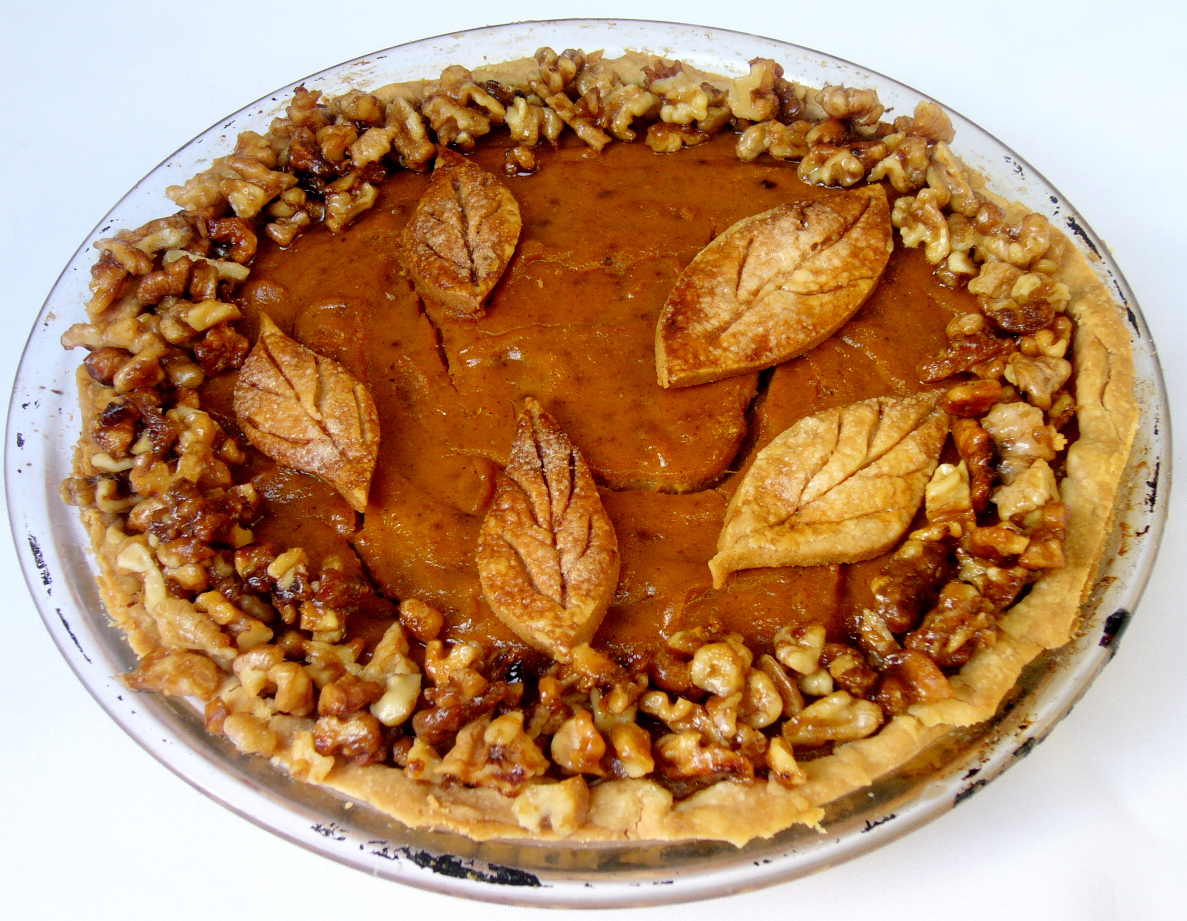
Pumpkin Pie with Maple Walnut Praline

Pumpkin pie is a Thanksgiving classic.  I’ve dressed it up with maple-walnut praline and pastry leaves so it looks elegant but still tastes delicious.

Bon Appétit and Happy Thanksgiving!


Chicken Noodle Soup

20 11 2008

vegetables for soup

Yesterday I was feeling a bit under the weather and it was snowing hard outside.  I felt like having something warm and soothing for dinner but wasn’t excited about the idea of canned soup with too much sodium and soggy noodles.  I searched the pantry and fridge and came up with this easy chicken noodle soup that fit the bill perfectly and is much tastier than canned.  (It’s also delicious if you’re not feeling sick!)

Chicken Noodle Soup

Makes about 8 cups of soup

  • 2 Tablespoons olive oil
  • 2 large carrots cut into rounds about 1/2″ thick
  • 1 large stalk celery, diced
  • 3 medium leeks, white part only, chopped
  • 1 medium onion, diced
  • 1 clove garlic, chopped
  • 1 Tablespoon finely chopped fresh sage leaves
  • 1/2 sprig of fresh rosemary, finely chopped
  • 5 sprigs fresh thyme leaves, stripped off their branches
  • 3 chicken breasts (with skin and bones attached)
  • 6 cups low-sodium chicken broth
  • 1-1/2 cups dry egg noodles
  • Salt and pepper, to taste
  1. In a large stock pot or cast-iron enameled pot, heat oil on medium-high heat. Season chicken breasts with salt and pepper and place in pot, skin side down. Brown chicken until breasts begin to turn golden and crisp.  Turn over and brown the other side.  Remove from pan and set aside.
  2. Add carrots, celery, leeks, onions and garlic to pot.  Saute until they are just starting to soften, about 3 to 4 minutes.  Add half of the sage, thyme and rosemary and stir into mixture.
  3. Place chicken pieces back in pot and cover with the chicken stock.  Place lid on the pot and let simmer gently for about 40 to 45 minutes (don’t let it come to a hard boil).
  4. After 45 minutes, remove chicken breasts from the soup.  Place on a cutting board and using a fork, pull the meat off the bone.  Cut into chunks and put meat back into the soup.  Discard bones.
  5. Add remaining herbs and the noodles to the soup and cook for another 10 minutes or until noodles are tender.  Season with salt and pepper to taste and garnish with a sprig of rosemary.
p1010776

Homemade Chicken Noodle Soup

Bon Appétit and Enjoy!


Spiced Ginger Cookies

19 11 2008

p1010675_2

A leafless tree on a grey November afternoon

When I was a kid, I thought November was the worst month of the year.  In Canada, by mid-November it’s starting to get cold and there’s always the possibility of snow. Most of the leaves are off the trees and the skies are often grey and gloomy. Halloween is over but Christmas is still pretty far away (from a child’s perspective, at least).

However, now that I’m older, I have a new outlook on November. It’s a time of quiet – a time to nurture our bodies and souls.  A grey Sunday afternoon now means putting a hearty soup or stew on to simmer, lighting a fire in the fireplace and curling up with a good book.  There’s no pressure to be racing around doing a million things. We can take time to enjoy our friends and family over cozy dinners or an evening of cocktails before the madness of the holiday season is upon us.  Come to think of it, I think I actually like November now!

Here is a recipe for ginger cookies, the perfect comfort treat for a grey day.  They are particularly good fresh from the oven, served warm with pumpkin gelato or ice cream (you could even put some pumpkin ice cream between two cookies for a decadent ice cream sandwich!).  Be sure not to bake the cookies too long – they stay chewy if slightly undercooked.

Spiced Ginger Cookies

Makes approximately 20 cookies


  • 3/4 cup shortening OR unsalted butter, at room temperature
  • 1 cup white sugar + an additional 1/2 cup for rolling cookies in
  • 1/4 cup molasses
  • 1 egg
  • 2 cups flour
  • 1/4 teaspoon salt
  • 2 teaspoons baking soda
  • 1 teaspoon cinnamon
  • 1 teaspoon ground ginger
  • 1 teaspoon ground allspice
  • 1/2 teaspoon ground cloves
  • 1/2 teaspoon grated nutmeg


  1. Preheat oven to 375 degrees Fahrenheit.  Grease a cookie sheet and set aside.
  2. With a hand mixer or stand mixer, cream shortening and 1 cup of the sugar.  Mix until smooth and creamy, about 1 to 2 minutes.  Add molasses and egg and beat for another minute or two until ingredients are thoroughly mixed (tip: spray measuring cup with cooking spray before measuring the molasses so it doesn’t stick to the inside of the cup).
  3. Add flour one cup at a time and mix until fully incorporated.  Add salt, baking soda and spices.  Mix until evenly distributed through the batter.
  4. Pour remaining 1/2 cup of sugar onto a plate.  Scoop out about 1-1/2 Tablespoons of dough and roll into a ball that is slightly smaller than a golf ball.  Roll dough in sugar and place on baking sheet.  Repeat with the remainder of the dough (the cookies will have to be baked in batches of 6 to 8).
  5. Bake for approximately 8 to 9 minutes, or until they begin to puff up and the bottoms are beginning to brown.  Remove from the oven and let them rest for a few minutes before taking off the cookie sheet.  Let cool and serve.


Spiced Ginger Cookies with cinnamon stick garnish

Spiced Ginger Cookies with cinnamon stick garnish


Bon Appétit and Enjoy!


Kitchen Tip of the Week – Making Vinaigrette

11 11 2008

istock_000005595521xsmall

This week I’m going to discuss the basics of making your own salad dressings (or vinaigrettes, as they’re also called).  For years my fridge would be filled with bottles of different dressings, only to go bad before I had finished them.  Not only that, they can be full of additives and are typically expensive for what you get. Plus, as I’ve said before, fresh just tastes better.  Making your own allows you to control what goes in your dressing so you can customize it and have your own unique ‘house dressing’.

Vinaigrette Basics

I used to be intimidated by the idea of making my own dressings but if you remember a few basic proportions (see below), it’s very simple.  A few tips to remember:

  • Mustard helps keep the oil and vinegar from separating.  It also adds a subtle flavour.
  • Balance sweet with a bit of acid.  For example, if you add honey or maple syrup for sweetness, add a little bit more vinegar or lemon to make it less cloying.  Likewise, adding a touch of sweetness (a small amount of sugar, honey or syrup) can take the harsh edge off the vinegar.
  • Use the best quality ingredients you can.  While you don’t have to spend a fortune on fancy oils and vinegars, use ones that taste good to you.  They typically last a very long time so it’s a good investment for your pantry.
  • Dressing your salad: Add dressing a bit at a time and toss well.  You want it to just coat the greens but not weigh them down or make them soggy.  Remember, you can always add a little bit more but you can’t take it away!  If you do overdress the salad, add more greens.
  • Vinaigrettes can also be used to drizzle over cooked meat and vegetables, to marinate meats such as chicken or as a dressing for sandwiches.

Selecting Your Ingredients

Acid: There are many types of acid you can use such as lemon juice, lime juice, rice wine vinegar, white vinegar, white wine vinegar, cider vinegar, raspberry vinegar, red wine vinegar, champagne vinegar, sherry vinegar, fig vinegar, balsamic vinegar…. The list goes on.  Let your imagination run wild!

Oil: Use a neutral tasting oil as your main oil.  Olive oil can work as long as it’s mild – you don’t want the dressing to taste overwhelmingly like olives.  Other neutral oils such as canola, sunflower or safflower work very well and have a lighter taste (but unfortunately they are not lighter in calories).  More ‘exotic’ oils such as avocado, walnut or sesame oil can be added in small quantities for flavouring to make a dressing that is unique and different.

Mustard: Dijon style mustards usually work best.  Avoid using bright yellow ‘hot dog’ mustard – it’s a bit too harsh tasting for a vinaigrette.  I generally prefer a smooth mustard over a grainy style.

Additions: While optional, adding a bit of minced garlic, diced shallot or finely chopped onion can give your dressing depth.  Likewise, herbs and spices can help customize your dressing and make it more interesting. Add fruit juices such as orange or apple for a touch of sweetness.

Basic Vinaigrette – Proportions to Follow to Make a Custom Dressing:

  • 3 to 4 parts OIL
  • 1 part ACID
  • 1/6 part MUSTARD
  • A pinch of SALT, to taste
  • Optional ADDITIONS:  Suggestions include finely minced fresh garlic, finely diced shallots, finely chopped herbs, a splash of fruit juice, 1/3 part honey or maple syrup, etc.

Add ingredients to a small bowl and whisk together until combined.

Basic White Wine Vinaigrette:

  • 3 to 4 Tablespoons neutral oil
  • 1 Tablespoon white wine vinegar
  • 1/2 teaspoon dijon mustard
  • 2 teaspoons finely minced shallot
  • Salt and Pepper, to taste

Whisk all ingredients together in a small bowl.  Can be stored covered in the refrigerator for a few days.  If the ingredients separate, whisk until it emulsifies again.

istock_000006851191xsmall1

Honey-Mustard Dressing

Makes approximately 1/4 cup – can easily be doubled

This makes a great salad dressing, particularly for chicken.  It can also be used as a glaze or dip for chicken, shrimp or pork (it’s really good with chicken fingers!).  The proportions of oil and vinegar are a little different for this recipe.

  • 2 Tablespoons dijon-style mustard
  • 3 to 4 Tablespoons neutral oil, such as canola or safflower.   Tip: Use the same spoon to measure both oil and honey.  If you measure the oil first the honey will not stick to the spoon.
  • 1 Tablespoon liquid honey
  • 1-1/2 teaspoon apple cider vinegar
  • 1/2 clove garlic, very finely minced
  • Pinch of salt, to taste

Combine ingredients in a small bowl and whisk until combined.  Use as a dip or a dressing for your favourite salads.

Bon Appétit and Enjoy!