Swiss Chard Tart

7 12 2008

p1010832


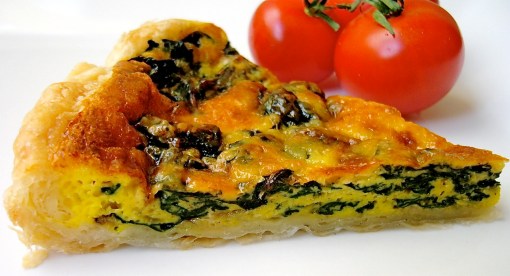
Swiss chard is a hearty, leafy green that grows well in cooler temperatures.  It’s a member of the beet family and the greens taste similar to spinach.  Chard is packed with vitamins and is a great vegetable to use as a side dish for braised meat dishes.  It appears quite frequently on menus in the Provence area of France, where it is known as blette.  I recently prepared a Provençal-inspired menu and developed this tart as the first course.  It could be prepared as small individual servings or as one large tart.   It also makes a great breakfast dish, served with fresh fruit and pastries.


The Provencal countryside

The Provencal countryside

Swiss chard can be found at most supermarkets at this time of year.  If you can’t find regular chard (with white stems), you can use red swiss chard which has bright red stems and veins (see photo above).   I was only able to find red chard recently and was worried that it would turn the tart pink.  However, if you trim the stems and remove the large ribs, it works out fine.  If you can’t find chard, substitute fresh spinach.

For the best presentation, use a tart pan with a removable bottom (which are also available in smaller sizes for individual servings).  However, if you don’t have a tart pan, use a regular pie plate.

Swiss Chard Tart (Tourte de Blettes)

Makes one 9″ tart

(VEGETARIAN)

  • 1/2 packaged frozen puff pastry, thawed
  • 1 bunch swiss chard or red swiss chard, stems trimmed and thick ribs cut out
  • 1 Tablespoon unsalted butter
  • 1 shallot, minced
  • 1 clove garlic, chopped
  • 1/8 teaspoon grated nutmeg
  • 2 eggs
  • 1/2 cup whipping cream
  • 1/2 cup freshly grated parmesan cheese
  • Salt and pepper, to taste
  1. Preheat oven to 425 degrees Fahrenheit.
  2. Roll puff pastry out to fit a 9″ tart pan or pie plate.  Place pastry into pan and crimp edges.  Set aside until ready to use.
  3. In a medium skillet, heat butter until melted.  Add shallot and garlic and sauté on medium heat until tender and translucent, approximately 3 minutes.  Add swiss chard.
  4. Sauté swiss chard until leaves are wilted and tender, approximately 7 minutes.  Add nutmeg and season with salt and pepper.  Remove from heat and let chard cool for a few minutes.
  5. In a measuring cup, add eggs and whipping cream and stir with a fork until well combined.
  6. Spread sautéed swiss chard over the bottom of the uncooked pastry crust, making sure it’s evenly distributed.  Pour egg/cream mixture over chard.  Top with grated parmesan.
  7. Bake for 25 to 35 minutes or until the pastry is puffed and browned along the edges and the top of the tart is golden.  Cut into slices and serve.

Bon Appétit and Enjoy!
 

p1010852


Peppery Leek and Potato Soup

1 12 2008

p10104412

It’s hard to believe it’s already December.  It seems like yesterday that the markets were bursting with an abundance of fresh vegetables.  As fall comes to a close and Christmas draws near, the weather is grey and cool and our fresh vegetable choices are more limited.  Leeks are one of my favourite fall/winter vegetables and a peppery leek and potato soup is the perfect comfort dish for a dreary afternoon. Not only is it delicious, but it’s very easy to prepare AND it’s quite low in fat.   What more could you ask for in a soup?

Potato and leek soup is a pretty standard recipe but what makes my version a little different is the addition of a good amount of freshly ground pepper.  You can adjust it to your own tastes but I think it gives a bit of a kick to a dish that might otherwise be a bit bland.  Use a pepper mill to coarse grind whole peppercorns. If you don’t have a pepper mill, you can crush the peppercorns with a mortar and pestle.

Peppery Leek and Potato Soup

Makes about 7 cups

(VEGETARIAN)

  • 4 leeks
  • 3 russet medium russet potatoes, peeled and cut into a 1″ dice
  • 2 Tablespoons unsalted butter
  • 5 cups low-sodium chicken stock OR vegetable stock
  • 3 teaspoons coarsely ground black pepper (or to taste)
  • Salt, to taste

Optional Garnish:

  • 3″ piece of leek (cut from the white part)
  • 1 Tablespoon unsalted butter
  • Salt, to taste
  • More pepper
  1. Trim roots and green stalks from the leeks.  Slice each leek lengthwise down the middle.  Carefully wash all the layers of the leeks, making sure any sand and grit are removed.  If they are very dirty, soak them briefly in cold water.  Dry well and chop into half-rings.   Remember to reserve a 3″ piece for the garnish.
  2. In a stockpot or enameled cast iron pot, heat butter on medium heat.  Add leeks and sauté until softened and translucent, about 5 minutes.  Watch carefully as they can burn quite easily.  Add 1 teaspoon of the pepper and stir to combine.
  3. Add potato pieces and stir into leeks.  Add chicken stock.  Cover and let simmer for about 25 minutes.
  4. After simmering, check to ensure the potatoes are very tender.  Remove from heat and let the soup cool a bit.  Very carefully puree soup with a hand blender or regular blender until completely smooth.
  5. Return soup to the pot and heat until gently simmering.  Add remaining pepper and stir through.  Season to taste with salt.  Serve with Garnish (see below) and a generous amount of fresh ground pepper.

Garnish:

  1. Cut leek piece into rings.  Heat butter in a small skillet or saucepan.  Add leeks and sauté until crispy, about 7 minutes.  Season with salt and place a spoonful of garnish on each serving.

p1010794

Bon Appétit and Enjoy!


Thanksgiving

26 11 2008

Tomorrow is American Thanksgiving so to get into the spirit, here are a number of side dish and dessert suggestions that you can add to your turkey to create a delicious menu.  All dishes are vegetarian and can be made in advance so you’ll have time to focus on the important aspects of the day!

p10106742

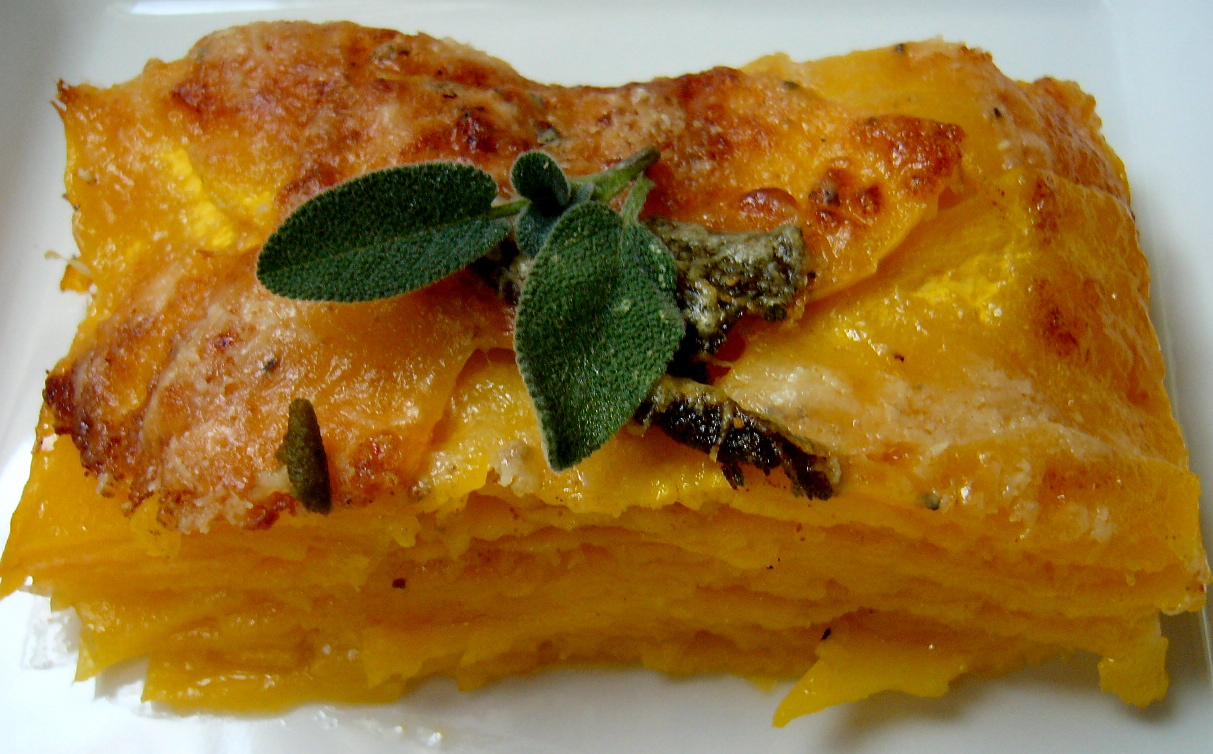
Butternut Squash Gratin

Rich and cheesy with a hint of sweetness, this makes a great vegetable dish with fall’s essential flavours.

p1010788

Potato-Sage Dressing

One of the most important dishes for Thanksgiving, this vegetarian version is moist and flavourful even though it’s cooked outside of the turkey.

p1010437

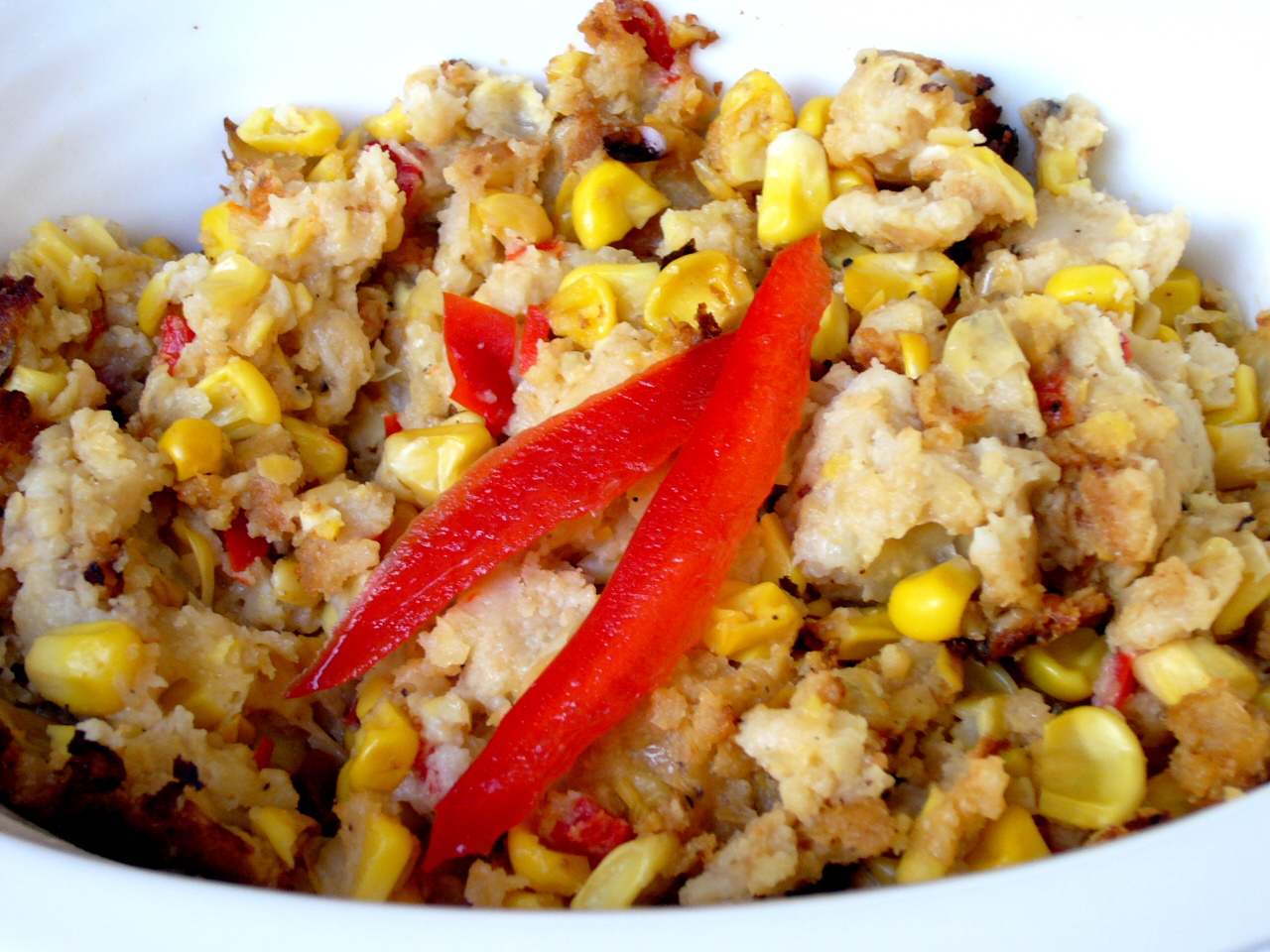
Corn Scallop

Although I originally made this recipe with roasted fresh corn, you can easily substitute canned or frozen corn.

p1010432

Cranberry Sauce

A must-have on many Thanksgiving tables, this version uses fresh cranberries and doesn’t take much more effort than opening a can (really!)

p1010414

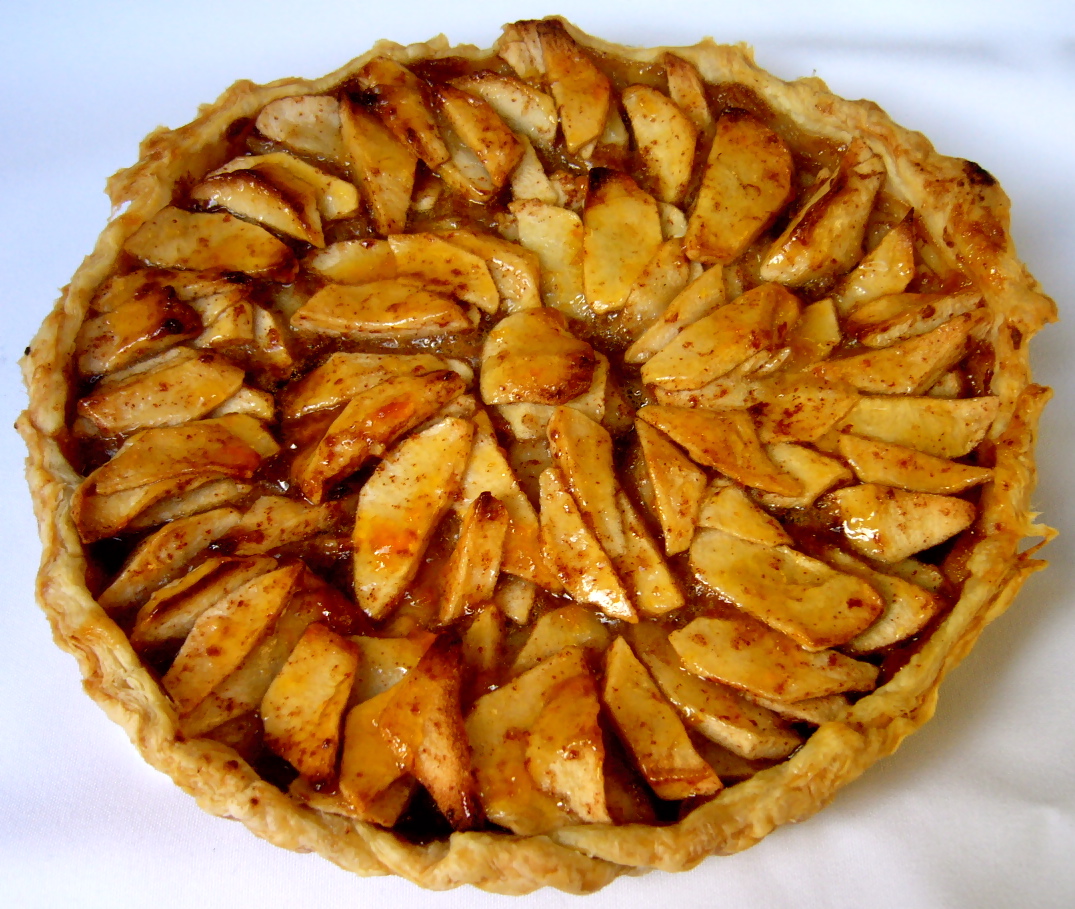
Apple Caramel Tart

An impressive dessert that’s easier to make than it looks.

p10104121

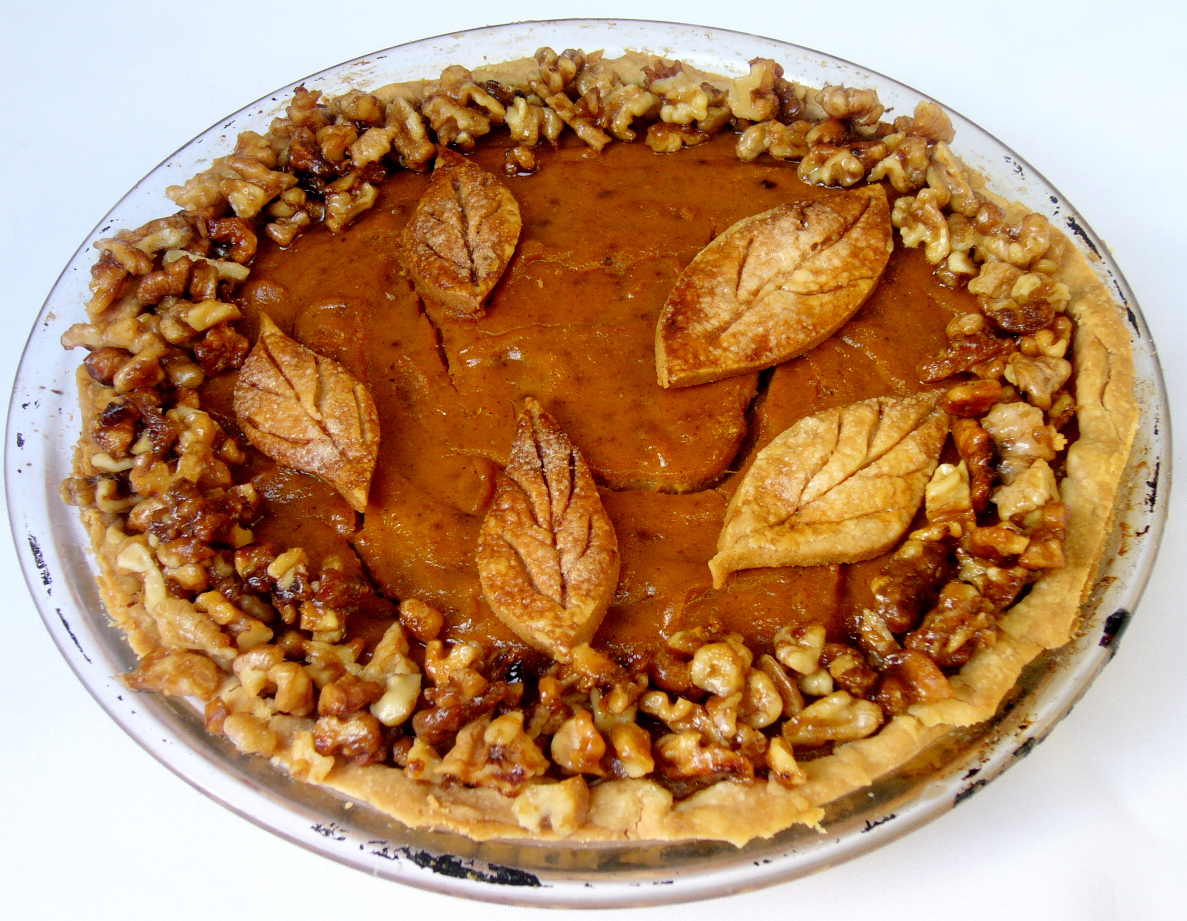
Pumpkin Pie with Maple Walnut Praline

Pumpkin pie is a Thanksgiving classic.  I’ve dressed it up with maple-walnut praline and pastry leaves so it looks elegant but still tastes delicious.

Bon Appétit and Happy Thanksgiving!


Kitchen Tip of the Week – Making Vinaigrette

11 11 2008

istock_000005595521xsmall

This week I’m going to discuss the basics of making your own salad dressings (or vinaigrettes, as they’re also called).  For years my fridge would be filled with bottles of different dressings, only to go bad before I had finished them.  Not only that, they can be full of additives and are typically expensive for what you get. Plus, as I’ve said before, fresh just tastes better.  Making your own allows you to control what goes in your dressing so you can customize it and have your own unique ‘house dressing’.

Vinaigrette Basics

I used to be intimidated by the idea of making my own dressings but if you remember a few basic proportions (see below), it’s very simple.  A few tips to remember:

  • Mustard helps keep the oil and vinegar from separating.  It also adds a subtle flavour.
  • Balance sweet with a bit of acid.  For example, if you add honey or maple syrup for sweetness, add a little bit more vinegar or lemon to make it less cloying.  Likewise, adding a touch of sweetness (a small amount of sugar, honey or syrup) can take the harsh edge off the vinegar.
  • Use the best quality ingredients you can.  While you don’t have to spend a fortune on fancy oils and vinegars, use ones that taste good to you.  They typically last a very long time so it’s a good investment for your pantry.
  • Dressing your salad: Add dressing a bit at a time and toss well.  You want it to just coat the greens but not weigh them down or make them soggy.  Remember, you can always add a little bit more but you can’t take it away!  If you do overdress the salad, add more greens.
  • Vinaigrettes can also be used to drizzle over cooked meat and vegetables, to marinate meats such as chicken or as a dressing for sandwiches.

Selecting Your Ingredients

Acid: There are many types of acid you can use such as lemon juice, lime juice, rice wine vinegar, white vinegar, white wine vinegar, cider vinegar, raspberry vinegar, red wine vinegar, champagne vinegar, sherry vinegar, fig vinegar, balsamic vinegar…. The list goes on.  Let your imagination run wild!

Oil: Use a neutral tasting oil as your main oil.  Olive oil can work as long as it’s mild – you don’t want the dressing to taste overwhelmingly like olives.  Other neutral oils such as canola, sunflower or safflower work very well and have a lighter taste (but unfortunately they are not lighter in calories).  More ‘exotic’ oils such as avocado, walnut or sesame oil can be added in small quantities for flavouring to make a dressing that is unique and different.

Mustard: Dijon style mustards usually work best.  Avoid using bright yellow ‘hot dog’ mustard – it’s a bit too harsh tasting for a vinaigrette.  I generally prefer a smooth mustard over a grainy style.

Additions: While optional, adding a bit of minced garlic, diced shallot or finely chopped onion can give your dressing depth.  Likewise, herbs and spices can help customize your dressing and make it more interesting. Add fruit juices such as orange or apple for a touch of sweetness.

Basic Vinaigrette – Proportions to Follow to Make a Custom Dressing:

  • 3 to 4 parts OIL
  • 1 part ACID
  • 1/6 part MUSTARD
  • A pinch of SALT, to taste
  • Optional ADDITIONS:  Suggestions include finely minced fresh garlic, finely diced shallots, finely chopped herbs, a splash of fruit juice, 1/3 part honey or maple syrup, etc.

Add ingredients to a small bowl and whisk together until combined.

Basic White Wine Vinaigrette:

  • 3 to 4 Tablespoons neutral oil
  • 1 Tablespoon white wine vinegar
  • 1/2 teaspoon dijon mustard
  • 2 teaspoons finely minced shallot
  • Salt and Pepper, to taste

Whisk all ingredients together in a small bowl.  Can be stored covered in the refrigerator for a few days.  If the ingredients separate, whisk until it emulsifies again.

istock_000006851191xsmall1

Honey-Mustard Dressing

Makes approximately 1/4 cup – can easily be doubled

This makes a great salad dressing, particularly for chicken.  It can also be used as a glaze or dip for chicken, shrimp or pork (it’s really good with chicken fingers!).  The proportions of oil and vinegar are a little different for this recipe.

  • 2 Tablespoons dijon-style mustard
  • 3 to 4 Tablespoons neutral oil, such as canola or safflower.   Tip: Use the same spoon to measure both oil and honey.  If you measure the oil first the honey will not stick to the spoon.
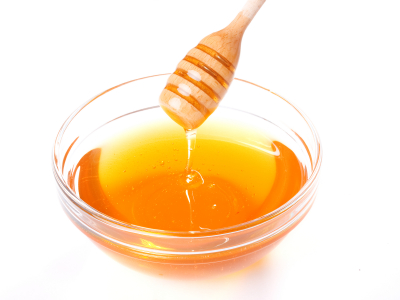
  • 1 Tablespoon liquid honey
  • 1-1/2 teaspoon apple cider vinegar
  • 1/2 clove garlic, very finely minced
  • Pinch of salt, to taste

Combine ingredients in a small bowl and whisk until combined.  Use as a dip or a dressing for your favourite salads.

Bon Appétit and Enjoy!


Corn Scallop

15 10 2008

Corn scallop is classic comfort food.  I recently made it for Thanksgiving dinner and it was a hit.  It’s quick and easy to prepare and can be assembled in advance and baked when guests arrive, allowing you to focus on other last-minute tasks.  I was fortunate enough to find some local corn (likely the very last of the season) but you can easily use canned or frozen corn if it’s no longer available fresh in your area.  It’s an appropriate dish for both summer and early fall.

This makes quite a bit of casserole, about enough for 10 as a side dish, assuming there will be other vegetables and side dishes as well.

Corn Scallop

Makes about 10 servings as a side dish

(VEGETARIAN)

  • 14 fl. oz. (398 ml) can creamed corn
  • 2 cups corn (about 3 cobs of roasted, grilled or boiled corn)
  • 1/2 cup diced red pepper 
  • 2 eggs
  • 1 cup evaporated milk (NOT sweetened condensed milk)
  • 2 Tablespoons butter, melted
  • 1/2 medium onion, finely diced
  • 2 cups crushed unsalted soda crackers (1 sleeve of crackers)
  • 1 cup grated swiss cheese (Emmental, gruyere, etc)
  1. Preheat oven to 350 degrees Fahrenheit.
  2. Butter a casserole dish and set aside.  In a large mixing bowl, add all ingredients and stir until well combined.
  3. Pour mixture into casserole dish and bake for 45 minutes to 50 minutes or until cheese is bubbling and it’s starting to brown.  
Variations:
  • You could add some chopped jalapenos or other hot peppers to spice it up a little.  
  • If you’re serving non-vegetarians, it can be adapted into a heartier main course by adding some chopped ham or bacon.

Bon Appetit and Enjoy!

Corn Scallop.  Not the most elegant looking dish but tasty nonetheless!

Corn Scallop. Not the most elegant looking dish but tasty nonetheless!


Mushroom Crostini

25 09 2008

For a great fall hors d’oeuvre, check out my most recent article for Suite 101:

Mushroom Toasts

Mushroom Crostini

Bon Appetit and Enjoy!


Welcome to Fall!

24 09 2008

In Canada, there are four very distinct seasons.  Almost everyone loves summer and winter has its charms but without a doubt, my favourite season is fall.  The crisp weather, colourful foliage and an excuse to shop for a new wardrobe are all great reasons to enjoy autumn but let’s not forget about the food!  Hearty soups, rich braises, spiced cider and pumpkin treats are only some of the culinary delights fall has to offer. Many of the farmer’s markets will be running for another month or so, their stalls overflowing with pumpkins, squash and apples.  Thanksgiving offers a chance to make your favourite autumn dishes such as pumpkin pie and juicy herb-roasted turkey. And of course, there’s Hallowe’en, which falls on a Friday this year so it’s a great excuse for the adults to get together and celebrate the season with spooky cocktails and snacks.  

So get ready for fall and check back for lots of great autumn recipes and techniques. To get things started for the season, here is a quick recipe for a cider spice mix so you can whip up a cup of hot apple cider to enjoy after a brisk autumn walk or an afternoon of raking leaves.  It can be used with apple cider or, as Christmas nears, hot cranberry juice.

Spiced Cider

(VEGETARIAN)

Makes 4 cups of cider – can easily be doubled

Spice Packet:

  • 2 cinnamon sticks, broken in half + 4 whole sticks for garnish
  • 6 whole cloves
  • 1 strip orange peel, about 1″ X 2″ – peel only, make sure white pith is cut off
  • 4 whole allspice 
  • Cheesecloth, doubled and cut into a 6″ X 6″ square
  • Kitchen string – about 3″ long


  • 4 cups (1 liter) non-alcoholic apple cider OR cranberry juice
  1. Lay cheesecloth flat on the counter and add all ingredients.  Fold up corners and tie tightly with kitchen string.
  2. In a large saucepan, add cider and spice packet.  Heat on medium-high until simmering then reduce to medium-low (do not boil).  Simmer for about 30 minutes, until spices permeate the cider.
  3. Remove spice packet and discard, pour cider into mugs and garnish with cinnamon sticks.
Bon Appetit and Enjoy!


Farmer’s Market Report

11 09 2008

As summer winds down and crops are being harvested, there is still a lot going on at the farmer’s markets in Southern Ontario.  Here are some observations about what’s happening this week:

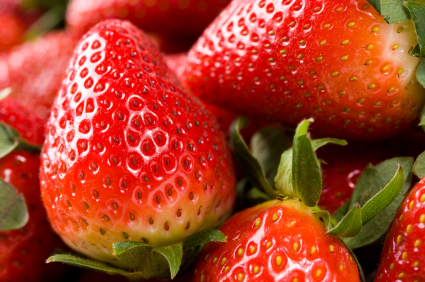
  • Strawberries – I’ve been ignoring strawberries since June, when they were at their traditional seasonal peak.  I’ve seen them at one of the markets throughout the summer and assumed that they were some sort of import or hydroponic strawberry.  I finally asked one of the vendors what the story is.  It turns out that they’re a type of strawberry called Everbearing.  Everbearing strawberries are grown just like traditional June Bearing strawberry plants (ie, in fields) but they produce berries throughout the summer.  I bought a few to see how they compared to June Bearing strawberries but unfortunately the batch I got were sour and white in the middle. However, that may have been an anomaly so if I see them again, I might give them another try.

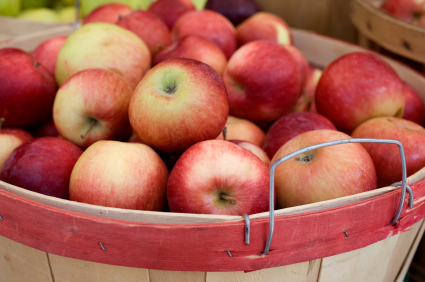
  • Other Fruit – Apples are turning up everywhere but I think of them more as an autumn fruit so I haven’t purchased any for cooking yet.  Once the days cool down a bit, I will be testing some great apple recipes such as tarts, crumbles and applesauce.  I did buy some honeycrisps and cortland apples for eating last week and they were perfect – crisp, firm, tart and juicy. There were also lots of plums and pears, which I will be experimenting with in the weeks to come.  
  • Herbs – There was an abundance of herbs available, especially basil.  They were being sold in bunches with the roots still attached.  This is ideal for making large batches of pesto to freeze or can. For a tasty pesto recipe, see Ricotta Gnocchi with Pesto.  

  • Tomatoes, Corn and Peppers – The tomatoes I picked up yesterday were some of the best I’ve tried this summer.  They were juicy and sweet, unlike some of the mealy ones I had gotten earlier in the season.  Corn is still abundant, as are green and red peppers.  I picked up some red shepherd peppers and despite their crazy shape, they were very sweet.   For a great Roasted Red Pepper Soup recipe, you can check out one I developed for Suite101.com.   If you you’re looking for tomato recipes, why don’t you try a Caprese Salad, Tomato Salad with Goat Cheese, Tomato and Ricotta Tart, Corn and Tomato Salad or Slow Roasted Tomatoes (I really like tomatoes, if you hadn’t noticed!)

It’s a great time to enjoy the abundance of the season so take advantage of it if you can!

Ciao,

Trish


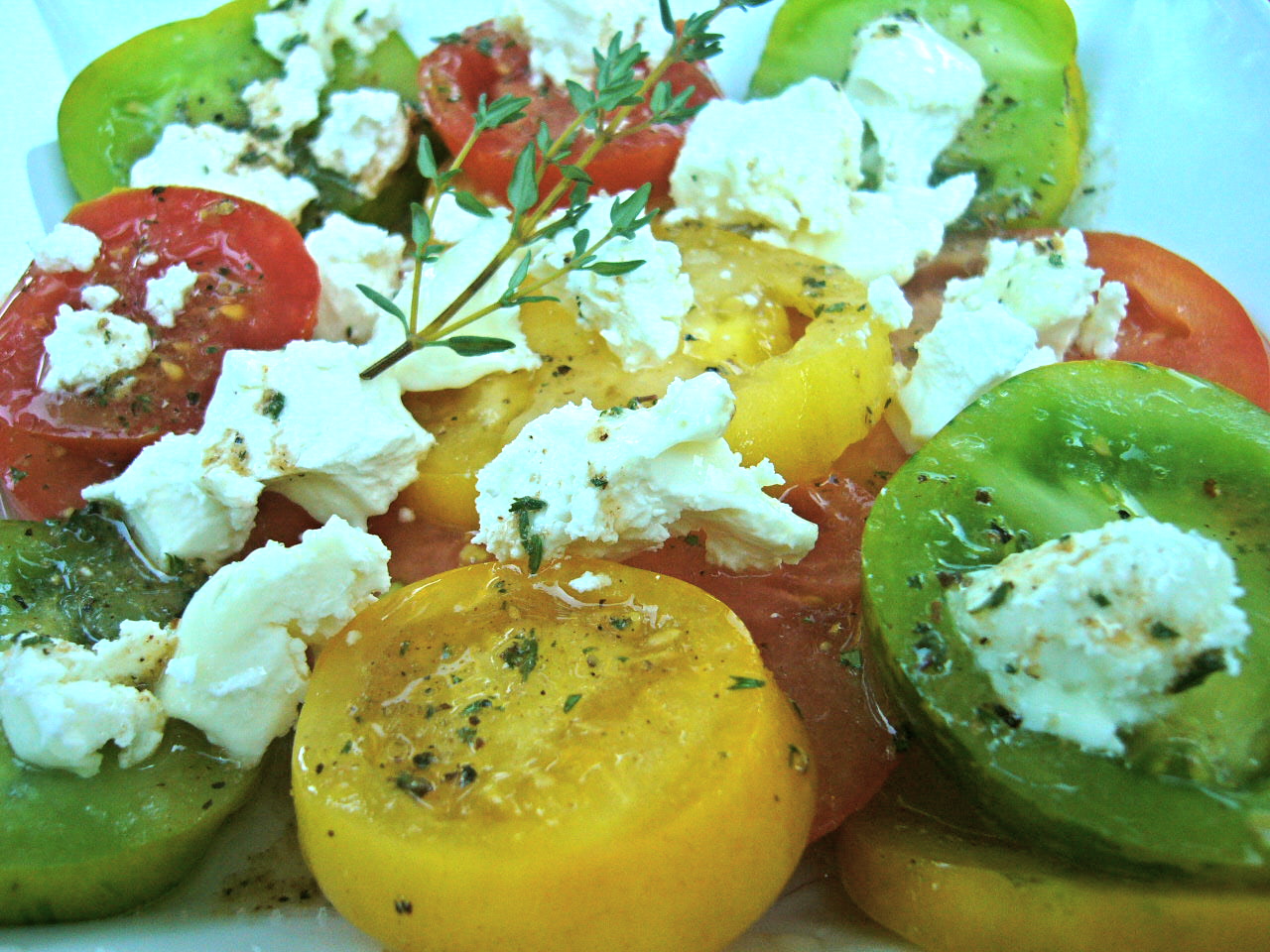
Heirloom Tomato Salad with Goat Cheese and Sherry Vinaigrette

11 09 2008

I recently paid a visit to Harvest restaurant in the bucolic countryside of Eastern Ontario (see Late Summer in Wine Country).  Chef/owner Michael Potters bases his menus on what is in season and available, sourcing as much as possible from local purveyors. One of the salads on the menu was an heirloom tomato and Fifth Town goat cheese salad with sherry vinaigrette.  It inspired me to come up with my own version.  It’s similar to a caprese salad but the goat cheese and dressing give it a bit of a different flavour.

If you don’t like goat cheese (and I must admit, it’s not my personal favourite), you can use any kind of creamy mild cheese, such as a creamy sheep’s milk cheese, mild feta or even fresh mozzarella.  Because this salad is so simple, it’s important to use the very best ingredients you can find so skip it if you can’t find good tomatoes.   Sherry vinegar should be available at most grocery stores.  This salad makes a great starter or light lunch with some crusty bread.

Heirloom Tomato Salad with Goat Cheese and Sherry Vinaigrette

Makes 4 appetizer sized servings

(VEGETARIAN)

  • 5 or 6 medium to large mixed heirloom tomatoes 
  • 4 oz. mild goat cheese OR other soft cheese, such as feta, sheep cheese or fresh mozzarella
  • Fresh ground pepper and sea salt, to taste
  • Fresh chopped thyme leaves, to sprinkle over and garnish salad
  • Sherry Vinaigrette (see recipe below)
Sherry Vinaigrette
  • 3 Tablespoons neutral oil, such as canola or safflower
  • 1 Tablespoon sherry vinegar
  • 1 teaspoon sugar
  • 1/2 teaspoon dijon mustard
  • 1/2 teaspoon fresh chopped thyme leaves
  • Pinch of salt
  1. To make vinaigrette: In a small bowl, add all ingredients and whisk until combined.  
  2. To assemble salad: Cut tomatoes into thick slices, discarding the part where the stem was attached. Arrange tomatoes on a serving platter OR as individual servings.
  3. Break goat cheese up with your fingers and sprinkle over tomatoes.  Spoon dressing over salad and sprinkle with sea salt and ground pepper.
  4. Garnish with thyme leaves.
Bon Appetit and Enjoy!


Slow Roasted Tomatoes

4 09 2008

With tomato season in full swing, it’s the perfect opportunity to take advantage of their abundance by trying different tomato-based recipes.   This slow roasted tomato recipe was inspired by the Pomodoro Al Forno recipe that appeared in the September 2008 issue of Bon Appetit magazine.  I have adjusted the seasonings and simplified the technique so that you can just let them cook without having to turn them part way through.  The secret to success is ensuring that you cook the tomatoes long enough – if you do, the results are impressive.  I give a few suggestions of how to use them at the end of the recipe. 

This recipe can also be made in the winter with greenhouse plum tomatoes that you wouldn’t normally want to eat – the roasting process concentrates the flavour so the resulting flavour is sweet and vibrant.  

Slow Roasted Tomatoes

(VEGETARIAN)

  • 8 medium sized plum tomatoes, peeled and seeded  – See ‘How to Peel Tomatoes’
  • 1 Tablespoon chopped fresh oregano OR chopped fresh thyme
  • 1 large garlic clove, roughly chopped
  • 3/4 cup olive oil 
  • 3/4 teaspoon sea salt
  • 1 teaspoon sugar
  • 1-1/2 teaspoons balsamic vinegar
  1. Preheat oven to 250 degrees Fahrenheit
  2. Place peeled and seeded tomato halves in a large roasting pan, cut side up. Pour pour olive oil over tomatoes and ensure that oil covers the bottom of the pan.
  3. Sprinkle tomatoes with fresh chopped herbs, chopped garlic, sea salt, sugar and balsamic vinegar, making sure it is evenly distributed.
  4. Roast tomatoes for 2 hours.  Check on them at 2 hours for progress.  Continue cooking until they have collapsed and turned dark red, approximately 40 more minutes.  
  5. Serve with your favourite dishes.

Serving Suggestions

These tomatoes are very versatile.  You can basically use them anywhere you want a rich, concentrated tomato flavour, such as:

  • Tossed with your favorite pasta.  Add a bit of fresh oregano or basil and top with grated parmesan.
  • For an hors d’oeuvre at your next cocktail party: Cut a baguette into rounds.  Toast baguette slices and rub with a peeled garlic clove.  Spread a spoonful of ricotta cheese on each round and top with chopped roasted tomato
  • Layer tomatoes in a small baking dish.  Top with grated parmesan cheese and bake at 350 degrees Fahrenheit until cheese is bubbling and beginning to brown, approximately 20 minutes.  Serve as a side dish to grilled or roasted meats.
  • Place a couple of spoonfuls of roasted tomato inside a grilled cheese (try it with aged cheddar!).  
  • Top a homemade pizza with roasted tomatoes instead of your regular tomato sauce.
  • Compose a caprese salad with fresh buffalo mozzarella and basil.  This is a great idea in the winter when fresh tomatoes are less than stellar.
  • Use tomatoes in a lasagne – layer tomatoes with other roasted or grilled vegetables, such as zucchini, eggplant, mushrooms and tomatoes.
  • Just eat them on their own!  
  • Use your imagination – the possibilities are practically endless!
Slow Roasted Tomatoes

Slow Roasted Tomatoes

Bon Appetit and Enjoy!