Late Summer in Wine Country

9 09 2008


I had the pleasure this past weekend of visiting my brother-in-law Dan and his wife Jenn in Belleville, Ontario, which is about a two hour drive from Toronto. The surrounding countryside of Prince Edward County (or ‘The County’, as it’s known by locals) has been getting a lot of attention over the past couple of years as an up-and-coming destination for food and wine lovers.  Despite its proximity to Toronto, it’s a world away from the hustle and bustle of the big city.  We toured the county and spent the day sampling some of the best food and wine it has to offer.  Here are some of the highlights:

Modern art and architecture at Fifth Town Artisan Cheese

Modern art and architecture at Fifth Town Artisan Cheese

Our first stop was Fifth Town Artisan Cheese in Picton.   Established this year, Fifth Town makes artisanal cheeses from local sheep and goat’s milk.  Their aim is to be socially and environmentally sustainable and their facility is a brand new, state-of-the art LEED-certified building.  There is a small boutique where you can taste samples of their cheese and buy products and related books.   We sampled a number of their cheeses including Improv, an aged goat cheese, Counting Sheep, a mild and creamy sheep’s cheese and Operetta, a smooth and creamy goat’s cheese with a wonderful texture and mild flavour.  They were also kind enough to provide us with a sheet of tasting notes and local wine and cider pairing suggestions.  

The aging room at Fifth Town

The aging room at Fifth Town

Our next stop was County Cider Company near Waupoos.  They specialize in apple cider, apple wine and ice cider. Their apple ciders and wines are crisp and refreshing and the award-winning ice cider is the perfect accompaniment to dessert or a cheese course.  They also have a small terrace where they serve light lunches with a wonderful view of Prince Edward Bay and Waupoos Island.  

As we were leaving County Cider, we passed a fruit stand selling apples at Orchard Coast Farms.  The trees in the orchards were heavy with ripening fruit so naturally we had to pull over and get some to snack on. I bought a peck (1/4 bushel) of honeycrisps and they were fantastic. Firm, crisp and juicy, they had the flavour and texture you only get from fresh picked apples in the late summer and autumn.

Long Dog Winery and Vineyard

Long Dog Vineyard and Winery

After filling up on apples, we headed to Long Dog Vineyard and Winery. Long Dog is a small winery in Milford producing excellent wines, including an outstanding pinot noir. It’s a favourite winery of Dan and Jenn’s and they visit often.   Unfortunately, their wines aren’t available at Ontario liquor stores yet so I picked up a Pinot Noir and Pinot Gris for my wine collection.   A short distance from Long Dog is Vicki’s Veggies, a family-owned farm that supplies a number of area restaurants.  They also have a small roadside stand selling organic, heirloom vegetables as well as seeds and homemade pies.   We were a bit late in the day getting there so there wasn’t a lot left (and no one seemed to be around) but there was a box where you could deposit payment for any vegetables you were interested in.  It was very charming and quaint and reminded me of a by-gone era.  We were fortunate enough to try some of Vicki’s produce later that evening and it was delicious.

Huff Estates Winery

Huff Estates Winery

Before breaking from all the touring and tasting for dinner we stopped briefly at Black Prince Winery and Huff Estates.  Huff is a very modern winery with a small inn on the premises and they make some great rieslings, rosés and ice wine as well as a few reds. Some Black Prince and Huff wines are available at Ontario liquor stores and they are worth seeking out.

We finished our whirlwind day with dinner at the renowned County restaurant Harvest. Harvest is owned by Chef Michael Potters and his wife Karin.  Michael had been a chef in Toronto but decided to leave the big city for a quieter life in The County. The restaurant’s first incarnation was The Milford Bistro, a modest little restaurant in Milford.  They moved to a larger building a couple of years later in nearby Picton.  The interior is warm and welcoming with rich, rust coloured walls, wood tables and artwork by local artist Susan Wallis.  The menu is constantly evolving to reflect what’s in season and they source ingredients from local purveyors such as Vicki’s and Fifth Town.  The wine list features a mix of imported wines and local offerings.  The night we visited Chef Potter was in the kitchen and the menu was heavy on seasonal produce such as heirloom beets and carrots, local corn and tomatoes.  To start, Dan had an heirloom tomato salad with Fifth Town goat’s cheese and a sherry vinaigrette while I choose the scallops with corn.  Jenn had the corn chowder with smoky paprika and shrimp.  Along with some fresh, warm bread and butter, it was a great start to the meal.  For his main course, Dan ordered corn cakes made with fresh corn and cornmeal and served alongside pickled beets, french green beans, heirloom carrots and corn foam. Jenn and I both opted for the beef tenderloin served with delicate, airy potato gnocchi, sauteed spinach, mushrooms and tiny, sweet heirloom carrots.   The beef was tender and juicy and both servings were cooked precisely as ordered – no small feat since we each like them cooked to a different degree (I prefer medium-rare whereas Jenn likes hers cooked medium-well).  To accompany our meal, we choose a local Norman Hardie Pinot Noir.   To finish the meal, we tried a trio of desserts and sampled each others: Dan had three miniature creme brûlées (jasmine tea, vanilla and bitter chocolate), Jenn had a strawberry tart and I opted for Karin’s classic chocolate cake.  As we left the restaurant stuffed but happy, we all agreed that it was the perfect way to end our food and wine adventure in The County.

For further information about the food and wine scene in The County, check out the Taste Trail website.
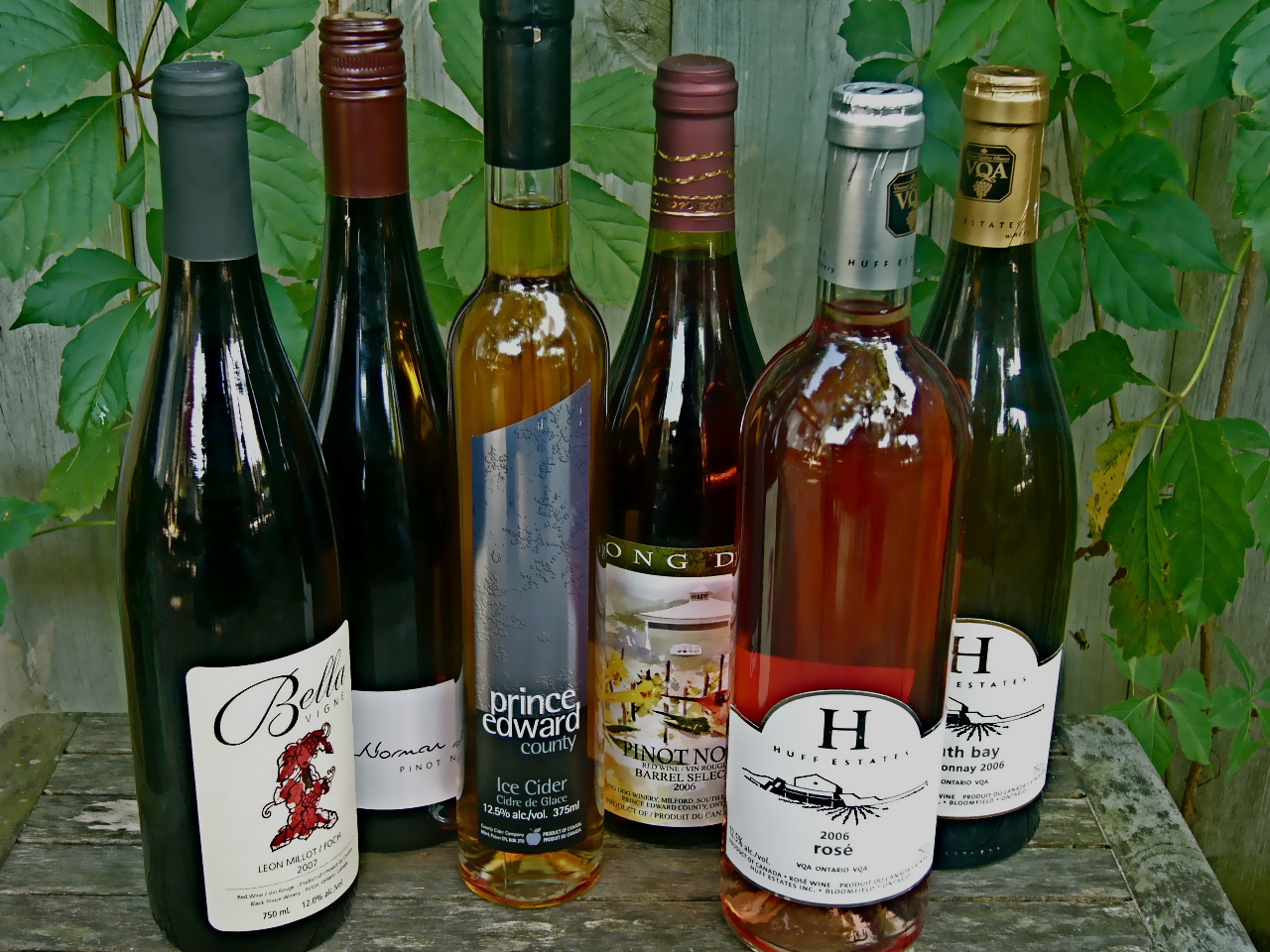
A selection of Prince Edward County wines

A selection of Prince Edward County wines

Many thanks to Dan and Jenn for their hospitality and for seeking out great places to visit.  Check out my recipe for Tomato Salad with Goat Cheese and Sherry Vinaigrette that was inspired by our Harvest dinner!

Ciao!

Trish


Kitchen Tip of the Week – How to Get Rid of Fruit Flies

8 09 2008


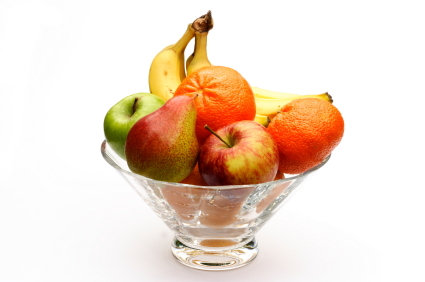
If you have a fruit bowl, you could be at risk for fruit flies!

If you have a fruit bowl, you could be at risk for fruit flies!


This week’s kitchen tip is not quite as appetizing as previous tips but it’s no less useful. Today I’m going to share with you my trick for getting rid of fruit flies.  Fruit flies are mysterious creatures – I never see them until there is older fruit around and then they multiply like crazy.  Where do they come from?  Are they hiding behind the fridge, waiting for fruit?   It’s as though the materialize right out of the fruit.  Anyway, I was away over the weekend and left some plums out in a bowl on the counter so now I have to get rid of them.  There are many different ways to do this but this is the technique that has worked for me:

How to Get Rid of Fruit Flies

1.  The first and most important step is to get rid of the offending fruit. They are attracted to old fruit and fruit juices, including alcohol. Refrigerate or throw out (if it’s past its prime) any fruit you have on the counter. Wash counters to make sure there is no sticky residue from fruit or spilled drinks. If you have a recycling bin in your house, make sure all bottles and cans are rinsed out before putting them in the bin so you don’t attract any unwanted pests.

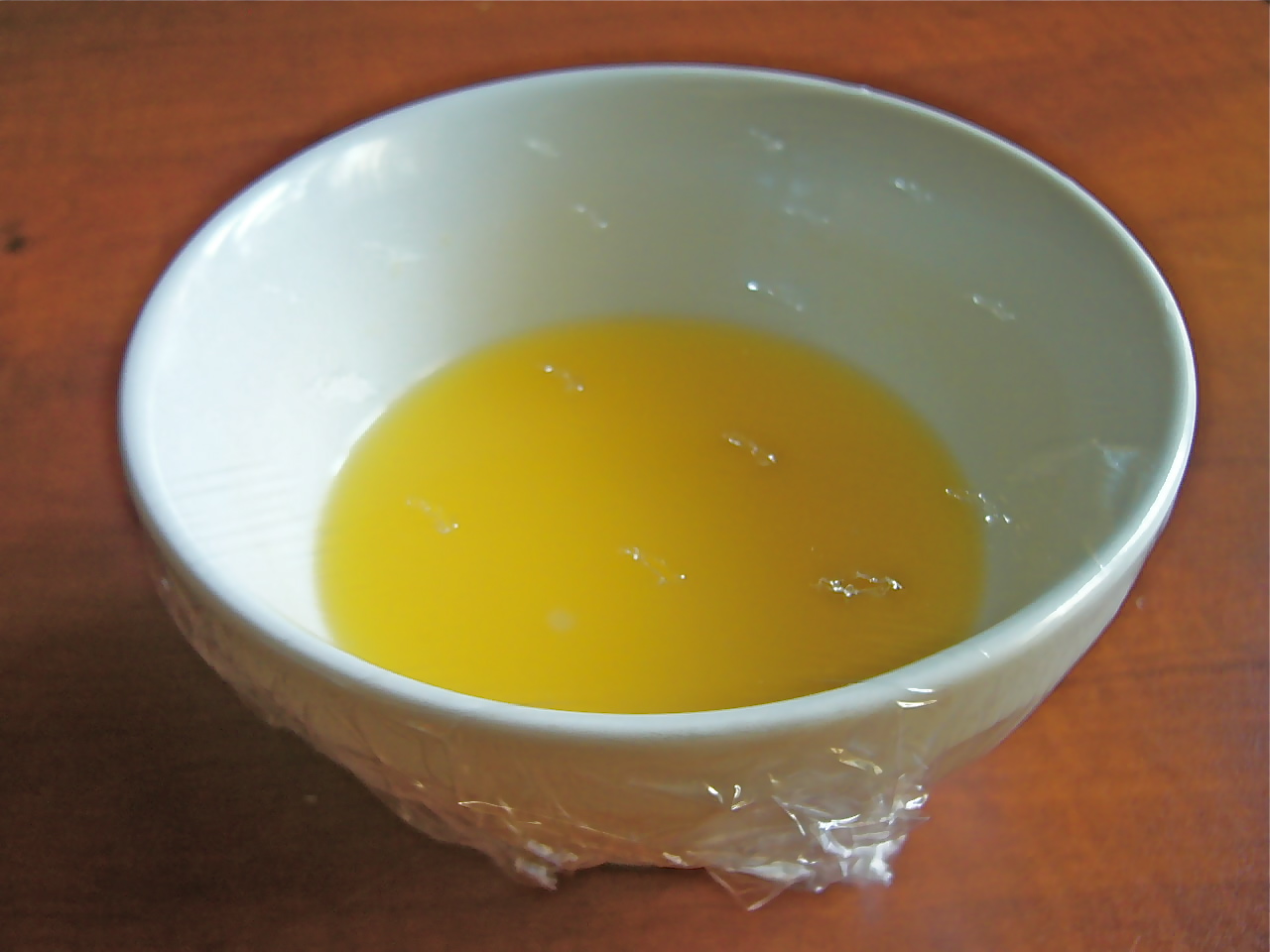
2.  Make a fruit fly trap:  Pour about half a cup of orange juice into the bottom of a small bowl.  Cover bowl tightly with saran wrap.  Poke some holes in the saran.  Leave out on the counter for a couple of days.  The flies will be attracted to the fruit juice but will get trapped under the plastic.  Within a short time, you should be able to get rid of them all.   


A easy way to get rid of fruit flies

An easy way to get rid of fruit flies


With all the fruit and berries that are in season now, you’re bound encounter a few flies. Yes, the whole thing is a bit disgusting but fruit flies are a fact of life and now you know how to deal with them.  Next week, I’ll return to showing you something delicious instead of pest control pointers!


Slow Roasted Tomatoes

4 09 2008

With tomato season in full swing, it’s the perfect opportunity to take advantage of their abundance by trying different tomato-based recipes.   This slow roasted tomato recipe was inspired by the Pomodoro Al Forno recipe that appeared in the September 2008 issue of Bon Appetit magazine.  I have adjusted the seasonings and simplified the technique so that you can just let them cook without having to turn them part way through.  The secret to success is ensuring that you cook the tomatoes long enough – if you do, the results are impressive.  I give a few suggestions of how to use them at the end of the recipe. 

This recipe can also be made in the winter with greenhouse plum tomatoes that you wouldn’t normally want to eat – the roasting process concentrates the flavour so the resulting flavour is sweet and vibrant.  

Slow Roasted Tomatoes

(VEGETARIAN)

  • 8 medium sized plum tomatoes, peeled and seeded  – See ‘How to Peel Tomatoes’
  • 1 Tablespoon chopped fresh oregano OR chopped fresh thyme
  • 1 large garlic clove, roughly chopped
  • 3/4 cup olive oil 
  • 3/4 teaspoon sea salt
  • 1 teaspoon sugar
  • 1-1/2 teaspoons balsamic vinegar
  1. Preheat oven to 250 degrees Fahrenheit
  2. Place peeled and seeded tomato halves in a large roasting pan, cut side up. Pour pour olive oil over tomatoes and ensure that oil covers the bottom of the pan.
  3. Sprinkle tomatoes with fresh chopped herbs, chopped garlic, sea salt, sugar and balsamic vinegar, making sure it is evenly distributed.
  4. Roast tomatoes for 2 hours.  Check on them at 2 hours for progress.  Continue cooking until they have collapsed and turned dark red, approximately 40 more minutes.  
  5. Serve with your favourite dishes.

Serving Suggestions

These tomatoes are very versatile.  You can basically use them anywhere you want a rich, concentrated tomato flavour, such as:

  • Tossed with your favorite pasta.  Add a bit of fresh oregano or basil and top with grated parmesan.
  • For an hors d’oeuvre at your next cocktail party: Cut a baguette into rounds.  Toast baguette slices and rub with a peeled garlic clove.  Spread a spoonful of ricotta cheese on each round and top with chopped roasted tomato
  • Layer tomatoes in a small baking dish.  Top with grated parmesan cheese and bake at 350 degrees Fahrenheit until cheese is bubbling and beginning to brown, approximately 20 minutes.  Serve as a side dish to grilled or roasted meats.
  • Place a couple of spoonfuls of roasted tomato inside a grilled cheese (try it with aged cheddar!).  
  • Top a homemade pizza with roasted tomatoes instead of your regular tomato sauce.
  • Compose a caprese salad with fresh buffalo mozzarella and basil.  This is a great idea in the winter when fresh tomatoes are less than stellar.
  • Use tomatoes in a lasagne – layer tomatoes with other roasted or grilled vegetables, such as zucchini, eggplant, mushrooms and tomatoes.
  • Just eat them on their own!  
  • Use your imagination – the possibilities are practically endless!
Slow Roasted Tomatoes

Slow Roasted Tomatoes

Bon Appetit and Enjoy!


Kitchen Tip of the Week – How to Peel Tomatoes (and Soft Fruit)

3 09 2008


It’s prime tomato season right now so many people are interested in canning them or making batches of sauce to preserve through the winter.  This method can also be used to peel soft fruit, such as peaches or plums.   

How to Peel Tomatoes (or soft fruit)

You’ll need:

  • Tomatoes or other soft fruit such as peaches or plums
  • A large bowl filled with ice water
  • A large stockpot, filled with water and brought to a boil
  • A sharp knife
  • A slotted spoon or colander


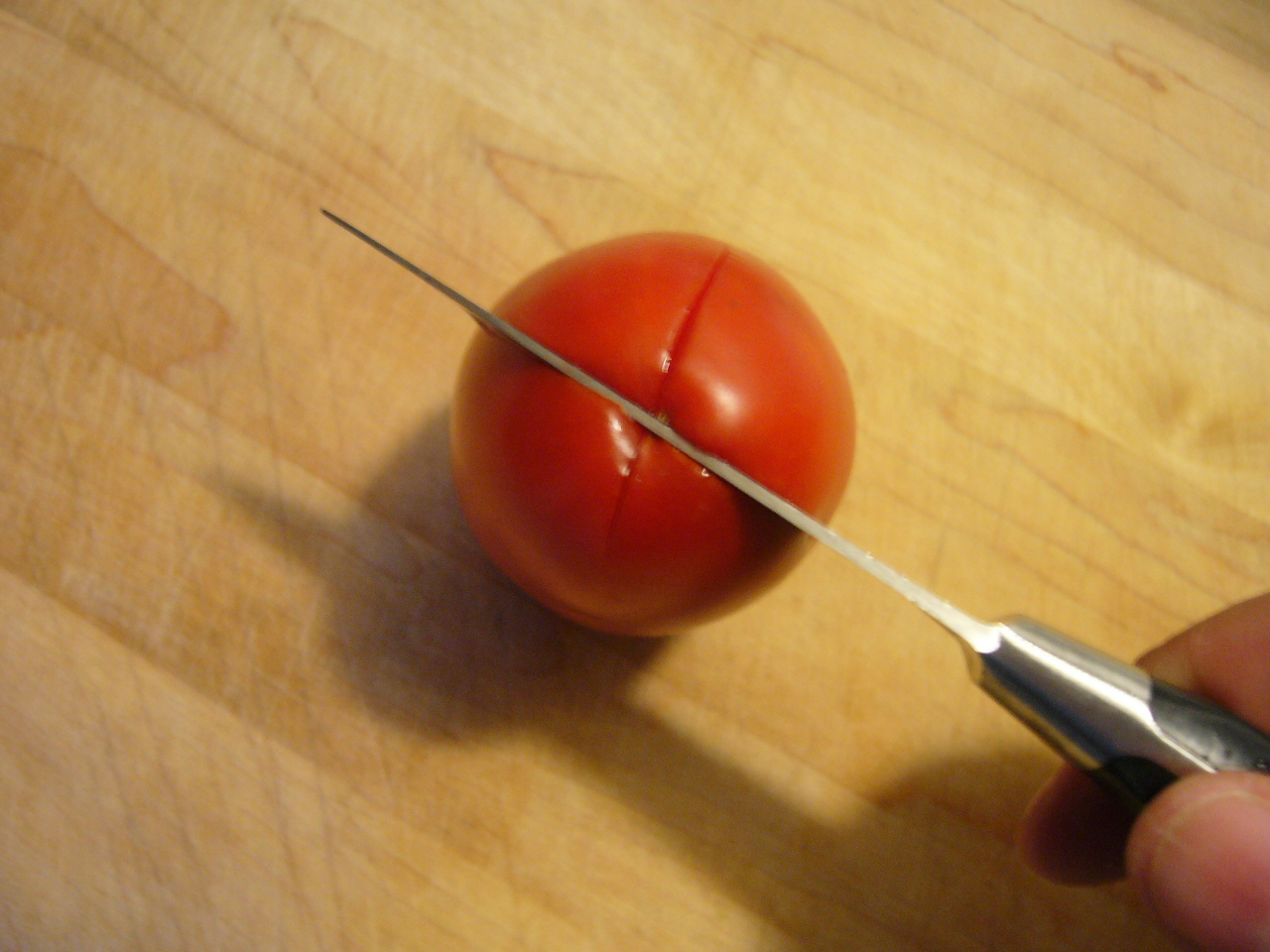
1. Cut an 'X' in the bottom of each tomato with a sharp knife, making sure you cut all the way through the skin
1. Cut an ‘X’ in the bottom of each tomato with a sharp knife, making sure you cut all the way through the skin


Place tomatoes in pot of boiling water for 40 seconds
2. Place tomatoes in pot of boiling water for approximately 40 seconds


3. Using a slotted spoon, remove tomatoes from boiling water and place them immediately into ice water
3. Using a slotted spoon, remove tomatoes from boiling water and place them immediately in ice water


4. Peel skin from the bottom of the tomato - it should pull off without any trouble
4. Peel skin from the bottom of the tomato – it should pull off without any trouble


5. Cut tomatoes in half.  Scoop out the seeds trim the stem end.  Your tomatoes are now ready to use!
5. Cut tomatoes in half. Scoop out the seeds trim the stem end. Your tomatoes are now ready to use!


Smoked Salmon and Cucumber Salad

29 08 2008

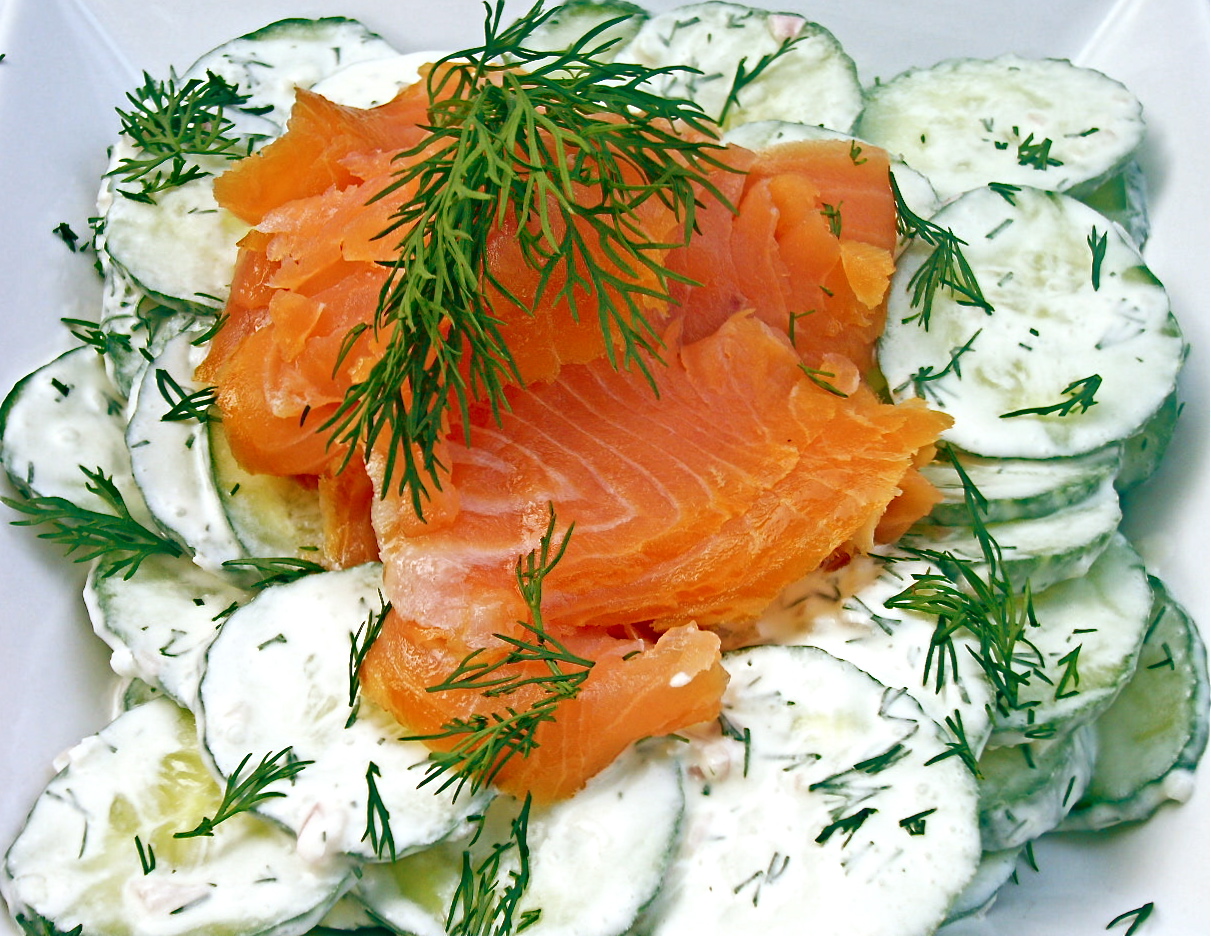
Smoked salmon, cucumber and fresh dill make a refreshing light lunch or first course on hot summer days. Although summer is winding down, cucumbers and dill are abundant right now so give it a try on the next warm day.  The cucumber salad is also a great side dish to grilled or roasted salmon.

Crème fraîche is a thick, aged cream.  Unfortunately, it can sometimes be difficult to find.  If you can’t get it for this recipe, you can used drained, plain yogurt or sour cream but adjust the seasonings because the flavour will not be quite the same.   It’s also possible to make your own. You can check out this link for more information on substitutions:

Crème Fraîche Substitute

Smoked Salmon and Cucumber Salad

The crème fraîche dressing can be made in advance but do not assemble the salad until just before serving because the cucumbers will start to give off liquid resulting in a soggy salad.

Makes 4 first course servings

  • About 5 oz. (140 g) smoked salmon
  • 1/2 cup crème fraîche (see note above for substitutions)
  • 2 Tablespoons shallot, finely minced
  • 2 teaspoons cider vinegar
  • 1-1/2 teaspoons sugar
  • 1/4 teaspoon salt
  • 2 Tablespoons chopped fresh dill, plus more for garnish
  • 1 large English (Burpless) cucumber, cut into slices about 1/4″ thick (about 2-1/2 cups)
  1. In a medium bowl, combine  crème fraîche, chopped shallot, cider vinegar, sugar salt and chopped dill.  Stir to combine thoroughly. Refrigerate until ready to use.  
  2. Just before serving, mix the cucumbers with the crème fraîche dressing and toss to coat.  Top with smoked salmon and garnish with fresh dill.  Can be served family-style or plated individually.

Bon Appétit and Enjoy!


Smoked Salmon and Cucumber Salad with fresh dill garnish


Zucchini Bread with Cream Cheese Frosting

28 08 2008


Zucchini is vegetable that a lot of people love to hate.  They grow very easily and by the end of the summer in farming areas, there are usually more zucchini than anyone can use!  Luckily it is very versatile – because it doesn’t have a strong flavour, it can be used in baked goods, pickles, savoury dishes or just eaten on its own.  

This bread is similar to a carrot cake.  The zucchini keeps the bread moist so the frosting is not necessary but it I urge you to try it because it really takes it over the top! The frosting can also be used on your favourite carrot cake as well.

Zucchini Bread with Cream Cheese Frosting

Makes 1 loaf 

(VEGETARIAN)

  • 1 cup cake and pastry flour (use all purpose flour if you don’t have it)
  • 1 teaspoon baking powder
  • 1/2 teaspoon baking soda
  • 1 teaspoon ground cinnamon
  • 1/2 teaspoon ground nutmeg
  • 1/2 teaspoon salt
  • 3/4 cup sugar
  • 2 eggs
  • 1/2 cup neutral vegetable oil, such as canola or safflower
  • 1/4 teaspoon vanilla extract
  • 1-1/2 cups grated zucchini (about 1-1/2 medium zucchini)
  • 1/2 cup raisins
  • 1/2 cup chopped pecans
  • Optional – Cream Cheese Frosting (see recipe below)
  1. Preheat oven to 375 degrees Fahrenheit.  Grease a standard size loaf pan with a neutral oil and set aside.
  2. In a large bowl, add flour, baking powder, baking soda, cinnamon, nutmeg, salt and sugar.  Stir until combined and spices are distributed throughout.
  3. In a separate small bowl, beat eggs vigorously with a whisk until they are frothy, about 30 seconds.  Add eggs to flour mixture.
  4. Add oil, vanilla and zucchini and mix until combined.  Add pecans and raisins and stir until combined.
  5. Pour batter into loaf pan.  Bake for about 45 minutes or until a knife inserted in the middle comes out clean.
  6. Let bread cool completely before adding frosting.


Cream Cheese Frosting

This is also perfect for carrot cake.  The recipe can easily be doubled.

Makes about 3/4 cup frosting (can easily be doubled)

  • 4 oz. cream cheese (1/2 of a block), softened
  • 1 cup icing sugar
  • 4 teaspoons neutral oil, such as canola or safflower
  • 1/4 teaspoon salt
  1. Add all ingredients to a large bowl.  Using a stand mixer with whisk attachment or with a hand mixer, beat ingredients until smooth, approximately 5 to 7 minutes.  
  2. Spread generously over cooled bread or your favourite cake.
Zucchini Bread with Cream Cheese Frosting, cut into slices

Zucchini Bread with Cream Cheese Frosting, cut into slices

Bon Appetit and Enjoy!


Kitchen Tip of the Week – How to Remove an Avocado Pit

26 08 2008

This week I’m going to demonstrate how to pit an avocado.  Avocados make a great accompaniment to Mexican and Latin inspired dishes which are perfect for summer meals.  I also enjoy sliced avocado in salads or sandwiches.  As a bonus, I have included a recipe for guacamole.  Pour yourself a margarita, whip up some guacamole and enjoy with your favourite corn chips!

How to Remove an Avocado Pit

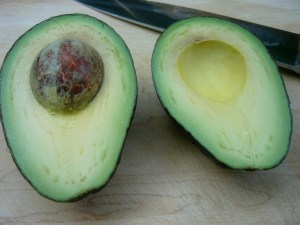
1. Slice avocado lengthwise all the way around, cutting through to the pit


2. Twist the two halves and gently pull apart


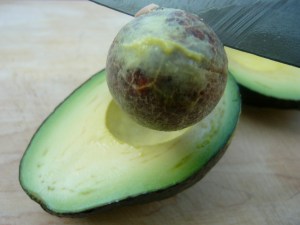
3. Using a very sharp, large knife, carefully sink blade into the pit (you can also pry the pit out with a spoon)


4. Twist knife and pull pit out


5. Et voila - you are now ready to scoop out the avocado flesh or cut it into a dice


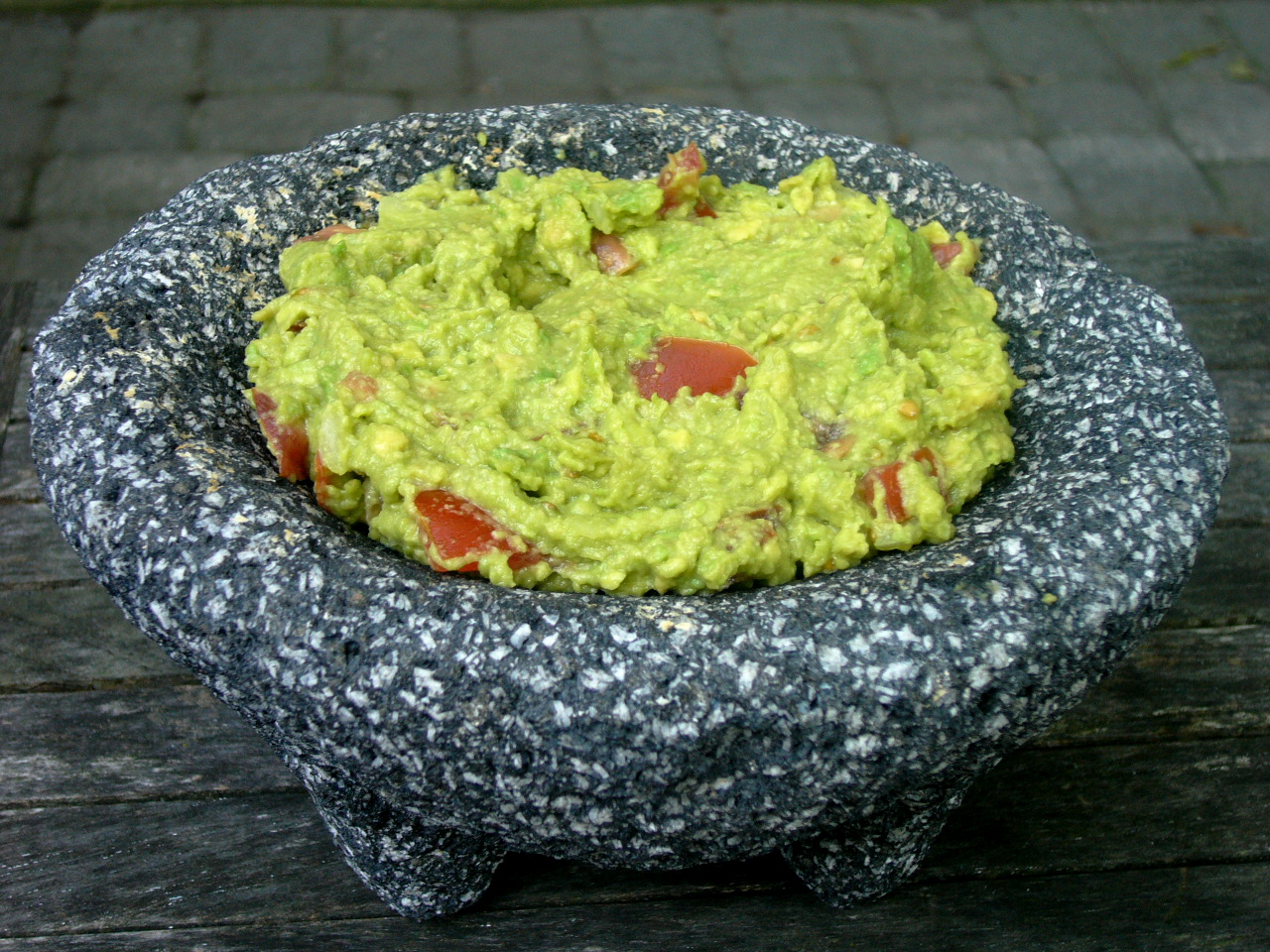
Guacamole is traditionally made in a molcajete – a large stone bowl with a stone masher that looks like a mortar and pestle set.  However, it is certainly not nessecary to make decent guacamole and you can easily make it in a bowl by mashing the avocado with a fork.  Haas avocados are the most readily available variety. Look for ones that are very dark green (almost black) and soft to the touch so they mash easily.

Guacamole

 Makes about 1 cup – can easily be doubled

(VEGETARIAN)

  • 1 very ripe Haas avocado, pitted (see above)
  • 1 Tablespoon finely diced onion
  • 1/3 cup diced tomato (about 1 small tomato)
  • 1/4 hot sauce such as Tabasco (or more, to taste)
  • 2 teaspoons fresh lime juice
  • 1/4 teaspoon salt
  • 1/2 garlic clove, finely minced – optional (purists would probably not use garlic but I like it)
  • Optional: you can add a bit of chopped fresh cilantro but I usually leave it out because a lot of people dislike the flavour of cilantro!
  1. Pit avocado as detailed above.  Spoon the flesh out of each half into a medium sized bowl.
  2. Lightly mash the avocado with a fork.  Add remaining ingredients and continue to mash the mixture until everything is combined and it is the desired consistency (some people like it very smooth while others prefer it a bit chunky).  
  3. Adjust seasonings to taste and serve with your favourite dishes.


Bon Appetit and Enjoy!


Guacamole, served in a molcajete

Guacamole, served in a molcajete


Tomato Tart with Herbed Ricotta

21 08 2008

Because tomato season is so short, I’m trying to make as many tomato recipes as possible before they’re gone and we’re stuck with tasteless imports again.  I visited the farmer’s market today and picked up a variety of different tomatoes from plum to miniature heirlooms.   The plum tomatoes didn’t really look that great so I was pleasantly surprised when I tasted one and discovered that they were sweet and flavourful.

For this recipe, it’s important to use plum tomatoes because they have less liquid inside and won’t make the dough soggy.  It’s also imperative that you slice them very thinly or they won’t cook properly.  A mandoline is the best tool but a very sharp knife will also work.  You could serve small squares of this as an appetizer or serve larger portions with a salad for a main dish.

Tomato Tart with Herbed Ricotta

Makes approximately 8 appetizer sized servings

(VEGETARIAN)

  • 1/2 package of puffed pastry, thawed
  • 1-1/2 cups thinly sliced plum tomatoes – approximately 6 plum tomatoes, sliced 1/8″ thick
  • 1 cup ricotta cheese
  • 1/4 teaspoon salt
  • 2 teaspoons finely chopped fresh oregano + extra for garnish
  • 1/2 teaspoon finely chopped fresh thyme
  • 1/2 teaspoon finely chopped fresh Italian parsley
  • 1 clove garlic, finely minced
  • 2 Tablespoons freshly grated parmesan cheese
  • Sea salt


  1. Preheat oven to 425 degrees Fahrenheit.
  2. In a medium sized bowl, mix together ricotta, garlic, 2 teaspoons oregano, thyme, parsley, 1/4 teaspoon salt and parmesan cheese.  Stir to combine thoroughly. Set aside.
  3. Roll puff pastry out to a rectangle about 9″ X 12″.
  4. Spread ricotta evenly over dough.  Top ricotta with tomato slices (some tomatoes may be overlapping or doubled).
  5. Sprinkle tomatoes with sea salt and fresh oregano.
  6. Bake tart for 20 to 25 minutes or until pastry is golden brown along the edges and on the bottom. Cut into squares to serve.  Tip: a round pizza cutter is a good way to cut the tart cleanly but a sharp knife will work as well. 

Bon Appetit and Enjoy!

p1010158


Caprese Salad

19 08 2008

Caprese Salad (Insalata Caprese in Italian) is a classic summer salad that is very simple to put together.  The key to success with this salad is to use the very best ingredients you possibly can.  When you use tomatoes at their peak, good quality mozzarella and olive oil and fresh picked basil, it’s truly a special dish. However, if you use sub-par ingredients and poor quality tomatoes, it can be pretty mundane.  Save it for summertime – it just won’t be the same with January’s tomatoes!

This is not really even a recipe, just some guidelines on what to use for the best result.  I have shown some suggestions on how to compose your salad: stacked, as a chopped salad, layered on a platter or as stuffed tomatoes.  You could also toss the ingredients with pasta or layer them in a baguette for a refreshing summer sandwich.

Insalata Caprese 101

(VEGETARIAN)

Ingredients:

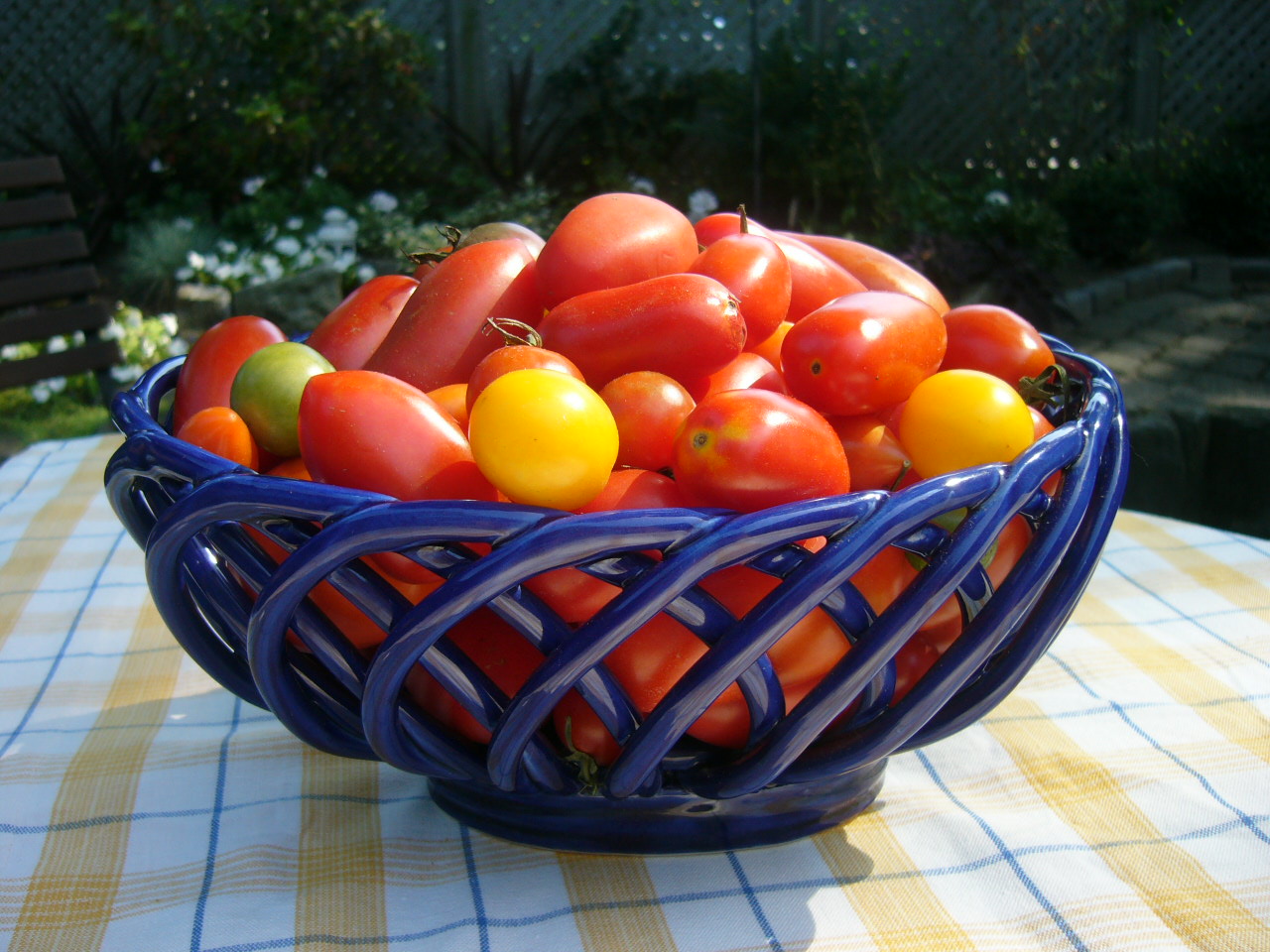
  • Ripe tomatoes, in the prime of their season.  Any type of tomato that is top quality will do – heirlooms are good, as are plum tomatoes, cherry tomatoes and cocktail tomatoes.
Tomatoes

Tomatoes

  • Fresh mozzarella – Buffalo mozzarella is preferable but cow will also work.  The best kinds can usually be found at a good cheese counter or shop and are kept in liquid.  Ask your cheesemonger for recommendations.  Avoid pre-packaged block mozzarella from the supermarket as it does not have the same flavour or texture.
  • Fresh Mozzarella Balls

  • Extra virgin olive oil – A decent olive oil is essential.  I typically use ones from Tuscany or Spain.


Extra Virgin Olive Oil

Extra Virgin Olive Oil


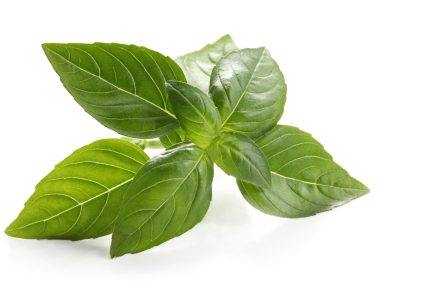
  • Fresh Basil.  The fresher the better, preferably from your own herb garden.  Don’t even think about using dried basil from a jar!
Fresh Basil

Fresh Basil


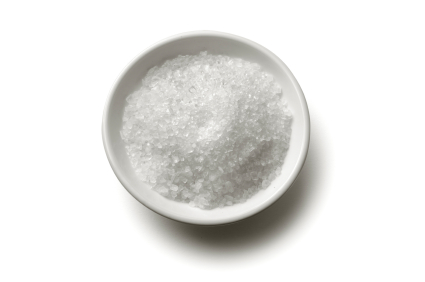
  • Sea Salt.  This adds the finishing touch and a salty crunch to your salad.
Sea Salt

Sea Salt


Putting it All Together

Now that you’ve assembled your ingredients, you can compose you salad however you choose.   Typically the tomatoes, basil and cheese are layered and then sprinkled with salt and drizzled with olive oil.  How you assemble your salad may depend upon the occasion:

Stacked

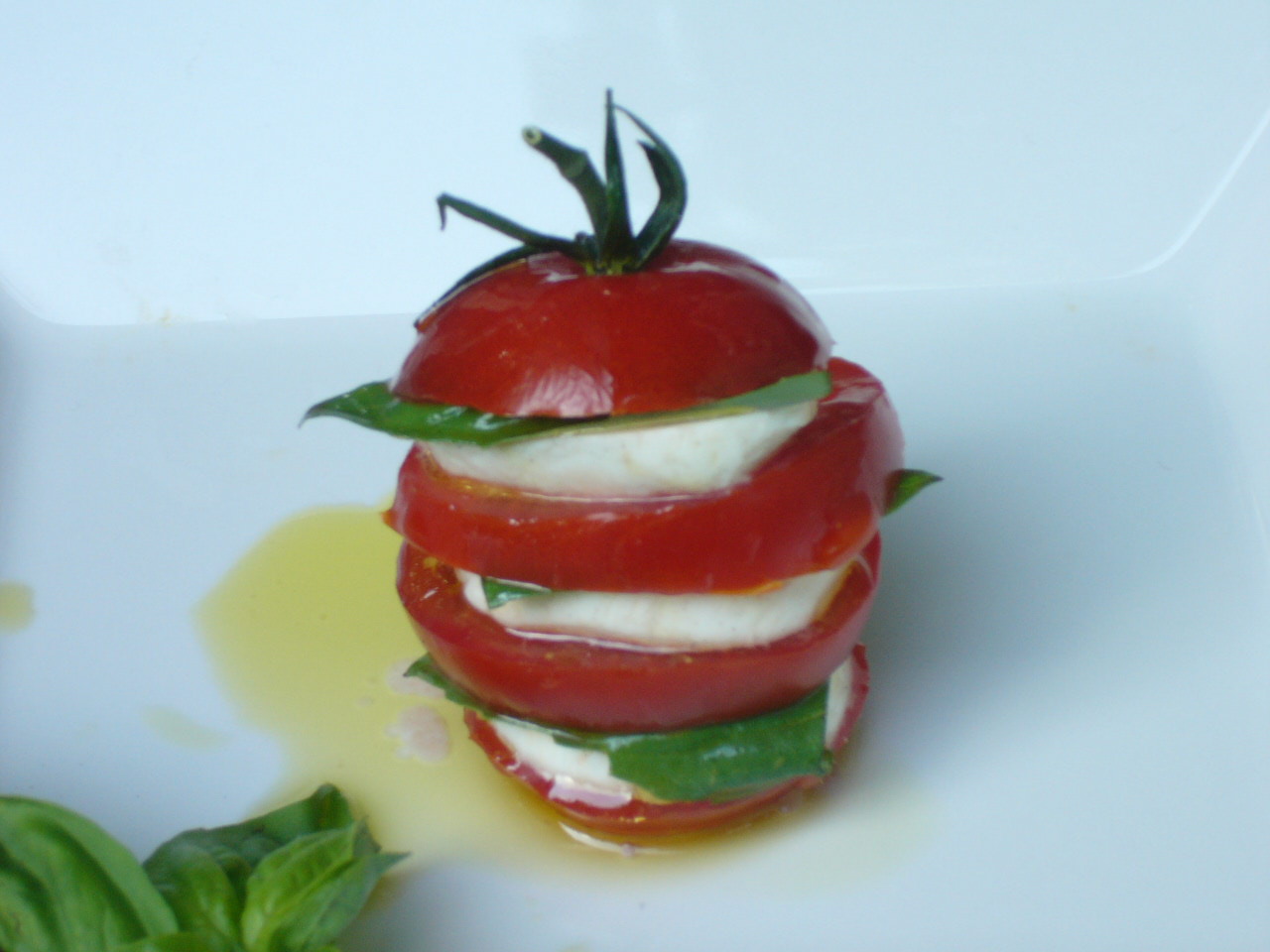
This is an impressive presentation for an elegant first course at a dinner party.  Slice a tomato into rounds, leaving the ‘lid’ in tact.  Slice a very thin sliver off the bottom piece so the tomato will sit upright without rolling over.  Layer a slice of tomato, a slice of mozzarella, a basil leaf and repeat for all tomato slices. Drizzle with olive oil and sprinkle with sea salt.

'Stacked' Caprese Salad

'Stacked' Caprese Salad


Chopped

This is the quickest way to put together a caprese salad and is excellent for family style dinners.  Cut up tomatoes and mozzarella into chunks, chop up some basil leaf (see primer on How to chop herbs ) and drizzle with olive oil.  Sprinkle with sea salt and toss everything together in a large bowl.  Garnish with a basil leaf.

'Chopped' Caprese Salad

'Chopped' Caprese Salad


Layered 

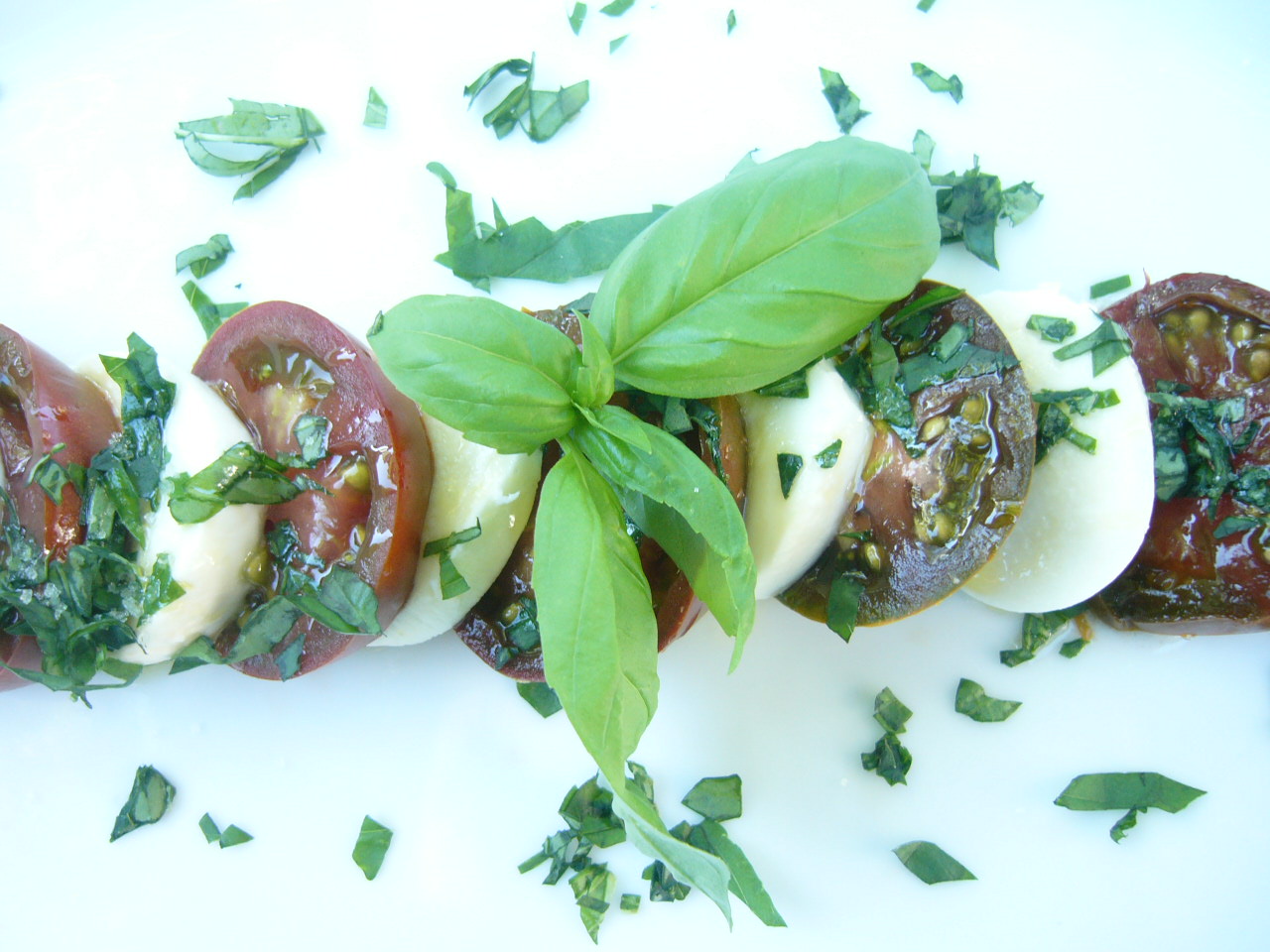
This is another good way to present the salad for buffet or family style dining.  Layer slices of tomato with the cheese and basil slivers.  Drizzle with olive oil and sprinkle with salt.  Garnish with a basil leaf.

"Layered" Caprese Salad (made with heirloom tomatoes - they look green but are actually ripe)

'Layered' Caprese Salad (made with heirloom tomatoes - they look green but are actually ripe)


Stuffed

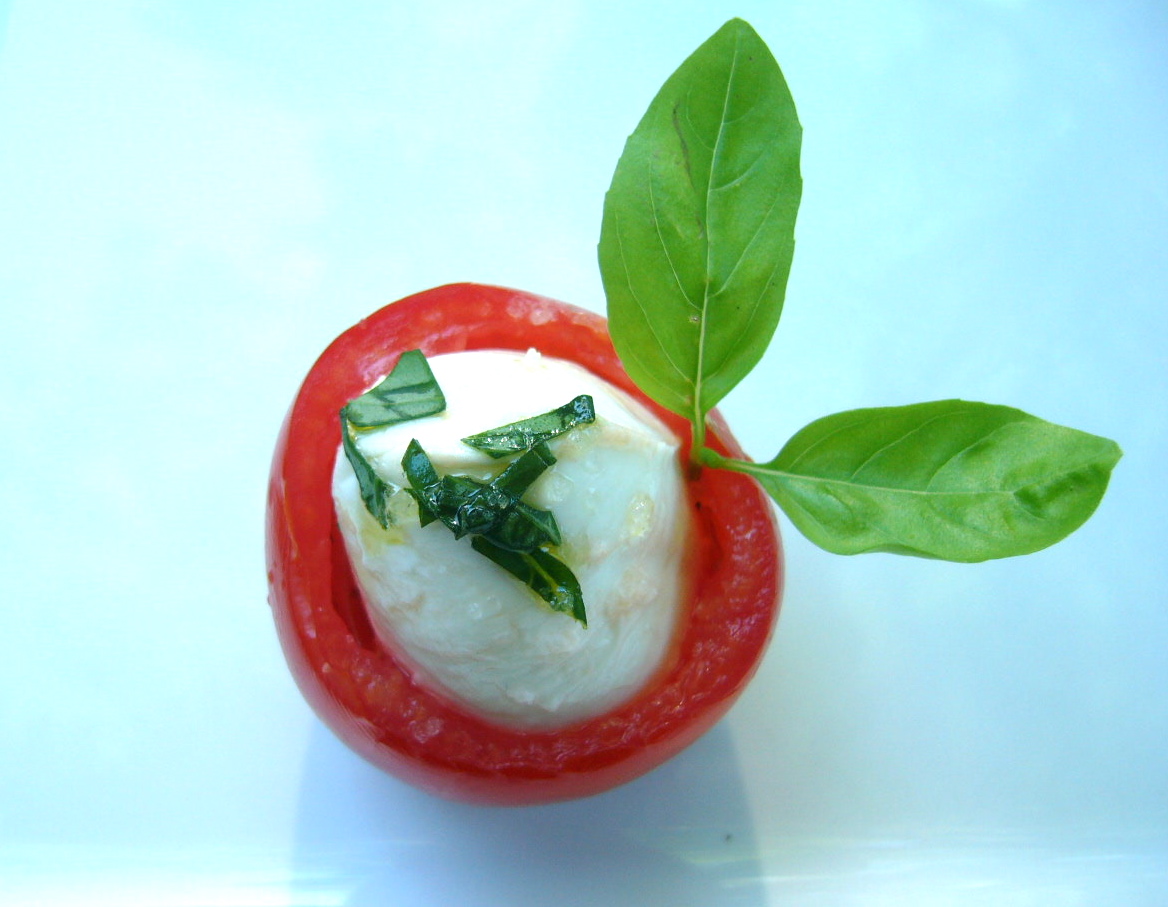
For cocktail parties, stuffing the tomato with the cheese and basil makes the perfect one-bite finger food.  Cut the top 1/4 off the top of a small cocktail or grape tomato.  Scoop the seeds and pulp out from inside and discard. Cut the mozzarella into small chunks and wrap each piece in basil leaf.  Stuff the mozzarella into the hollowed out tomato.  Drizzle stuffed tomatoes with oil and sprinkle with salt.

"Stuffed" Caprese Salad

'Stuffed' Caprese Salad


Bon Appetit and Enjoy!


Kitchen Tip of the Week – How to Chop Fresh Herbs

18 08 2008

Starting today, each week I’m going to pass along some of my favourite kitchen tips, from chopping fresh herbs to removing the casing from sausage.  Enjoy!

Chopping Leafy Fresh Herbs

When chopping leafy fresh herbs such as basil or sage, take all of the leaves and stack them together.  Roll the leaves up tightly, as though rolling a cigar.  Place on the cutting board and slice thinly.  Chop up the slices to the size required.  This technique is called chiffonade.