How to Serve Burrata

15 12 2010

Creamy burrata drizzled with olive oil and served with toast rounds is sure to impress at your next party

We’re in the middle of the holiday entertaining season and no party is complete without a cheese board.  Why not move beyond the usual brie/cheddar/blue cheese and splurge on something special?  Burrata is a fresh mozzarella ball filled with rich cream. It’s decadent, delicious and perfect for impressing your friends.  Until recently, burrata was only produced in Italy but a number of cheese makers in Canada and the United States are now making it domestically.

Check out an article I wrote about where to buy and how to serve burrata: How to Serve Burrata (Fresh Mozzarella Cheese from Puglia, Italy).

Bon Appétit and Enjoy!

Get updates from The Seasonal Gourmet on Facebook and Twitter.  Join the conversation today!


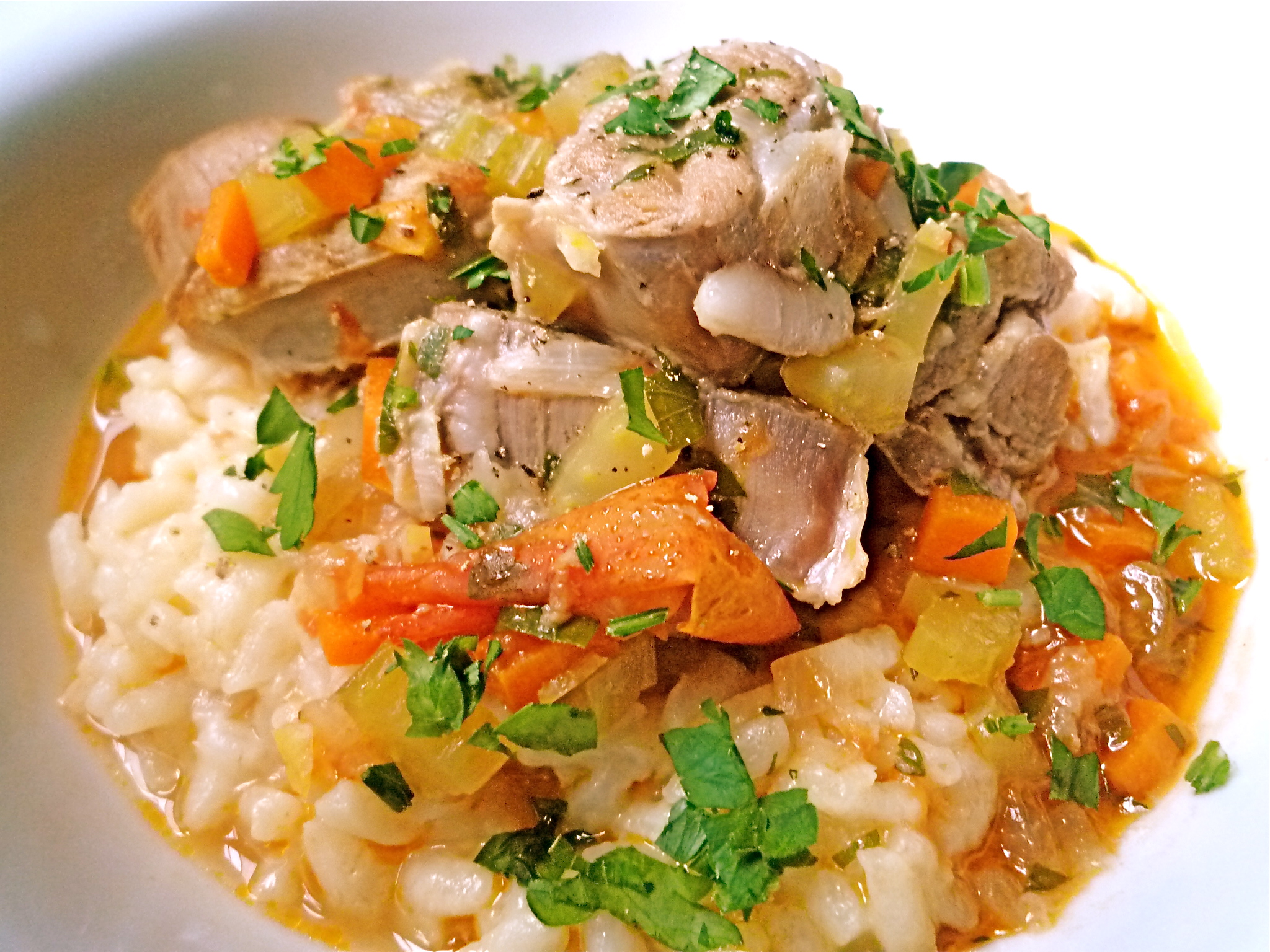
Steve’s Osso Bucco

13 12 2010

Osso bucco (braised veal shanks) + risotto = the perfect cold weather meal.

It’s mid-December and in many areas the weather has taken a turn for the grim.  The days are short and dark and curling up with a cup of tea in front of the fire is a very appealing prospect.  What could be more delicious for dinner than a hearty braise, served over creamy risotto?

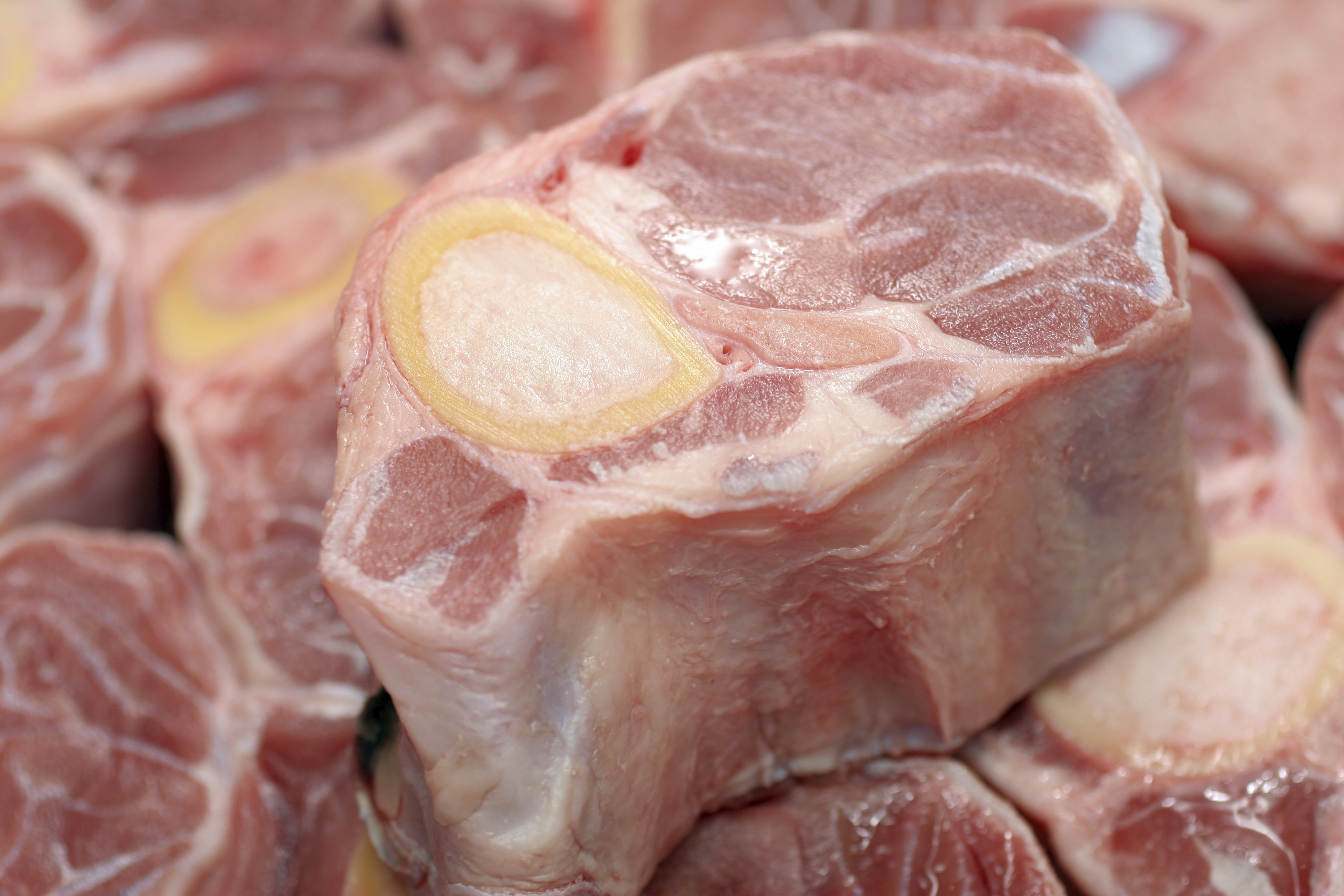
Any good butcher should be able to get veal shanks for you. Be sure to ask if you don't see any on display.

Osso bucco are Italian veal shanks and my friend Steve makes the best version I have ever had (it’s even better than the one I tried at Babbo restaurant in NYC!).  Luckily he gave me the recipe so now I can make it whenever I please.  It’s ideal for cold winter nights when you don’t want to fuss because it’s easy to put together and most of the cooking time is unattended.  Any good butcher should be able to get you veal shanks so ask for them if you don’t see them on display.

Tip: Don’t skip the gremolata – it brings all of the flavours together.

Steve’s Osso Bucco

Makes 6 servings

  • 1/2 cup flour
  • 1/2 teaspoon salt
  • 1/2 teaspoon ground pepper
  • 6 veal shanks (osso bucco)
  • 2 Tablespoons olive oil
  • 3 Tablespoons unsalted butter
  • 2 medium red onions, diced
  • 4 stalks of celery, diced
  • 1 bottle (750 ml) dry white wine
  • 3 cups (700 ml) chicken stock
  • 14 fl. oz. can San Marzano tomatoes with juice (or half of a large can)

Gremolata:

  • 1 large clove of garlic, finely minced
  • 3 Tablespoons finely chopped Italian (flat leaf) parsley
  • The rind from 2 lemons (yellow part only), finely diced
  1. In a large bowl, add the flour, salt and pepper and stir to combine thoroughly.  Roll each of the veal shanks in the flour, making sure they are coated on all sides.  Shake off any excess flour and set the shanks aside on a plate.  Discard any leftover flour.
  2. In an enameled cast iron pot (5.5 quart or larger) or other large pot with a lid, heat the olive oil on medium-high heat. Add the veal shanks to the oil, making sure they are not crowded in the pot (work in batches if necessary).  The shanks will take about 3 to 4 minutes per side to brown.  Use tongs or a fork to turn them over.
  3. Remove the browned shanks from the pot and set aside.  Add the butter to the pot and heat until melted.  Add the chopped onion, celery and carrots. Reduce the heat to medium-low and sauté until the vegetables are softened, about 7 to 8 minutes.  Stir occasionally to prevent burning.
  4. Turn the heat back to medium-high and pour in the wine, chicken stock and tomatoes.  Break up the tomatoes with a spoon and bring the mixture to a gentle simmer.  Return the veal shanks to the pot and use one of the following methods to finishing cooking:
  5. Stovetop Method: Cover and simmer for 2 to 4 hours on medium-low heat, until the meat is tender.  Do not let the mixture come to a boil.  OR use the Oven Method: Heat the oven to 325 degrees Fahrenheit.  Cover the pot and place in the oven, cooking for 3 hours or until the shanks are tender.
  6. To Make the Gremolata: In a small bowl, add the chopped garlic, parsley and lemon rind and stir to thoroughly combine.
  7. Stir the gremolata into the osso bucco sauce just before serving.
  8. Serve the shanks and sauce over risotto milanese.  Garnish with chopped fresh parsley if desired.

A Delicious Tip: The bone marrow at the centre of each cooked shank can be seasoned with sea salt and scooped out with a small spoon.  Serve with toast rounds if desired.

Bon Appétit and Enjoy!

Get updates from The Seasonal Gourmet on Facebook and Twitter.  Join the conversation today!


Sablefish with Caramelized Fennel and Cherry Tomatoes

30 11 2010

Sablefish (aka Black Cod) with Caramelized Fennel and Cherry Tomatoes is a flavourful, lighter option.

The holiday season is upon us and with it comes parties, festive meals and general overindulgence.  Why not lighten up with a pan-roasted fish dish that doesn’t sacrifice flavour?

Sablefish is more commonly known as black cod.  It has become popular in the past few years because it is both sustainable and delicious.  Nobu restaurant popularized sablefish in their iconic dish, Black Cod with Miso, which has been copied by restaurants across North America (with good reason – it’s delicious).  Preparing the fish with fennel, cherry tomatoes and a lightly herbed crust gives it a Mediterranean twist.

Sablefish should be available at well-stocked fishmongers under the name sablefish, sable, butterfish or black cod.

To get the recipe from Suite 101.com, click here: Sablefish with Caramelized Fennel and Cherry Tomatoes.

Bon Appétit and Enjoy!

Get updates from The Seasonal Gourmet on Facebook and Twitter.  Join the conversation today!


Pumpkin Cream Puffs with Maple-Caramel Sauce

23 11 2010

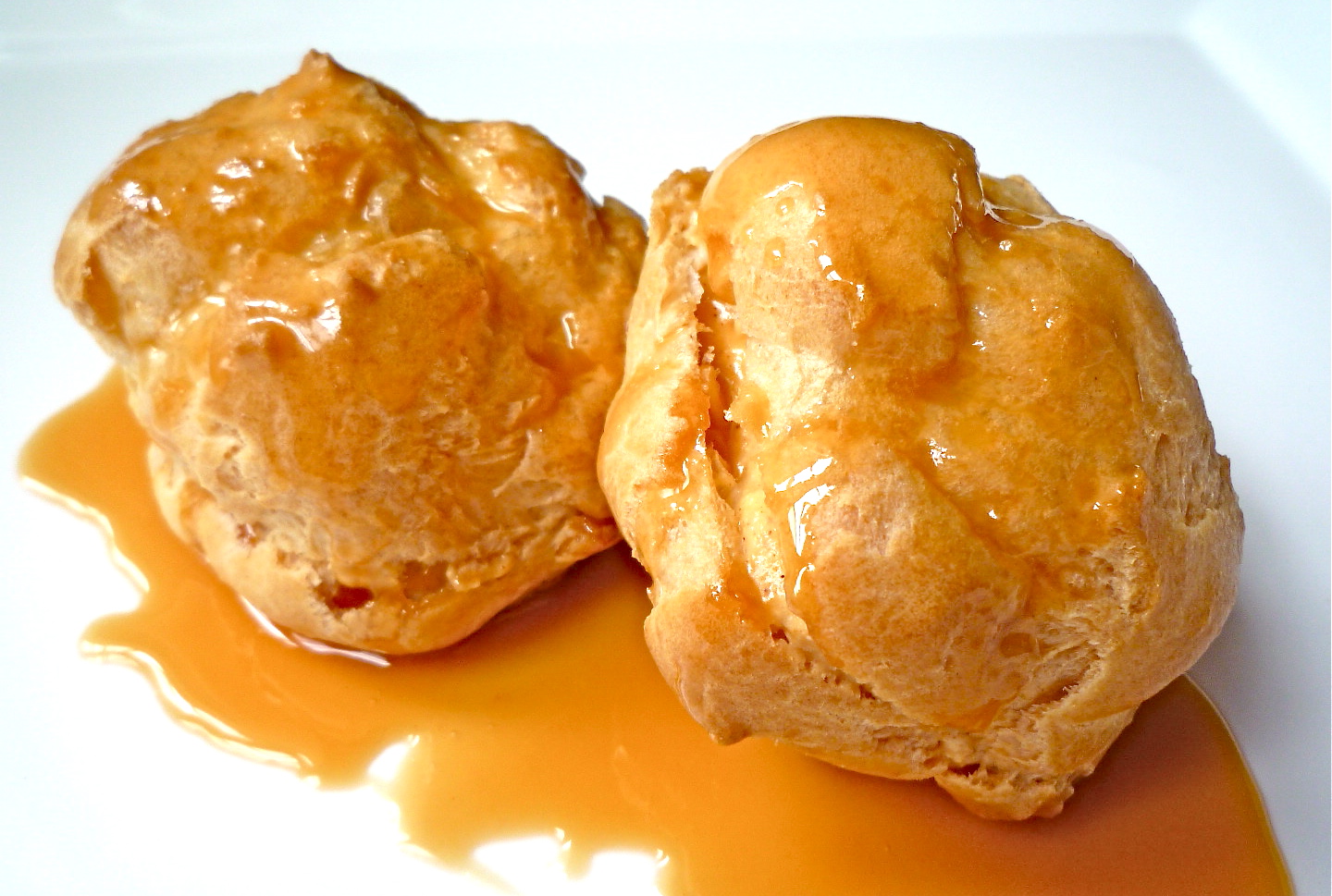
Cream puffs (a.k.a. profiteroles) filled with a spiced pumpkin cream and topped with a buttery maple-caramel sauce.

When I want to make an autumn dessert, I think about seasonally appropriate ingredients such as apples, pears, caramel and of course, pumpkin.  Pumpkin pie is a staple at most Thanksgiving tables and spiced pumpkin is popular in everything from lattes to ice cream. As a bonus, scientists have long known that the scent of pumpkin pie is an aphrodisiac so it’s the perfect finale to a romantic dinner.

If you’re looking for something a little different from pie, these cream puffs (a.k.a. profiteroles) fit the bill perfectly.  The pumpkin-cream filling has all the flavours of classic pumpkin pie and the maple-caramel sauce is a decadent and delicious topping (which is also great on ice cream!).  The recipe has a number of steps but none are difficult and everything can be prepared in advance and assembled at the end of the meal.

Click here to see the recipe from Suite 101.com: Pumpkin Cream Puffs with Maple-Caramel Sauce.

Bon Appétit and Enjoy!

Get updates from The Seasonal Gourmet on Facebook and Twitter.  Join the conversation today!


Roasted Green Beans with Shallots

17 11 2010

Roasting green beans with shallots is a fresh alternative to heavy soup-based casseroles.

American Thanksgiving is next week and a favourite at many tables is Green Bean Casserole.  Made with canned soup and topped with fried onions, unfortunately it’s loaded with calories and sodium.  Lighten up with a delicious dish of roasted green beans and shallots, finished with sea salt and a squeeze of lemon.  These beans are also vegan-friendly and gluten-free so everyone at the table can enjoy a taste. Even if you’re not celebrating Thanksgiving, they make an excellent side dish for roast beef and chicken.

Strictly speaking, green beans are at their peak in the summer, however, they are greenhouse-grown and readily available throughout the year at most grocery stores. Do not use frozen beans as they have a different texture.  Tip: When slicing the shallots, be sure the rings are quite thick (about 1/4″) or they will burn before the beans are done.

Roasted Green Beans with Shallots

Makes about 4 side dish servings – can easily be doubled

  • 12 oz. (340 g) fresh green beans, ends trimmed – equals about 3 cups of beans
  • 2 small shallots, cut into rings about ¼” thick
  • 4 teaspoons neutral oil, such as canola or safflower
  • Parchment paper to line baking sheet or pan
  • 1 lemon, cut into wedges
  • Sea salt, to taste
  1. Preheat oven to 475 degrees Fahrenheit. Place the baking rack in the middle position in the oven.
  2. In a large bowl, toss green beans with shallots and oil until they are lightly coated. Cut a piece of parchment paper to the same size as the bottom of a roasting pan or rimmed baking sheet. Line the sheet and pour the bean/shallot mixture onto it, making sure they’re in a single layer.
  3. Roast the beans for 10 minutes. Check on them at this point – if the shallots and beans are becoming very brown, remove them from the oven. Otherwise, roast for another 5 minutes until the beans are beginning to char around the edges.
  4. To serve, season with sea salt and a squeeze of fresh lemon juice.

Copyright Trish Coleman. Please contact the author to obtain permission for republication.

Bon Appétit and Enjoy!

Get updates from The Seasonal Gourmet on Facebook and Twitter.  Join the conversation today!


Mussels with Leek-Cream Sauce

11 11 2010

Mussels make an easy, versatile and inexpensive meal.

A feast of mussels is one of the cheapest and easiest meals you can make.  For less than $10 and 15 minutes of your time, you can have a big pile of tasty mussels to share.  Serve with fresh bread or toast to mop up the delicious sauce.

Preparing Mussels for Cooking

Many of the mussels found in Canada and the U.S. come from Prince Edward Island. They should be easy to find at fish markets and the fish department of most grocery stores. They’re very easy to cook, however, there are a few guidelines to follow for safe handling:

  • Discard any mussels with cracked or broken shells.
  • Rinse the mussles in cold water and pluck off any ‘beards’ that are present on the shell. The ‘beard’ is a moss-like growth that keeps the mussel attached when it is growing in the water. Soak the mussels for about 15 minutes in a large bowl of cold water to ensure they are clean and free of grit.
  • Make sure all mussel shells are tightly closed before cooking. If a shell is slightly open, give it a light tap on a hard surface – if it doesn’t close up, the mussel may be dead and it should be discarded.
  • Mussels need to steam for about 10 minutes to fully cook and their shells will open once they’re done. Inspect cooked mussels before serving and throw away any that do not open. Do not force closed shells open – this is an indication that the mussel is dead and may cause illness if consumed.

Mussels in a Leek Cream Sauce

Makes about 50 mussels

This recipe should make plenty for two to four people (depending on whether it’s a starter or main).  You can easily double or triple the recipe if you have a big enough pot.

  • 2 lbs. (907 g) mussels, cleaned and inspected (see instructions above)
  • 4 medium or 3 large leeks, white and light green parts only
  • 2 Tablespoons neutral oil, such as canola or safflower
  • 1 clove garlic, chopped
  • 1 Tablespoon chopped fresh thyme or 1-1/2 teaspoons dried
  • 1 cup dry white wine
  • 2 Tablespoons tomato paste
  • ½ cup whipping cream
  • Salt and pepper, to taste
  • Chopped thyme or parsley to garnish – optional
  1. Trim the leeks of any roots and tough green tops. Slice them lengthwise down the middle and run under cold water to ensure any sand is rinsed from their layers. Pat the leeks dry and cut into thin ‘rings’, about ¼” thick.
  2. In a large stockpot with a lid, heat the oil on medium-high heat. Add the chopped leeks and let cook until they begin to soften, about 5 minutes. Add garlic and thyme and let cook for another minute, stirring occasionally.
  3. Pour in the wine and stir the tomato paste into the mixture until thoroughly combined. Dump in the cleaned mussels.
  4. Put the lid on the pot and let the mussels steam for 10 minutes. Check on them after 10 minutes and if a lot of the shells are still closed, let them steam for another 2 minutes.
  5. Remove pot lid and stir in the cream. Discard any shells that haven’t opened. Season with salt and pepper and pour the mussels and sauce into a large bowl. Garnish with chopped parsley or thyme if desired.
  6. Serve the mussels with fresh toast or bread to mop up the sauce or with homemade frites, if you’re feeling ambitious.

Bon Appétit and Enjoy!

This article first appeared on Suite 101.com.


Stuffed Butternut Squash

2 11 2010

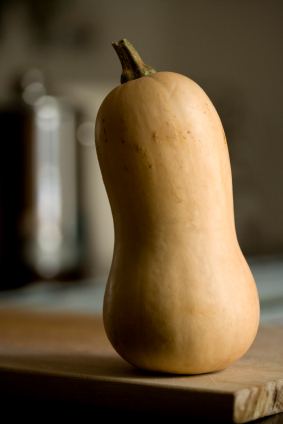
Butternut squash can be stuffed to make an elegant vegetarian dish

My brother-in-law Dan is a vegetarian so I’m always trying to come up with interesting dishes so he’ll have something special to enjoy at Thanksgiving and Christmas.  I enjoy the challenge and it encourages those of us who eat meat to try some new dishes as well.  I made this butternut squash stuffed with wild rice and herbs last year and it was a hit.  It makes quite a bit so you should have plenty to serve as either a vegetarian main course or as a side dish.  It is delicious with pork, chicken or turkey. I can easily be adapted for vegans- just follow the substitutions at the end of the recipe.

Stuffed Butternut Squash

(VEGETARIAN)

Makes about 8 to 10 servings as a side dish or 4 to 6 servings as a main course

  • 1 medium butternut squash
  • 2 teaspoons neutral oil such as safflower

Stuffing:

  • ½ cup raw wild rice
  • ½ cup raw white rice
  • 2 cups vegetable stock
  • ½ medium onion, finely diced
  • ½ cup red pepper, finely diced (about ½ a large pepper)
  • 2 cloves garlic, finely minced
  • 2 Tablespoons finely chopped fresh sage leaves
  • ½ teaspoon finely chopped fresh rosemary
  • 1 teaspoon finely chopped fresh thyme
  • 2 Tablespoons melted butter OR margarine OR oil such as safflower or olive
  • Salt and pepper, to taste
  • ½ cup finely grated parmesan cheese
  1. Preheat oven to 425 degrees Fahrenheit.
  2. Using a large sharp knife, cut the butternut squash lengthwise down the middle and separate the two halves.
  3. Scoop out any seeds and discard. Rub each half of the squash with the oil (1 teaspoon per half). Place on a baking sheet and roast in the oven for 45 minutes or until tender. Check tenderness with a sharp knife – it should be soft enough to scoop out with ease.
  4. While the squash is roasting, prepare the stuffing ingredients. In a large saucepan, heat 2 cups vegetable stock until boiling. Add wild rice, cover tightly. Reduce the heat to medium and cook for 15 minutes. Add white rice to the pot and continue to cook the rice mixture for another 20 minutes or until the rice is tender and the stock has been absorbed.
  5. In a large bowl, add onion, red pepper, garlic, sage, rosemary and thyme. Once the rice mixture has cooked, add it as well.
  6. Remove baked squash from the oven and let cool slightly. Using a large spoon, carefully scoop the flesh out of the baked squash halves, making sure to leave about ¾” of a ‘wall’ intact so the shells will hold together. Add the scooped squash to the rice/stuffing bowl.
  7. Stir the cooked squash into the rice stuffing mixture until it is thoroughly combined. Add melted butter and salt and pepper to taste.
  8. Scoop the stuffing mixture back into the squash halves. Top each half with parmesan cheese or bread crumbs (1/4 cup per half).
  9. Bake stuffed squash for 20 minutes or until the cheese is beginning to brown on top. Garnish with a sprig of sage if desired.

*Vegan Adaptation:

Substitute vegan-friendly margarine, olive oil or neutral oil (canola, safflower, etc) for the melted butter. Top with ½ cup fresh breadcrumbs that have been tossed with 2 Tablespoons olive oil. Sprinkle with fresh chopped herbs. Bake stuffed squash for 20 minutes or until crumbs begin to brown.

Bon Appétit and Enjoy!

This recipe first appeared on Suite 101.com.

Stuffed Butternut Squash, garnish with a sprig of fresh sage


Penne with Sausage and Fennel Seed

1 11 2010

Penne with sausage and fennel seed

I can’t believe it’s already November!  It seems like just yesterday I was excited about the first chives of spring peeking out of my herb pot.  Now most of the farmers’ markets are done for the year and there is the possibility of snow in many areas (in fact, it snowed in Eastern Canada yesterday!).  However, there is still a lot of seasonal cooking we can do and as we get cozy, our menus become more hearty and warming.

This easy pasta dish is rich and filling but you can use evaporated milk in place of cream to lighten the sauce a bit.  Lean sausages also work but make sure not to overcook them or they will become dry.  You can also use whole wheat penne instead of white if you’d prefer.  It’s perfect after a vigorous autumn hike or day of raking leaves.

Penne with Sausage and Fennel Seed

Makes 6 servings

  • 1 Tablespoon olive oil
  • 1 small onion, diced
  • 1 stalk celery, diced
  • 5 mild or sweet Italian sausages
  • 1 clove garlic, chopped
  • 2 teaspoons fennel seed
  • 1 teaspoon red pepper flakes
  • A 14 oz. (398 ml) can of tomatoes
  • 2 Tablespoons tomato paste
  • ½ cup evaporated milk or cream
  • Pinch of sugar, to taste (optional – if tomatoes are very acidic)
  • Salt and pepper, to taste
  • 500 g (1 lb.) dried penne or rigatoni
  • Parmesan cheese, to garnish (optional)
  1. In a large deep skillet or enameled cast iron pot, heat olive oil on medium-high heat. Add onion and celery and sauté until they begin to soften, about 2 minutes.
  2. Slice the skins of the sausages lengthwise down the middle and remove the meat from their casings. Discard the casings. Add the sausage meat to the pot and use a spatula or spoon to break up the meat. Add garlic, fennel seeds and red pepper flakes.
  3. Cook sausage mixture on medium-high until just browned, about 7 minutes. Stir occasionally to ensure it doesn’t burn.
  4. Add tomatoes and break up with a spoon. Simmer for about 5 minutes, until some of the liquid has evaporated. Stir in tomato paste until thoroughly combined.
  5. Add evaporated milk or cream and stir into sauce. Let sauce simmer for 5 more minutes. Season to taste with a pinch of sugar (optional – use if the tomatoes are very acidic), salt and pepper. Keep warm on low heat while the penne cooks.
  6. In a separate large pot with a lid, heat water to cook the penne. Bring to a boil and cook penne until al dente, according to package instructions, about 10 to 12 minutes.
  7. Drain penne and toss with sauce until thoroughly coated. Garnish with parmesan cheese if desired.

Bon Appétit and Enjoy!

This article first appeared on Suite 101.com.


Farmers’ Market Report – October 21st, 2010

22 10 2010

Cortland apples and bosc pears from the farmer's market

As we near the end of October, many of the farmers’ markets in Ontario are beginning to wrap up for the year (there are a few that operate year round but the variety of local produce drops off considerably by November). I visited a small one this week and was pleasantly surprised to find there was still a lot available.  These were some of the highlights:

Corn

I was a bit taken aback to still see local corn at the market.  The husks looked sad and tired but the farmer ensured me that the corn was in fact sweet and tasty.  I was skeptical but at $4 for 7 cobs, I figured it was worth giving them a try.  I husked the corn and cut the kernels off the cob, sautéed them in butter and dressed them simply with some salt and pepper. Much to my surprise, it was delicious!  I expected it to be dry and tasteless but it was sweet and juicy (although the cobs were quite small).  It was almost certainly the last of the year and a sweet reminder of how much I will miss local corn over the next nine months or so.  However, canned and frozen corn are usually decent enough to tide me over.  Check out the Corn Archives for some tasty corn recipes.

Apples and Pears


A bosc pear

Apples and pears were abundant at this week’s market.  There were many different varieties available and the farmers were offering samples so it was a great way to make comparisons.  My favourite apples to eat out of hand are Cortlands – they are the perfect balance of sweet and tart. However, sometimes they can be a bit mealy and I prefer ones that are perfectly crisp and juicy. This week’s specimens were pretty good; I will eat a few and use the rest to bake with.  Perhaps a classic Apple Pie will be on the menu.  I also picked up some bosc pears after sampling various types including the always popular Bartletts.  Pears are delicious with nuts and my recipe for Pear and Pecan Bread Pudding with Caramel Sauce is sure to be a hit at your next dinner party. An unusual pear cocktail is another fun way to incorporate pears into your menu.

Root Vegetables

Not surprisingly, there were a lot of root vegetables such as carrots, beets and potatoes available.  Because they can be harvested late in the season and store well, they are staples throughout the winter.  Why not make an interesting salad out of roasted beets or some carrot cupcakes with cream cheese frosting?

Pumpkins and Squash


Pumpkins are at their peak in October

October is peak pumpkin season and the sunny, dry weather this year has produced some nice specimens.  Large jack-o-lantern pumpkins aren’t very good for eating but they’re fun to carve and you can roast and eat the seeds.  Sugar (or pie) pumpkins can be turned into a delicious pumpkin treats such as pie, pumpkin french toast or pumpkin spice muffins.  My favourite winter squash are butternut squash – they can be used to make a variety of dishes such as soup, salads or gratins.

There are a few more weeks left for local produce so I’m looking forward to testing some new ideas I have using the best of the season.  Enjoy!

A black squirrel enjoys a snack in the park near my house


Cheddar Herb Biscuits

30 09 2010

Freshly baked biscuits flecked with herbs and cheddar are the perfect accompaniment to a hearty bowl of soup

Now that fall has arrived and the weather has cooled, it’s soup season!  I love making soup and am always experimenting with different ingredients to come up with hearty versions that are a meal on their own (see below for links to my favourite soup recipes).  Of course, crackers or bread are classic accompaniments to a comforting bowl of soup but why not try something different by making some hot, fresh biscuits?

Some people are a bit intimated by working with biscuit dough but it’s not difficult if you follow a few guidelines. To make flaky and flavourful biscuits, here are a few tips:

  • Use cold, unsalted butter – don’t substitute margarine.
  • Don’t handle the dough too much.  This will make the biscuits tough and melt the butter, keeping them from puffing up during baking.
  • Use a wire pasty cutter (or two sharp knives) to cut the butter into the flour mixture.  The dough should look like small, coarse pebbles once the dough has been thoroughly mixed in.
  • Baking powder is the key ingredient to help the biscuits rise.  Make sure your powder is fresh and still active.
  • Buttermilk gives the biscuits a nice tangy flavour.  If you don’t have buttermilk, check out these Buttermilk Substitutes.  Regular milk is ok in a pinch but the biscuits won’t be quite the same.
  • Use old or extra old cheddar for the best flavour.
  • Cook the biscuits in a hot oven (450 degrees Fahrenheit) that has been adequately pre-heated.

Cheddar Herb Biscuits

Makes about 12 biscuits

  • 2-1/4 cups all-purpose flour, plus extra for dusting the countertop
  • 4 teaspoons baking powder
  • 1 teaspoon salt
  • 1 teaspoon sugar
  • 1 Tablespoon finely chopped fresh chives
  • 2 teaspoons very finely chopped fresh thyme leaves
  • 1 cup (packed) grated old cheddar cheese
  • 5 Tablespoons cold unsalted butter
  • 3/4 cup buttermilk
  • 1 large egg
  • 1 teaspoon dijon mustard
  1. Preheat the oven to 450 degrees Fahrenheit.
  2. In a large mixing bowl, add flour, baking powder, salt, sugar and chopped herbs. Stir with a fork until combined.
  3. Add the grated cheese and use your fingers to gently distribute it through the dough so it’s not all in one clump.
  4. Cut the butter into small pieces and add to the flour mixture.  Using a wire pastry cutter or two sharp knives, cut the butter into the dough until it looks like small pebbles.
  5. In a mug or glass measuring cup, add the buttermilk, egg and mustard and stir with a fork until smooth.  Pour into the flour mixture and gently mix together until the dough just holds together.
  6. Sprinkle some flour onto a clean countertop and turn out the dough onto the counter.  Use your hands to shape it so it just holds together.  Flatten the dough so it’s in a circle about 1″ thick.
  7. Use a cookie cutter or the top of a glass to cut out round biscuits (a 2-1/2″ circle is a good size).  Place the biscuits into a pie plate or baking dish so they are just touching one another.  Re-form any dough scraps and cut out the remainder of the biscuits.
  8. Let the biscuits rest in a warm place for 15 minutes.  Place the oven rack in the centre position and bake the biscuits for 15 minutes or until they are golden on top.
  9. Remove from the oven and let cool slightly before serving.

Here are a few of my favourite hearty autumn soups to go with the biscuits:

Beef, Barley and Mushroom

Peppery Leek and Potato

Curried Parsnip Soup

Corn Chowder with Bell Peppers

Cabbage Roll Soup

Chicken Noodle

Mushroom Soup

Seafood Chowder

Curried Parsnip Soup topped with a few cooked mussels

Bon Appétit and Enjoy!

Get updates for The Seasonal Gourmet on Twitter and Facebook.  Join the conversation today!